
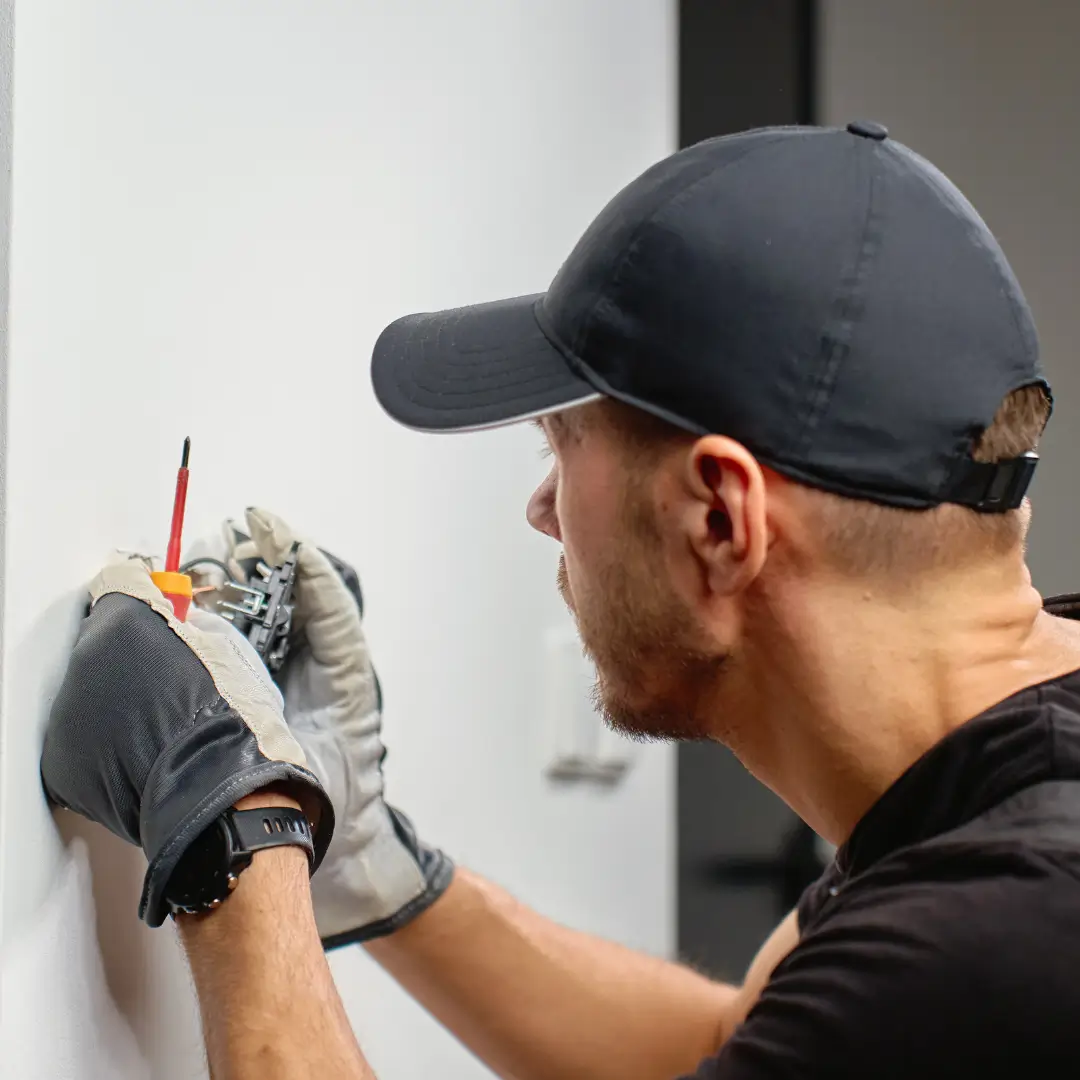
Key Takeaways
Common Electrical Issues in commercial properties can disrupt operations, increase fire risk, and create costly compliance problems. Understanding Common Electrical Issues allows property owners and managers to prevent downtime, maintain safety, and ensure regulatory compliance. This guide explores the most frequent Common Electrical Issues affecting Ontario businesses and how to address them proactively.
Commercial properties face unique electrical challenges that demand proactive solutions for safe, reliable, and compliant operations. By understanding common issues and prioritizing expert maintenance, owners and managers can protect their investment, reduce downtime, and ensure uninterrupted business growth. Here are the essential insights you need to keep your commercial space powered the right way:
- Invest in code-compliant electrical infrastructure to ensure uninterrupted operations and long-term safety, minimizing risks of outages that can impact every tenant and cost thousands.
- Regular licensed inspections prevent 80% of electrical fires—book annual or biennial checkups and use thermal imaging to catch hot spots before they escalate.
- Address aging wiring and outdated panels quickly; properties over 25 years old face increased hazards and code violations without timely upgrades.
- Surge protection and load monitoring are must-haves for commercial sites—one unprotected surge can cause equipment damage and productivity losses exceeding $10,000.
- Upgrade to LED lighting and smart controls to reduce lighting costs by up to 50–60%, boost workplace efficiency, and meet energy standards.
- Implement modern safety tech—GFCIs, AFCIs, and energy management systems—to not just comply, but also future-proof your facility for evolving code and increased demands.
- Partner only with licensed and insured electricians; unlicensed work leads to code failures, insurance complications, and avoidable downtime.
- Proactive planning and compliance protect insurance, reduce fire risk, and support smooth audits—missing routine checks can mean lost coverage and costly claims.
Stay ahead of electrical issues with expert inspections, immediate upgrades, and real-time monitoring—read the full article for actionable steps that safeguard your team, your property, and your bottom line.
Introduction
Picture a bustling Ontario business where everything hinges on reliable power—yet a single panel failure can silence operations for hours, threatening thousands in lost revenue.
If you’re responsible for a commercial property, you know unexpected electrical problems aren’t just frustrating—they’re expensive, disruptive, and can even put safety on the line.
Here’s the real shocker: studies show commercial sites face a 30% higher risk of costly downtime than residential spaces because of complex infrastructure and evolving equipment demands.
Why does this matter now? As businesses grow and tech needs accelerate, your building’s electrical system faces more strain than ever. Ignoring warning signs—like flickering lights, tripping breakers, or aging panels—can mean:
- Unplanned outages that halt productivity
- Accelerated wear on high-value equipment
- Non-compliance with Ontario’s strict safety codes
- Steep insurance costs and legal liability
This isn’t just about fixing a loose outlet or resetting a breaker. It’s about spotting the hidden issues—from overloaded circuits to outdated wiring—that threaten business continuity and staff safety every day.
In this guide, you’ll discover:
- The most common electrical issues plaguing Ontario’s commercial properties
- What causes these breakdowns (and how to recognize early warning signals)
- Actionable, code-compliant solutions trusted by top property managers
- How licensed professionals safeguard your building, your business, and your reputation
Whether you’re a property manager, contractor, or business owner, understanding these core risks is the first step to protecting your space, your team, and your bottom line.
Step behind the scenes with our licensed experts as we unpack what keeps commercial electrical systems running—and what puts them at risk.
Understanding Electrical Infrastructure in Commercial Properties
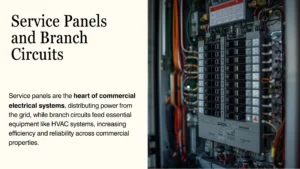
Commercial buildings don’t just use more power—they need specialized electrical systems built for reliability, scalability, and constant use. One malfunction in a main service panel can disrupt operations for dozens of tenants or halt business for hours.
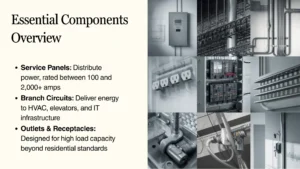
Key Components of Commercial Electrical Systems
Every commercial property relies on a series of essential components working in sync:
- Service panels: Supply and distribute electricity from the grid; commonly rated from 100 up to 2,000+ amps
- Branch circuits: Feed power to dedicated equipment such as HVAC, elevators, and IT infrastructure
- Outlets and receptacles: Designed for higher load—the difference is more than just a bigger plug
- Emergency systems: Generators, battery backups, and exit lighting for safety compliance
- Dedicated equipment feeds: Separate runs for energy-intensive gear like commercial kitchen ranges and server racks
This structure means more outlets, circuits, and redundancy than you’ll ever find in a home.
Commercial vs. Residential Wiring: What Sets Them Apart
Picture this: residential wiring typically uses single-phase power—but commercial sites use three-phase for efficiency and to power heavy machinery.
Key differences include:
- Wiring size and material: Commercial properties require thicker, industrial-grade cabling
- Load capacity: Circuits and panels are built for sustained, intensive use
- Code requirements: Commercial wiring must meet more stringent Ontario electrical codes, with added requirements for GFCIs, AFCIs, and surge protection
According to the ESA, commercial systems also face 30% higher risk of costly downtime due to higher equipment density.
Planning, Compliance, and the Role of Licensed Electricians
Getting commercial power right is more than plugging into the grid.
- Licensed electricians are trained to design systems with future scalability, so your space won’t max out as your business grows
- Ongoing compliance is non-negotiable: Ontario’s code evolves, and upgrades may be mandatory during renovations or equipment changes
- Early, proactive planning saves thousands in retrofits, prevents code violations, and shields businesses from surprise outages
A faulty or undersized system can mean lost revenue and higher insurance costs—not a risk any business owner should take.
Picture a bustling retail plaza: if the main panel fails, a single outage could impact every tenant in the building. Proper design and compliance ensure everything runs safely, now and years down the road.
The essential takeaway: Invest in code-compliant, professionally designed infrastructure from day one. For every Ontario business, it’s the surest way to power growth—and peace of mind—without costly interruptions.
Most Common Electrical Issues in Commercial Properties
Power Surges and Quality Fluctuations
When a power surge hits a commercial site, it can instantly damage sensitive equipment—think computer servers or production machinery.
Typical culprits include:
- Sudden equipment cycling
- Utility grid disturbances
- Lightning strikes
- Old, faulty wiring
The fallout? System malfunctions, costly repairs, and lost productivity.
To prevent this, savvy property managers:
- Install surge protection at panels
- Conduct routine voltage monitoring
- Upgrade aging wiring to handle today’s loads
As one pro shares, “One surge can wipe out $10,000 of electronics—protect your systems every year.”
—
Circuit Overloads and Tripping Breakers
Too many appliances running at once? Breakers trip for a reason: to stop wires from overheating.
Look out for:
- Flickering lights
- Breakers that trip daily
- Equipment that powers down in the middle of the workday
Smart solutions include:
- Load analysis by a licensed electrician
- Upgrading panels (100–2000+ amps)
- Redistributing heavy-load devices or adding more circuits
Remember: “Avoid downtime—know your panel’s limits before adding new gear.”
—
Faulty or Outdated Wiring
Aging wiring leads to hidden hazards, especially in commercial sites older than 25 years.
Key warning signs:
- Burned smells or outlets
- History of quick, unlicensed fixes
Protect your team and property by:
- Booking wiring inspections regularly
- Rewiring problem areas first
- Focusing on zones with high fire risk
“Don’t let DIY fixes leave you in the dark—always call a licensed professional.”
—
Lighting System Issues
Flickering, dim lights or burning out bulbs can kill efficiency and employee morale.
Common causes:
- Loose or corroded wire connections
- Old, unstable fixtures or ballasts
Fix it fast:
- Retrofit with LED lighting for longer life
- Resolve voltage problems at the panel
- Repair or replace failing fixtures
“Upgrading to LEDs often cuts lighting energy costs by 50% or more.”
—
Poor Connections and Electrical Joint Failures
Loose or corroded joints cause:
- Unexplained outages
- Increased risk of electrical fires
Best practices:
- Regular maintenance visits
- Thermal imaging to spot hot spots
- Immediate replacement of risky connectors
A quick-go visual: “Technician scans the breaker with a thermal camera—orange glow means repairs needed.”
—
Outdated or Inadequate Panels and Outlets
Signs of trouble:
- Panels feel warm to the touch
- Outlets lack required GFCI/AFCI protection
- Circuits are frequently overloaded
Upgrade strategies:
- Replace undersized panels for code compliance
- Install advanced safety devices
- Plan circuits for future technology demands
Pro insight: “Yearly panel checks are a non-negotiable for insurance and safety.”
—
Dead Outlets and Intermittent Supply
Dead outlets often mean bigger issues—overloaded circuits or wiring faults.
Immediate fixes:
- Trace the source of overloads
- Replace damaged outlets with properly rated units
- Adjust circuit layouts to prevent recurrence
“Spotting dead outlets? It could be a sign of major system stress.”
—
Electrical Shocks & Improper Grounding
Improper grounding is a hidden shock hazard, especially in kitchens, wet areas, or shops.
Risk indicators:
- Tingles or “zaps” when plugging in devices
- Exposed or damaged wires
Protect staff by:
- Installing GFCI outlets
- Scheduling regular safety checks
- Repairing exposed wiring immediately
“One ungrounded appliance can put an entire staff at risk—inspect yearly.”
—
High Energy Consumption and Cost Control
High bills often track back to outdated lighting or old motors running non-stop.
Slashing usage starts with:
- Installing an energy management system
- Retrofitting with LEDs and smart sensors
- Leveraging Ontario’s energy efficiency rebates
“Smart upgrades yield savings that pay for themselves—and improve compliance.”
—
Combating these common electrical issues means combining regular, licensed inspections with targeted upgrades and proactive maintenance. Quick action safeguards your team, meets Ontario code, and keeps your business powered—without interruption.
Causes and Consequences: Why Do These Issues Happen?
Aging Infrastructure in Ontario’s Commercial Properties
Picture this: a downtown Toronto office tower with wiring dating back to the early 1980s. The average electrical system lifespan in commercial buildings is 25-40 years, but many sites stretch well past that, risking safety and performance.
In Ontario, it’s common to find:
- Aging wires and panels becoming brittle or corroded
- Old repairs using outdated materials, now unsafe
- Skipped inspections—critical checkups forgotten or deferred
These factors raise the odds of electrical fires, outages, or expensive emergency repairs. A missed inspection can mean a small wiring issue grows into a full outage, impacting dozens of tenants at once.
Overloads from Modern Equipment Demands
Today’s properties pull far more power than in previous decades. Think of open-concept offices packed with laptops, server rooms, and high-draw appliances where, 20 years ago, a desktop or two might have sufficed.
Key drivers of overload now include:
- More equipment per circuit, beyond the original design
- Space reconfigurations by new tenants, ignoring electrical load limits
Breakers trip and circuits run hot—sometimes unexpectedly—leaving workers in the dark or equipment out of commission.
Poor or Deferred Maintenance
Neglecting a routine electrical inspection is like skipping an oil change: it works until it doesn’t—then repairs get expensive.
Major pitfalls include:
- Deferred or missed annual inspections
- Discovery of advanced issues only after a system failure or near-miss incident
- DIY repairs that bypass code, creating hazards
Early intervention—like spotting a hot breaker during an annual check—can prevent what would otherwise be a costly, disruptive emergency repair.
Non-compliance and Outdated Standards
Ontario’s electrical code evolves—recent updates mandate GFCI/AFCI protection, improved load calculations, and safer materials.
Consequences for ignoring code include:
- Hefty fines and insurance complications
- Extended downtime for repairs and inspections
- Lost tenant confidence or legal liability
A property left behind by the code risks failing audits and facing higher premiums.
Environmental and Usage Factors
Commercial buildings face unique environmental stressors you can’t ignore.
Consider:
- Moisture and condensation in kitchens or basements
- High vibration in gyms or mechanical rooms
- Chemical or dust exposure in industrial settings
- Seasonal surges—holiday retail, summer HVAC, big events—that spike loads unpredictably
Each factor wears on the system, pushing circuits and components to their limits.
Solid maintenance catches small problems before they cascade—it’s cheaper to inspect than to rebuild after a failure.
Proactive property managers know: “What you can’t see can still cost you.” Staying ahead of infrastructure age, loads, and changing standards is the most reliable way to power commercial Ontario safely and efficiently.
Solutions for Commercial Electrical Issues
Proactive Maintenance and Inspection Protocols
Preventing downtime starts with a regular inspection schedule. In Ontario, commercial properties should plan for:
- Annual electrical inspections for newer buildings
- Every 3–5 years for aging or high-use properties
Comprehensive checkups cover:
- Main and sub panels
- Outlets and switches
- Surge protection devices
- Emergency systems
A licensed electrician uses thermal imaging to spot unseen hot spots that cause 80% of electrical fires—data that transforms your next maintenance plan.
“Picture this: your facility runs smoothly, no surprise shutdowns, because a thermal scan detected a failing breaker before it spiraled into a costly outage.”
Upgrading Core Electrical Infrastructure
Outdated infrastructure is a silent risk. Signs that it’s time for upgrades include:
- Frequent breaker trips
- Warm panel covers
- Inability to support new tech installations
Upgrading brings:
- Enhanced code compliance
- Measurable energy reduction (up to 40% with LED/conductor upgrades)
- Lower insurance premiums and downtime
A streamlined process includes:
- Licensed assessment
- Budget planning
- Phased, minimally disruptive replacements
Transition your workspace with upgrades that pay for themselves in both safety and savings.
Implementing Modern Safety Technologies
Modern safety isn’t just about code—it’s about future-proofing. Top solutions for 2025 include:
- GFCI/AFCI for high-risk zones (kitchens, workshops, outdoors)
- Building-wide surge protectors
- Energy management systems and smart sensors
- Automated lighting and HVAC tied to occupancy
Investing $1 now in preventative tech avoids $10–$50 in repairs and lost productivity.
“Imagine real-time alerts if voltage drops, before it costs a workday’s profit—smart systems put control back in your hands.”
Employee Training and Safe Usage Policies
Human error drives electrical risk. Reduce hazards and downtime by:
- Posting clear guidelines against outlet overloading
- Scheduling routine power-downs for deep inspections
- Having a rapid incident reporting process
Train all staff to spot warning signs—flickering lights, tripped breakers—so fixes happen fast.
Selecting and Working With Licensed Electrical Professionals
DIY repairs or unlicensed work causes most code violations and insurance issues. Always seek:
- Valid ESA license and current certifications
- Proven review and safety track record
- Partnership approach—ongoing checkups, not just break-fix
A trusted pro turns compliance into a “set-it-and-forget-it” part of your business, so you focus on growth, not repairs.
Reliable, compliant electrical systems create workplaces that thrive—get proactive, upgrade smartly, and partner with the licensed experts Ontario trusts.
Risk Mitigation, Compliance, and Long-Term Strategy
Staying Ahead: Regulatory Compliance in Ontario
Ontario’s commercial property owners face a changing landscape of safety codes and compliance. Updates from the Electrical Safety Authority (ESA), Canadian Standards Association (CSA), and National Electrical Code (NEC) impact how systems are installed and maintained.
Routine inspections are not just best practice—they’re a regulatory must. You’ll encounter:
- Annual or biennial routine inspections (especially for older or complex sites)
- Post-incident reviews following any electrical event
- Insurance-driven inspections to keep policies valid and rates manageable
Clear and accurate documentation is essential for every step:
- Tracking inspection schedules and findings
- Recording all repairs, replacements, and upgrades
- Retaining ESA certificates and compliance records
“Missing a single compliance step can mean costly downtime—and avoidable liability.”
Insurance, Fire Safety, and the Cost of Overlooking Codes
Unresolved electrical issues can lead to denied insurance claims and premium hikes. Insurers often require documented use of:
- Smoke and CO detectors
- Fire alarms and evacuation systems
- Backup power solutions like emergency lighting and generators
Properties without up-to-date safety systems risk higher premiums—or even losing coverage after an incident. Picture this: an insurance claim slowed by a missing inspection log or GFCI outlet. Avoid these gaps with professional oversight.
Forward-Focused: Efficiency, Planning, and Upgrades
Ontario businesses must plan for energy benchmarks and future technology. Focus on:
- LED and smart sensor retrofits for immediate efficiency gains
- Infrastructure upgrades to support EV charging or solar integration
- Regular review of rebates and incentive programs to lower investment costs
A phased upgrade approach minimizes disruption and maximizes return.
“A single LED upgrade can drop lighting costs by up to 60% in a busy workspace.”
Ensuring Continuity: Reducing Downtime and Maintaining Operations
Business continuity depends on smart contingency planning, including:
- Installing backup generators and critical load prioritization systems
- Employing power quality monitoring for early detection
- Creating and practicing clearly communicated outage response protocols
Scheduled maintenance always beats surprise shutdowns—both for your team and your bottom line.
Practical Proof: Ontario Business Success Stories
Local businesses that invested in regular inspections and targeted upgrades have seen:
- Reduced electrical downtime by 30–50% within a year
- Utility cost savings exceeding $10,000 annually in larger operations
- Enhanced safety inspection scores, sometimes moving from “conditional” to “pass” in a single cycle
Clients consistently report smoother audits and fewer unexpected equipment failures.
Proactive, code-compliant strategies drive safety, cost control, and peace of mind—today and well into the future. When you choose licensed, expert care, you’re investing in reliability that powers your business the right way.
Frequently Asked Questions
1. What are the most common electrical issues in commercial buildings?
The most frequent Common Electrical Issues include overloaded circuits, outdated panels, faulty wiring, power surges, and non-compliant installations. These problems often arise due to aging infrastructure or increased electrical demand from modern equipment.
2. How can I prevent common electrical issues in my property?
Preventing Common Electrical Issues starts with annual licensed inspections, thermal imaging scans, panel upgrades, and surge protection installation. Proactive maintenance significantly reduces fire risk and unexpected downtime.
3. Are common electrical issues covered by commercial insurance?
Coverage depends on your policy. Some Common Electrical Issues caused by neglect or lack of maintenance may not be covered. Insurers often require proof of routine inspections and code compliance.
4. How often should commercial properties be inspected for electrical issues?
To minimize Common Electrical Issues, most experts recommend annual or biennial inspections, especially for properties over 25 years old or those with high electrical loads.
5. Why are common electrical issues more frequent in commercial buildings?
Commercial properties use higher load capacities, three-phase systems, and complex infrastructure. These factors increase strain on wiring and panels, making Common Electrical Issues more likely without proactive monitoring and upgrades.
Conclusion
Protecting your commercial property starts with making safety, reliability, and compliance a non-negotiable part of your operations. Investing attention now means fewer headaches, less downtime, and steady power for every tenant, customer, or employee relying on your business each day.
You’re already a step ahead by recognizing the risks and common failures unique to Ontario’s commercial electrical systems. Don’t let small oversights turn into costly surprises—choose to be proactive and power your business the right way.
—
Actionable Takeaways:
- Schedule a licensed electrical inspection this quarter—catch and prevent issues before they escalate
- Upgrade outdated panels, wiring, and safety devices to align with current Ontario codes and support future tech needs
- Implement surge protection and regular load analysis to guard critical equipment and avoid disruptive outages
- Train your staff to spot warning signs early—flickering lights, tripping breakers, and warm panels aren’t just annoyances
- Keep digital records of all compliance checks and maintenance for smoother insurance and audit processes
—
Next Steps:
- Contact a trusted, fully licensed electrician to audit your building’s systems and recommend targeted upgrades
- Develop a maintenance and inspection calendar, posting reminders for both annual and quarterly checks
- Share safety expectations and basic troubleshooting steps with every staff member—turn awareness into your first line of defense
—
Stay empowered: When you prioritize code compliance and expert care, you guarantee more than continuous power—you create a safer, more efficient, and future-ready environment for your whole team.
Great electrical systems don’t just meet today’s needs—they open the door for tomorrow’s opportunity. Power your business with confidence, and Ontario will keep running strong right alongside you.

Written by Roozbeh Nahreini
Roozbeh Nahreini is the founder and owner of Padi Electric Inc., an ESA-certified electrical contractor serving Aurora and the Greater Toronto Area. With 10+ years of hands-on electrical expertise and a team combining 50+ years of field experience, Roozbeh specializes in residential and commercial electrical solutions—from panel upgrades and EV charger installation to smart home integration and advanced diagnostics. His commitment to transparent pricing, code-compliant workmanship, and 24/7 emergency response has established Padi Electric as a trusted neighborhood contractor across Aurora, Richmond Hill, Newmarket, Vaughan, and the GTA.