
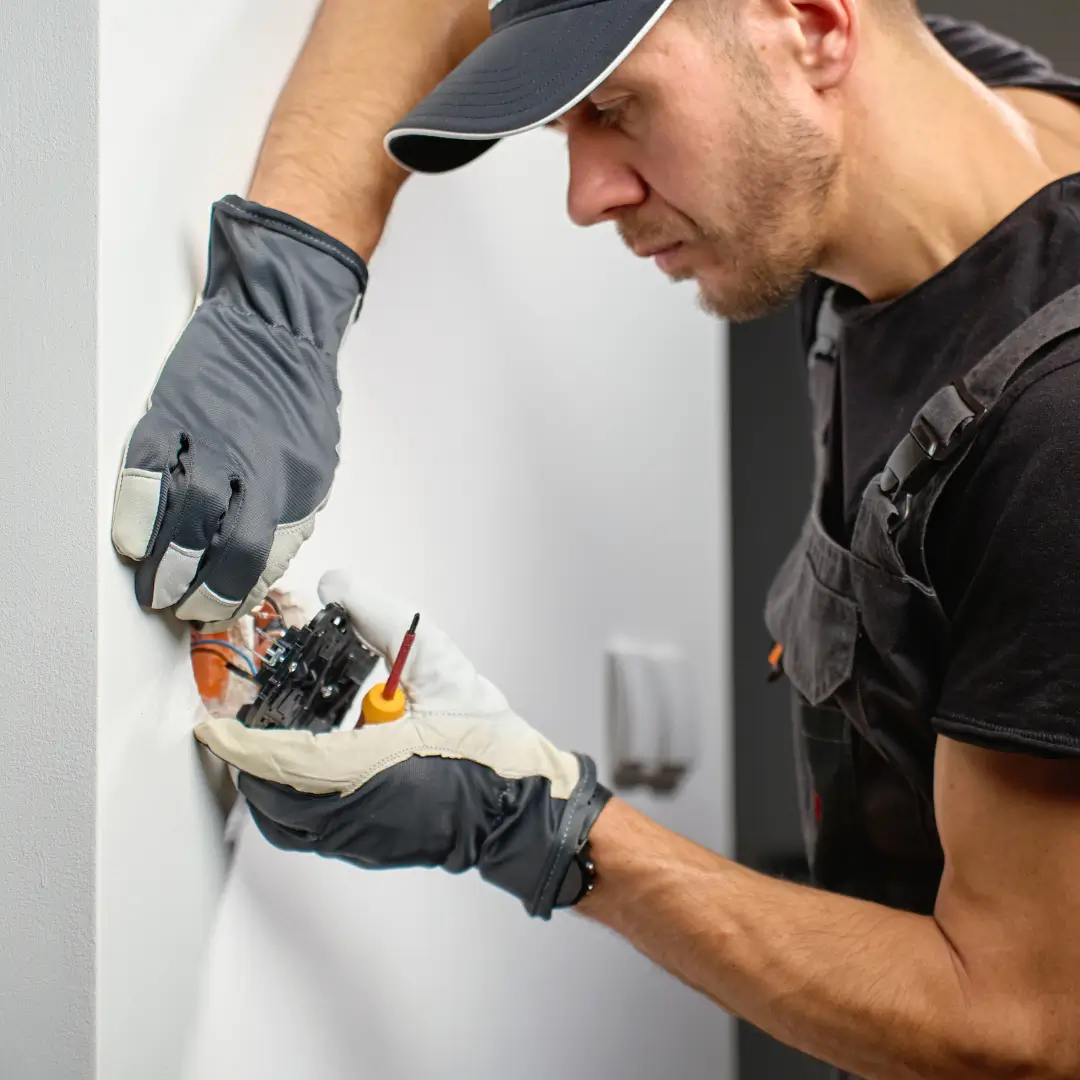
Inspections for Commercial Properties are essential for maintaining safety, compliance, and operational efficiency in Ontario. By prioritizing Inspections for Commercial Properties, property managers can prevent downtime, reduce risks, and protect long-term investments while demonstrating professionalism and accountability.
- Proactive maintenance prevents costly outages by identifying issues early, cutting unplanned shutdowns by up to 30% and protecting your bottom line.
- Regular inspections ensure compliance with Ontario Electrical Safety Code, safeguarding against fines, insurance claim denials, and reputational harm.
- A clear, structured maintenance schedule—from daily visual checks to annual licensed reviews—keeps your system reliable and supports audit-ready documentation.
- Digitize records and automate reminders using property management software for instant access to inspection logs and faster response to hazards.
- Budget 1-3% of operating costs for routine care, focusing on preventative measures that consistently save $3–$5 for every $1 spent versus emergency repairs.
- Assign clear safety roles and provide regular staff training to turn compliance from an obligation into a competitive advantage—engaged teams mean fewer risks and claims.
- Prioritize energy-efficient upgrades like LED retrofits; these can slash ongoing electrical costs by up to 30% while boosting property value and sustainability points.
- Integrate safety, quality, and transparency in all maintenance tasks—from keeping detailed, photo-backed logs to communicating results openly with tenants and owners.
Investing in routine electrical maintenance is more than a checklist—it’s your frontline defense for safety, compliance, and long-term property value. Read the full article to build a practical maintenance strategy that powers Ontario, the right way.
Introduction
Imagine a packed office tower suddenly plunged into darkness—operations grind to a halt, phones ring unanswered, safety systems flicker offline. For Ontario property managers, one missed inspection or an overlooked maintenance check can turn a routine day into a high-stress emergency, costing thousands in repairs and lost business.
Routine electrical maintenance isn’t just a good practice—it’s your defense against costly disruption, legal headaches, and frustrated tenants. In fact, properties that stick to planned service schedules experience up to 30% fewer unplanned shutdowns, giving them a clear edge in uptime and tenant satisfaction.
But effective maintenance is about more than compliance. It’s about protecting your investment and reputation, ensuring your building runs smoothly, and demonstrating a proactive commitment to safety and professionalism. That’s especially crucial in Ontario, where strict electrical safety codes set the bar high for commercial operations.
Here’s how smart property managers across the province turn maintenance into a strategic advantage:
- Reduced downtime with predictable, well-timed interventions
- Lower insurance costs and claim success thanks to thorough documentation
- Comprehensive risk management—catching small issues before they escalate
Partnering only with licensed professionals, documenting every inspection, and keeping tenants in the loop becomes not just policy, but proof of real accountability.
This introduction arms you with actionable insights and proven practices for:
- Building a robust, code-compliant maintenance and inspection routine
- Safeguarding your property—and your bottom line—from preventable surprises
- Fostering a culture of safety, transparency, and trust at every level
Behind every reliable Ontario business is an electrical system cared for with precision and pride. Up next: discover the essential role routine maintenance and inspections play in powering uninterrupted success.
The Role of Routine Maintenance and Inspections in Commercial Electrical Systems
Proactive maintenance is the backbone of electrical reliability for commercial properties.
A single missed inspection can mean the difference between uninterrupted business and costly, high-stress downtime.
In Ontario, commercial property owners are legally required to follow strict electrical safety codes, making regular inspections both a compliance issue and a business imperative.
Why Routine Maintenance Matters
Electrical systems face heavy daily use and seasonal stresses, especially in bustling environments like offices, retail centers, or warehouses.
Picture this: an overloaded commercial breaker panel during a summer heat wave—without regular checks, a small connection fault can spark a blackout, halting operations and risking safety.
Ignoring routine care can lead to:
- Increased downtime and disruption
- Emergency repairs with higher costs
- Fines and insurance claim denials due to non-compliance
- Reputational damage if clients or tenants are affected
“A dollar spent on planned maintenance today can save thousands in emergency repairs down the road.”
Maintenance as Asset Protection
Smart electrical maintenance extends the life of costly infrastructure and protects everyone in your building.
Routine inspections help:
- Detect early warning signs—like panel corrosion or loose wiring—before they escalate
- Reduce liability by ensuring tenant and occupant safety
- Keep property values high and insurance rates manageable
According to industry benchmarks, properties that stick to annual reviews of core systems (HVAC, electrical, fire safety) see up to 30% fewer unplanned shutdowns—a fact insurance providers are watching closely.
Embedding Brand Values in Every Step
Every inspection is an opportunity to demonstrate safety, accountability, and quality.
- Assigning only licensed professionals ensures compliance and trust
- Keeping transparent maintenance logs adds a layer of protection during audits or insurance events
- Regular communication with tenants builds confidence and helps prevent avoidable hazards
“Safe workplaces start with reliable systems—clean, orderly panels and timely repairs are signs of a brand you can rely on.”
Immediate Actions for Ontario Property Owners
- Schedule regular electrical inspections aligned with your building’s usage and seasonal patterns
- Document all findings and repairs to meet code and insurance demands
- Choose vendors who emphasize compliance, clear reporting, and open communication
Investing in routine electrical maintenance isn’t just about code—it’s about ensuring your building stays powered, safe, and trusted every single day.
Building a Comprehensive Electrical Maintenance Schedule
Creating a thorough electrical maintenance schedule is vital for every commercial property aiming for safe, uninterrupted operations.
A well-structured plan minimizes costly downtime and supports compliance with Ontario’s electrical safety codes—a must for every business in our province.
Picture this: one overlooked breaker box can mean hours of lost productivity and serious liability.
Key Elements of a Maintenance Schedule
To cover all bases, a robust schedule should always include:
- Daily/Weekly visual checks: Quick spot checks for signs of wear, overheating, or exposed wiring.
- Monthly system tests: Outlets, GFCIs, and lighting tested for functionality and code compliance.
- Quarterly inspections: Electrical panels opened and reviewed for corrosion, loose wires, and proper labeling.
- Annual comprehensive reviews: Licensed electricians perform deep-dive inspections; review warranties and update all regulatory logs.
“Document everything—logs, permits, warranties, and inspection photos are your best friends when audits or insurance claims come knocking.”
Tailoring Schedules to Your Property Type
No two properties require the same routine.
- Offices: Focus on plugs, surge protection, and efficient lighting, especially before major project launches.
- Retail: Regular lighting surveys and safe display power.
- Industrial: Include heavy equipment checks and power distribution reviews every quarter.
- Mixed-use: Coordinate electrical reviews with HVAC, elevators, and emergency systems for all-in-one compliance.
Best practice: Time major inspections before seasonal peaks or holidays—when systems face the most stress.
Proactive Scheduling and Resource Allocation
Staying ahead means:
- Using property management software to automate both reminders and reporting.
- Scheduling after-hours or holiday inspections to avoid disruption.
- Delegating general checks to trained in-house staff, but always hiring licensed electricians for technical tasks or compliance reviews.
- Budgeting 1-2% of total property operating costs annually for routine care—saving you from emergency repair sticker shock later.
“A proactive dollar on maintenance saves five in emergency repair—schedule smart, spend smarter.”
Every property manager can start strong with three essentials: a calendar, clear task lists, and commitment to professional, compliant service.
An effective maintenance schedule doesn’t just keep the lights on—it powers peace of mind, preserves your investment, and ensures excellence is more than just a tagline.
Essentials of Inspections for Commercial Properties: A Commercial Electrical Inspection Checklist
A reliable commercial electrical inspection checklist is your first line of defense against outages, costly repairs, and code violations.
Standard checklists—such as ASTM E2018 or InterNACHI’s ComSOP—provide the foundation, but in Ontario, every item must align with current provincial codes and safety standards.
A thorough checklist not only secures compliance; it keeps tenants safe, extends equipment lifespan, and often lowers insurance costs.
Electrical Panels and Distribution
Picture this: A licensed electrician opens your commercial panel, searching for red flags that can jeopardize your entire building.
Critical inspection points include:
- Signs of corrosion on panels or breakers
- Proper load balancing to avoid overload
- Tight, intact wiring—no loose or frayed conductors
- Evidence of overheating: discoloration, melted insulation, or burning smells
- Accurate labeling (as per code) and modern, safe equipment
Neglecting panel maintenance is like driving on bald tires—risk grows with every day deferred.
Power Outlets, Switches, and Lighting
Every outlet, switch, and fixture is a potential hazard if not routinely checked.
Key items to inspect:
- Worn or loose outlets/switches and missing faceplates
- Devices with burned, charred, or hot surfaces
- Proper GFCI/AFCI protection in wet or high-traffic locations
- Lighting: coverage, reliability, and energy efficiency (LED upgrades can lower costs by up to 50%)
A single missed outlet can lead to electrical shock—safety is always in the details.
Specialized Equipment and Safety Devices
Specialized life-safety systems demand a closer look during inspections.
Essential areas:
- Fire alarms: sirens and notifications tested
- Surge protection for critical equipment
- Emergency lighting and illuminated exit signs—vital for safe evacuations
- Reliable backup power: test generators and UPS batteries
Regular checks ensure these safeguards actually protect people when needed.
Documentation and Photographic Evidence
Clear records are your shield against liability and compliance lapses.
Best practices include:
- Digital or physical logs of every inspection and repair
- Photographic evidence of deficiencies and completed work
- Backup copies for at least 5 years (to support regulatory and insurance requirements)
Pro tip: Software tools now make it easy to create, file, and retrieve these records instantly.
An effective electrical checklist protects property, keeps tenants happy, and demonstrates diligence to insurers and inspectors. Make it routine, make it thorough, and empower your team to spot issues before they become emergencies.
Ensuring Compliance: Ontario and National Electrical Safety Standards
Navigating Codes, Standards, and Legal Obligations
Every commercial property in Ontario must comply with the Ontario Electrical Safety Code (OESC), as well as CSA (Canadian Standards Association) requirements, fire codes, and municipal building regulations.
Failure to meet these standards isn’t just a paperwork issue—it exposes your business to fines, costly remediation, reputational damage, and even insurance cancellation.
Key compliance obligations include:
- Obtaining and keeping up-to-date permits for all major electrical work
- Documenting every inspection and repair in clear, organized records
- Maintaining detailed logs for warranties, upgrades, and completed permits
When you picture a “blue folder” with every service call and receipt, you’re seeing what most inspectors expect—a thorough, accessible compliance trail.
“Strong documentation is your first line of defence in any audit or insurance claim.”
Real-World Compliance: What’s Required and Why It Matters
Inspections and record-keeping are non-negotiable:
- Provincial law requires annual, quarterly, and special-event electrical inspections in many commercial facilities
- Insurers frequently demand proof of code-compliant maintenance for continued coverage
- Updating checklists to reflect recent changes—like new energy efficiency codes or fire alarm standards—can mean the difference between passing and failing inspections
“A breach in compliance isn’t just a fine—it can halt operations, void your warranty, and put your tenants at risk.”
Integrating Health, Safety, and Accessibility
Your electrical compliance doesn’t stop at wires and panels.
To meet the full spectrum of regulations, commercial properties must:
- Ensure life-safety systems—fire alarms, sprinklers, exit lighting—function and are tested regularly
- Maintain clear, illuminated emergency exits and accessible routes that comply with accessibility laws
- Use green-certified lighting and equipment to meet environmental requirements and lower utility costs
- Coordinate electrical maintenance with HVAC, elevators, and plumbing schedules for true whole-building safety
Picture walkthroughs: a technician verifies every exit is marked and emergency lights work, while another checks all panel doors are clearly labeled and secure.
Immediate Actions for Compliance Confidence
- Schedule a code-specific electrical inspection every 12 months—more often for critical-use or multi-tenant sites
- Digitize your maintenance, permit, and inspection logs for fast access
- Review your insurance policy: non-compliant properties may see claim denial or rate hikes of up to 20%
“Compliance is more than a box to check—it’s your shield against risk and your badge of professionalism.”
A reliable compliance process protects lives, property value, and business operations—all while making Ontario’s most trusted electrical team your go-to resource for safety and peace of mind.
Leveraging Technology for Maintenance and Inspections
Today’s property managers count on specialized software to keep commercial electrical systems running safely—and smoothly.
Digital tools do more than organize. They automate scheduling, send instant reminders for critical inspections, and log every repair for fast reference.
Maintenance software in Ontario’s commercial buildings offers key advantages:
- Automated reminders for inspections, routine tasks, and warranty expirations
- Customizable checklists following Ontario codes (so nothing slips through the cracks)
- Digital records for inspections, permits, and compliance—always available for audits or insurance
Picture this: A technician discovers a worn breaker panel during a routine check. Using their mobile portal, they upload a photo, generate a work order, and attach it to the property’s inspection history—no paper, no lag, no lost details.
Fast-Tracking Repairs and Tenant Concerns
Tenant and staff portals transform reporting. Instead of waiting days, they:
- Submit repair requests (with photos) directly from their mobile device
- Track status updates and get real-time notifications as issues are addressed
- Access tip sheets and safety reminders for their specific workplace
Faster communication isn’t only about satisfaction—it reduces downtime and keeps electrical hazards from escalating.
“Automated checklists and digital reporting cut emergency repairs by up to 30% in high-occupancy properties.” That’s a stat that’s hard to ignore.
Data-Driven Optimization and Continuous Improvement
Modern systems do more than react—they help teams get ahead of problems.
By aggregating inspection reports, software can:
- Reveal trends, like an uptick in breaker issues during summer peak loads
- Track lifecycle costs and predict when assets are nearing end-of-life
- Highlight opportunities for energy-efficiency upgrades, feeding right into capital planning
This means smarter budgeting—you see exactly where maintenance dollars go and can measure ROI for every upgrade.
“Every inspection leaves a digital footprint, fueling continuous improvement and smarter capital planning.”
Key Takeaway
The right property tech is more than convenience—it’s your frontline defense against unexpected outages, compliance gaps, and budget surprises. When every team member knows what needs attention—and when—they power a culture of reliability that Ontario tenants and owners can trust.
Cost Management and Budgeting for Electrical Maintenance
Smart budget planning is the backbone of reliable commercial property management. Routine electrical maintenance costs average 1-3% of a building’s total operating budget, but this can vary widely by property type and system complexity.
Picture this: a 50,000 sq. ft. office may spend $4,000–$12,000/year on routine electrical upkeep—far less than a single emergency outage.
Benchmarking and Budget Breakdown
Start by benchmarking costs by property type:
- Offices: $0.10–$0.24 per sq. ft. annually for standard maintenance
- Retail spaces: Typically see costs 20% higher due to lighting and signage
- Industrial: Highest costs, with custom systems and larger loads
Run annual reviews to track spikes or outliers.
Prevention vs. Emergencies: Where to Invest
Allocating your budget toward preventative maintenance is a proven cost-saver. Every $1 invested in prevention can save $3–$5 in emergency repairs, according to national property management data.
Build your budget around:
- Planned inspections (quarterly/annual)
- Regular safety device checks (fire alarms, emergency lights)
- Minor proactive repairs
When issues get deferred, repair bills escalate quickly—an emergency panel replacement can run $8,000–$15,000. “Skip a checklist, risk a shutdown” is a harsh but true maxim.
Outsourcing and Smart Resource Use
Know when to bring in licensed electricians or specialized contractors:
- Complex troubleshooting or system upgrades
- Code compliance reviews to avoid regulatory fines
- Warranty-sensitive repairs
Balance in-house teams with expert partnerships for long-term value.
Sustainability and Long-Term Value
Investing in energy-efficient upgrades—LED lighting, smart controls, advanced panels—not only drops maintenance frequency but can cut electrical costs by up to 30% per year.
Sustainable choices bring:
- Lower long-term operating costs
- LEED points and enhanced property value
- Better insurance terms and tenant appeal
Picture a retrofit: energy upgrades that pay for themselves in 3-5 years while reducing surprise breakdowns. “Green choices aren’t just good ethics—they’re great business,” is advice worth remembering.
A solid electrical maintenance budget balances prevention, expertise, and efficiency—directly boosting safety, cost savings, and the reputation of your property. Start by benchmarking, focus on proactive upgrades, and engage experts to unlock maximum value.
Building a Culture of Safety, Accountability, and Continuous Improvement
Building a strong safety culture in your commercial property starts with clear roles and responsibilities.
Assigning specific safety monitoring tasks to both property staff and tenants ensures nothing falls through the cracks.
- Staff responsibilities: regular walk-throughs, checklist completion, hazard reporting
- Tenant involvement: digital portals for issue reporting, reminders on electrical safety
- Management roles: oversight of compliance, review of maintenance activities
This shared approach transforms safety from checklist to habit.
Training, Education, and Leadership Commitment
Ongoing training helps in-house teams identify risks before they become expensive problems.
A staggering 74% of workplace incidents link back to a lack of preventive training.
- Offer annual workshops on new codes and technologies
- Provide short, frequent drills or safety refreshers
- Circulate bulletins with real-life examples of maintenance wins and near misses
When leaders champion proactive inspection and encourage staff feedback, everyone has a stake in safety.
Picture this: A property manager publicly shares maintenance scores monthly, motivating teams to reduce downtime and catch issues early—visibility breeds accountability.
Integrity, Quality, and Customer Focus in Practice
Successful Ontario businesses make integrity and transparency non-negotiable.
Here’s what sets them apart:
- Immediate response to tenant-reported hazards
- Systematic use of digital logs with timestamped photos
- Open communication of inspection results and follow-up timelines
Using property management apps for scheduling and reporting increases speed, accuracy, and documentation quality.
Real-World Examples and Proven Practices
Not all properties get it right—case in point: An Ontario business delaying a routine panel check faced a $25,000 outage.
By contrast, another site caught loose wires early, saving thousands and protecting their insurance coverage.
Best-performing properties integrate:
- Daily digital checklists
- Leadership-led safety meetings
- Public sharing of resolved safety reports
“When safety is everyone’s job, risk drops and reputation soars.”
A strong safety culture means fewer emergencies, better compliance, and tangible long-term savings.
The actionable takeaway: Assign clear safety roles, invest in regular training, and make safety visible throughout your team. Accountability and engagement transform maintenance from obligation to competitive advantage.
FAQ
Why are Inspections for Commercial Properties important?
Inspections for Commercial Properties identify risks before they escalate, prevent downtime, and ensure compliance with Ontario Electrical Safety Codes. Regular inspections protect tenants, property value, and insurance coverage.
How often should I schedule Inspections for Commercial Properties?
Routine Inspections for Commercial Properties should include daily visual checks, monthly in-depth evaluations, and annual licensed inspections. The schedule can be customized to building type, usage, and risk factors.
Who should perform Inspections for Commercial Properties?
Only licensed and insured electricians should perform Inspections for Commercial Properties. They ensure code compliance, document findings, and provide professional recommendations for maintenance and upgrades.
What are the benefits of digitizing inspection records?
Digitizing records enhances Inspections for Commercial Properties by allowing instant access to logs, automated reminders, and faster response to hazards. It also provides audit-ready documentation for insurance and regulatory compliance.
Can proactive Inspections for Commercial Properties reduce costs?
Yes. Proactive Inspections for Commercial Properties detect issues early, prevent emergency repairs, reduce downtime, and extend the life of electrical infrastructure. Every $1 spent on preventive maintenance can save $3–$5 in emergency costs.
Conclusion
Staying proactive with routine maintenance and electrical inspections cements your commercial property’s reputation—and keeps your business powered, safe, and cost-effective. Reliable electrical care is more than compliance; it’s a strategic investment in uptime, safety, and long-term value.
Every check, every repair, and every well-documented inspection not only protects your infrastructure but supports your accountability to tenants, staff, and your bottom line.
—
To amplify your building’s reliability and reduce risk, focus on:
- Prioritizing licensed electricians for complex compliance checks and technical repairs
- Digitizing your inspection and maintenance logs for easy access, audit-readiness, and seamless communication
- Scheduling preventative inspections before seasonal peaks to stay ahead of outages and claim denials
- Empowering your whole team—from property staff to tenants—to report hazards and participate in safety culture
- Investing in energy-efficient upgrades that pay off in both operating costs and tenant satisfaction
—
Here’s how you can take action starting today:
- Book a code-compliant inspection with a trusted, licensed contractor—even a quick assessment can reveal unseen risks
- Review your current log system; switch to a digital tracking tool if records aren’t at your fingertips
- Share safety protocols and checklists with every team member—make accountability a shared value
- Budget for preventative care, not just emergencies—protect your property and reputation from avoidable surprises
—
Safe buildings run on smart routines, not guesswork. When you invest in electrical maintenance and empower your team, you’re not just avoiding problems—you’re building a legacy of trust and excellence for everyone who walks through your doors.
Powering Ontario, the right way, starts with your next inspection.

Written by Roozbeh Nahreini
Roozbeh Nahreini is the founder and owner of Padi Electric Inc., an ESA-certified electrical contractor serving Aurora and the Greater Toronto Area. With 10+ years of hands-on electrical expertise and a team combining 50+ years of field experience, Roozbeh specializes in residential and commercial electrical solutions—from panel upgrades and EV charger installation to smart home integration and advanced diagnostics. His commitment to transparent pricing, code-compliant workmanship, and 24/7 emergency response has established Padi Electric as a trusted neighborhood contractor across Aurora, Richmond Hill, Newmarket, Vaughan, and the GTA.