
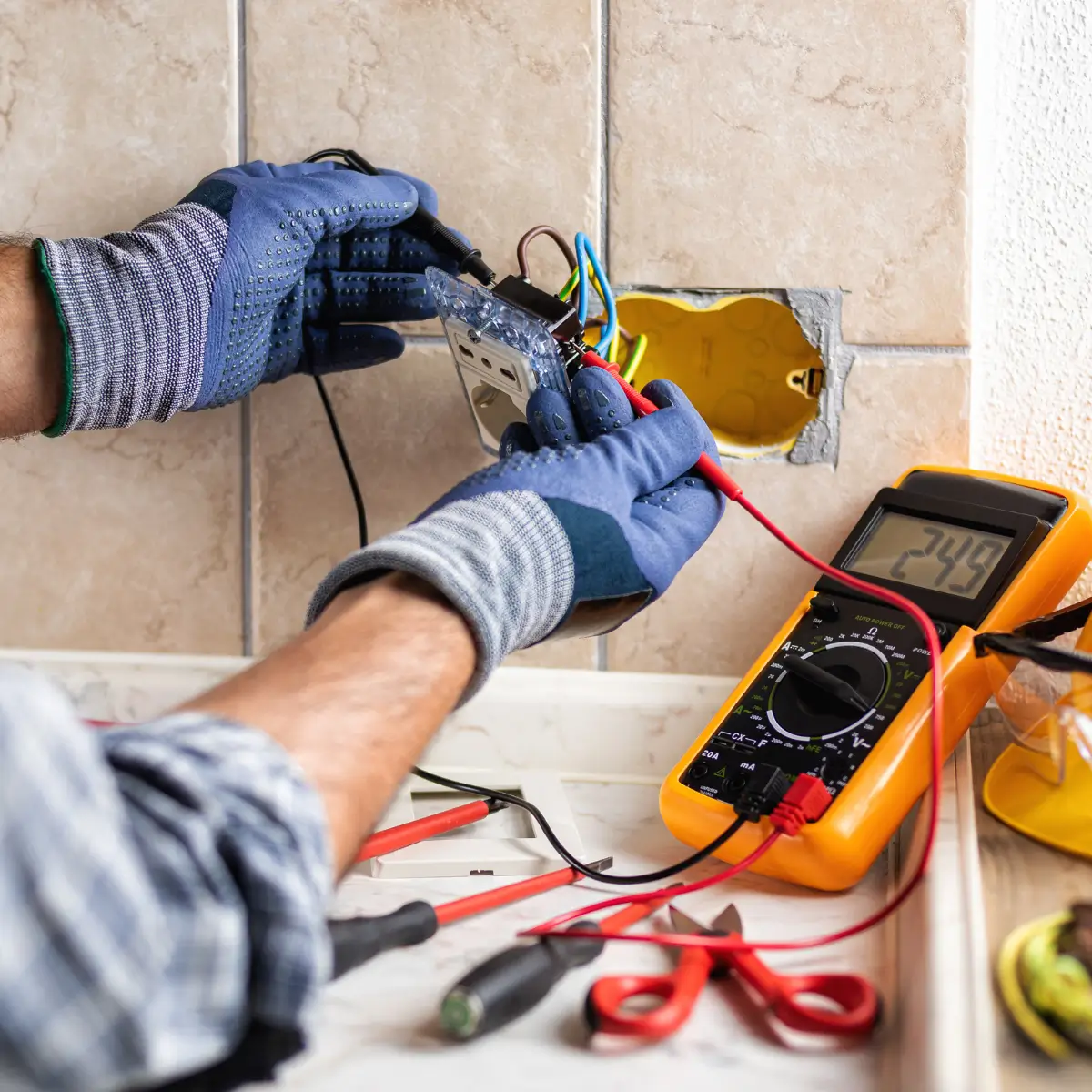
Key Takeaways
Residential Electrical Services Costs & Standards Guide provides essential, actionable insights for Ontario homeowners and property managers. Get ahead on electrical upgrades with this guide, which cuts through complexity to deliver safe, cost-effective, and future-ready residential electrical work in 2025.
- Ontario electrician rates are crystal clear for 2025—expect $50–$130/hour for standard work and $100–$200/hour for emergencies, with diagnostic visits starting at $100–$200.
- Project costs jump with age, urgency, and complexity—panel upgrades average $1,800–$4,500 while full-home rewiring ranges from $15,000–$30,000, especially in older Toronto homes.
- Always demand licensed, insured electricians for all major jobs—only licensed professionals protect your insurance, safety, and resale value under Ontario law.
- 2025 code updates require smart safety upgrades—GFCI/AFCI outlets, EV charger readiness, and smarter panels are now standard for new builds and major renovations.
- DIY electrical is tightly restricted—Homeowners may only swap fixtures, never perform wiring or upgrades, and must always obtain permits and inspections.
- Smart technology and efficiency drive real savings—upgrading to LED lighting can cut usage by 85% and preparing for EV charging protects your home’s future value.
- Transparent, itemized quotes prevent surprises—clarify inclusions upfront and avoid handshake deals so you always know your true cost.
- Choose pros who value clear communication and documentation—regular updates, inspection reports, and transparent pricing set Ontario’s safety benchmark.
Trusting licensed experts and embracing 2025 standards is the surest way to power your home safely, efficiently, and with real peace of mind—dive into the full guide for expert tips and project-ready checklists.
Introduction
Picture this: you call for a simple electrical fix, only to be handed a surprise bill—double your budget—for work you thought would be routine. You’re not alone. Each year, thousands of Ontario homeowners and property managers discover the hard way just how widely residential electrical service costs can vary—and how fast new standards can shift what’s required (and what’s not).
But in 2025, clarity is the new currency. Ontario now leads Canada with some of the strictest electrical safety codes and transparent pricing structures, meaning your dollars—and your peace of mind—go further when you know what to expect. No need to second-guess: you’ll see exactly where every dollar goes, and what’s essential for compliance, resale, and everyday safety.
Here’s what you’ll unlock in the pages ahead:
- Real data on electrician rates: Know the going rates before you book.
- Key factors that drive costs—from project complexity to your home’s age and region.
- The latest 2025 code requirements every homeowner, contractor, or manager should know before a single wire is replaced.
- Clear-cut advice for choosing a licensed pro who puts safety and integrity first.
Wondering how Toronto stacks up against Ottawa, or what that shiny new smart panel actually adds to your quote? Curious about which upgrades pay off—and which shortcuts aren’t just risky, but illegal? This guide equips you with answers that are as actionable as they are reliable.
Professionalism, clear communication, and a rigorous commitment to powering Ontario the right way run through everything you’ll find here. Whether you’re tackling a small repair or planning a major upgrade, you’ll gain the knowledge to protect your investment and avoid costly missteps.
Ready to make informed, confident electrical decisions? Let’s get you wired into the latest on costs, standards, and must-know upgrades for 2025 Ontario homes.
Understanding Residential Electrical Service Costs in 2025
Residential electrical service costs in Ontario and Canada have reached new clarity in 2025, with data-driven benchmarks that make budgeting simpler for homeowners and property managers.
The typical electrician hourly rate falls between $50–$130/hour for standard service, while emergency calls often command $100–$200/hour.
Most service calls or diagnostics incur a $100–$200 first-hour fee, and average small residential projects range from $163–$536—think minor troubleshooting or fixture replacements.
What Drives Project Costs in 2025?
A variety of factors will shape your final electrical bill:
- Home age: Older homes often demand upgrades for code compliance
- Project complexity: Full rewiring and panel upgrades cost more than installing a few outlets
- Urgency: After-hours or emergency calls carry a premium
- Region: Expect price variations between Toronto, Ottawa, and rural Ontario
Project scenario example: Upgrading an older Toronto home with a new 200-amp panel can cost $1,800–$4,500, while rewiring a standard 1,500 sq ft home could run $15,000–$30,000.
“Knowing your home’s age and electrical history could mean the difference between a quick fix and a major upgrade.”
Pricing Structures and Quick Reference Table
Professional electrical services often offer both hourly rates and fixed project quotes. Always ask what’s included upfront:
- Hourly rate: Good for troubleshooting, small fixes
- Flat project rate: Preferred for upgrades, full-room wiring, renovations
What’s typically included: labor, basic materials, travel;
What’s not included: specialty gear, extensive materials, permits, after-hours premiums
Electrician Hourly Rate: $50–$130 – Licensed professional; rates are higher for emergency or after-hours service.
Service Call (First Hour): $100–$200 – Includes travel and basic troubleshooting or diagnosis.
200-Amp Panel Upgrade: $1,800–$4,500 – Typically includes code-compliant smart panel installation.
Full Home Rewiring (1,500 sq ft): $15,000–$30,000 – Comprehensive upgrade ensuring safety, insurance compliance, and code adherence.
Troubleshooting & Small Repairs: $163–$536 – Minor fixes such as outlet replacement, switch installation, or short-circuit resolution.
“Transparency upfront saves everyone time and frustration—ask for a full breakdown from your electrician.”
Comparing Ontario’s Costs to National and Regional Standards
Costs aren’t static—Toronto, Ottawa, and rural Ontario each have their own averages:
- Toronto: Higher labor, older housing stock, more rigorous inspections—expect rates in the upper range
- Ottawa: Slightly lower costs, plentiful licensed electricians
- Rural areas: Extra travel fees, less competition, sometimes slower availability
Market trends, local code enforcement, and the age of homes can push prices above the national average—Ontario’s compliance standards are among the strictest in Canada.
Picture this: Two neighbors, one in Toronto, one in rural Perth, request the same panel upgrade. The Toronto job might include parking, expedited inspection fees, and older wiring remediation, while rural jobs may face added costs for travel and supply access.
The best way to keep costs predictable is to schedule non-urgent work, bundle small jobs, and always choose licensed, insured electricians.
Expect upfront transparency, consistent standards, and work that’s both safe and future-ready—that’s the Ontario standard powered by professionalism, not guesswork.
Residential Electrical Standards and 2025 Code Requirements
Ontario’s 2025 residential electrical standards set the bar for safety, compliance, and future-ready living.
Staying up-to-date with Canadian Electrical Code (CEC) updates isn’t just smart—it’s required for insurance and resale in Ontario.
Essential 2025 Code Changes Homeowners Must Know
Recent code revisions have quickly shifted project scope and expectations. Here’s what’s now required on most new or upgraded jobs:
- Expanded GFCI/AFCI: Nearly all outlets, kitchens, bathrooms, basements, garages, and exterior sockets must have GFCI (ground-fault) or AFCI (arc-fault) protection. Think of this as “full-house protection” against fire and shock hazards.
- EV Charger & Smart Panel Readiness: New builds and major upgrades must include wiring and panels prepared for electric vehicle charging, with smart panels for future tech.
- Improved Grounding & Bonding: Enhanced protocols safeguard families and stabilise systems.
- Stricter Testing/Inspection: More rigorous pre- and post-installation electrical inspections are non-negotiable in 2025.
You’ll see inspection stickers and clear documentation for all major upgrades—a visual sign of code compliance and quality workmanship.
“Meeting today’s standards isn’t extra—it’s entry-level for safe, future-proof Ontario homes.”
The Role of Licensed Electricians and Permits
Only licensed professionals can legally perform most residential electrical work in Ontario.
Expect these steps for most upgrades:
- Permitting through your local authority (ESA in Ontario).
- Work by licensed electricians—unlicensed or DIY work voids your insurance and can be dangerous.
- Mandatory inspection: Every major job ends with a certified inspection for compliance.
Typical projects needing permits and inspections:
- Panel upgrades or replacements
- Full or partial rewiring
- EV charger installations
- New circuit additions
“Hire qualified pros—protect your family, investment, and peace of mind.”
Ontario-Specific Rules: What Homeowners Can and Can’t Do
Ontario has clear limits on DIY electrical work. As of 2025:
- Homeowners may only perform basic fixture replacements (like swapping a light fixture) if they’re the property’s legal occupant.
- Permits and inspections still required, even for small owner-done work.
- All new wiring, rewiring, major upgrades, and anything beyond “plug and play” must be performed by a licensed electrical contractor (LEC).
Insurance will not cover damages from unpermitted or non-compliant work—one hidden wiring misstep can cost thousands.
For all permitted tasks, follow ESA guidance or visit our in-depth Ontario Homeowner Electrical Rules page.
Safety, Quality, and Accountability: Powering Ontario, the Right Way
Choosing compliance isn’t just following the rules, it’s prioritizing Safety, Integrity, and Quality for Ontario families.
- All our work includes transparent pricing, real Ontario project photos, and ESA inspection validation.
- We document every upgrade—for your peace of mind during insurance claims or resale.
- Expect licensed professionals who take pride in clear communication and accountability.
“Don’t risk shortcuts with home electrical—choose proven expertise and visible standards every time.”
In 2025, the easiest way to protect your home, your wallet, and your loved ones is simple: trust licensed, reputable electricians for every project. Let compliance be your guarantee for lasting safety and value.
Future Trends: Smart Home, Energy Efficiency, and Emerging Requirements
Smart technology and energy efficiency are setting a new standard for residential electrical work in Ontario as of 2025. Every major upgrade now demands not just compliance, but future-ready solutions that save energy, add value, and boost safety.
Smarter Homes, Stricter Codes
Ontario’s 2025 electrical code updates are driving significant change. Picture this: your next panel upgrade comes standard with “smart breaker” technology and built-in surge protection.
Key requirements for new builds and major renovations now include:
- Dedicated circuits for EV chargers (electric vehicles)
- Smart panels with remote diagnostics and energy management
- Readiness for solar and wind system integration
- Near-universal installation of AFCIs and GFCIs for family safety
A typical 200 amp smart panel upgrade costs $1,800–$4,500, while prepping a home for EV charging starts around $500–$2,000—a must-have in neighborhoods where electric vehicle adoption is climbing fast.
Efficiency Upgrades That Pay Off
Energy efficiency improvements not only help the environment—they lower monthly bills and improve home resale. Current trends show nearly 70% of Ontario homeowners plan to upgrade to:
- LED lighting (slashing lighting energy use by up to 85%)
- Energy Star appliances
- Smart thermostats and connected sensors for precise temperature and power control
“An efficient home today is a sellable home tomorrow”—perfect for video tours highlighting real utility savings and smart tech in action.
Forward-Thinking Electrical Design
Future-proofing means installing tech that can grow with you. Imagine modular breaker panels that make adding circuits for a new EV—or a backyard office—simple and safe. Emerging best practices include:
- Adaptable wiring for future automation and renewables
- Integrated safety monitoring with instant outage/weather alerts
- Open data panels for seamless home energy usage tracking
Your home is becoming part of a smarter, cleaner grid—by 2025, staying connected means staying compliant.
Smart electrical choices in 2025 mean higher safety, real cost savings, and a home ready for what’s next. Ontario homeowners who embrace these standards today are tomorrow’s trendsetters and see the biggest long-term returns.
Navigating Your Residential Electrical Project
Tackling a home electrical project starts with a plan built on safety and compliance. Every step matters—from outlining your needs to powering up the final light.
Your Roadmap: Planning with Precision
Start by evaluating what your home truly needs—are you adding outlets, upgrading your panel, or addressing a pressing safety concern?
Set a clear budget early, using real 2025 benchmarks for Ontario:
- Small jobs: $162–$535
- Panel upgrades: $1,800–$4,500
- Full rewiring (1,500 sq ft): $15,000–$30,000
A transparent quote can save hours and headaches down the road.
Choosing the Right Electrician
Vet your electrical pro like you would a surgeon—expertise and compliance save lives, not just light bulbs.
Look for these:
- Active ESA license (Ontario)
- Portfolio of real, recent projects
- Verified insurance and up-to-date certifications
- Written, itemized estimates
Never accept vague prices or handshake deals. A detailed written agreement is your best defense.
Communication & Avoiding Pitfalls
Keep communication crisp and clear.
- Regular check-ins during larger jobs
- Ask for updates and documentation—every phase, every inspection
- Watch for red flags: requests for upfront cash, evasive answers, or shortcuts on safety/testing
Transparency with your electrician isn’t optional—it’s critical.
Comparing Quotes & Managing Costs
When you review estimates:
- Check what’s included—parts, permits, inspections, cleanup
- Confirm if pricing is hourly ($50–$130) or fixed
- For emergencies, rates often jump to $100–$200/hour
- Question unexplained surcharges or gaps
“An informed homeowner always gets more value—and fewer surprises.”
Handling Urgent or After-Hours Needs
Emergencies can’t wait.
- Prioritize licensed, reliable providers—don’t sacrifice safety to save time
- Ask for a clear emergency rate and process
- Expect prompt scheduling but don’t be pressured into rushed contracts
Regional Insights and How to Get Help
In Ontario, stay code-compliant by default—the bar for safety is non-negotiable.
- For Toronto, Ottawa, Perth, and more, see our city-specific guides for local codes, timelines, and expert contacts.
- Direct any project-specific questions to trusted, local professionals—you’ll avoid costly missteps and insurance headaches.
Ready to move forward?
- Book a consultation, request an itemized quote, or connect with a licensed Padi Electric specialist today
- “Powering Ontario, the Right Way” isn’t just a tagline—it’s essential peace of mind.
Proper planning, clear communication, and choosing the right licensed pro are what distinguish safe, efficient electrical projects from costly mistakes.
FAQ
1. What does the Residential Electrical Services Costs & Standards Guide cover?
This guide provides a complete overview of Ontario residential electrical costs, 2025 code requirements, licensing rules, and safety standards, ensuring your projects are compliant, safe, and future-ready.
2. How much do residential electricians in Ontario charge in 2025?
Typical rates range from $50–$130/hour for standard work and $100–$200/hour for emergency calls. Panel upgrades cost $1,800–$4,500, while full-home rewiring averages $15,000–$30,000. These numbers are highlighted throughout the Residential Electrical Services Costs & Standards Guide.
3. Do homeowners need a licensed electrician for all electrical work?
Yes. Only licensed electricians can legally perform wiring, panel upgrades, and major installations. DIY work is limited to basic fixture swaps. Following this guideline is a core recommendation in the Residential Electrical Services Costs & Standards Guide.
4. What are the key 2025 code updates for residential electrical work?
Essential updates include GFCI/AFCI protection for most outlets, EV charger readiness, smart panels, improved grounding, and stricter inspection standards—critical elements of the Residential Electrical Services Costs & Standards Guide.
5. How can I save money without compromising safety?
Bundle small projects, request itemized quotes, and plan for efficiency upgrades like LED lighting and EV-ready circuits. These practical tips are emphasized in the Residential Electrical Services Costs & Standards Guide for maximizing value while staying code-compliant.
6. Why choose Padi Electric?
Padi Electric combines licensed expertise, transparency, and strict adherence to 2025 Ontario standards. With clear communication, inspection documentation, and future-ready solutions, we help homeowners complete projects safely, efficiently, and confidently—exactly as outlined in the Residential Electrical Services Costs & Standards Guide.
Conclusion
Understanding Residential Electrical Services Costs & Standards Guide is essential for Ontario homeowners who want safe, efficient, and future-ready homes. By knowing realistic pricing, hiring licensed electricians, complying with 2025 code updates, and embracing smart technology, you protect both your family and your investment. Transparent, itemized quotes and proper planning reduce surprises and ensure every electrical project—from small repairs to full-home upgrades—meets Ontario’s strict safety and compliance standards.
With Padi Electric, every project is handled with professionalism, clear communication, and adherence to modern standards, helping homeowners confidently tackle any electrical work while avoiding costly mistakes.
Key Takeaways
- Always hire a licensed electrician—it’s your guarantee for safety, insurance, and resale value.
- Get written, itemized quotes that include all labor, materials, and permit fees before work begins.
- Bundle small jobs to maximize value and reduce service call fees.
- Plan for the future with upgrades like smart panels, EV charger wiring, and LED lighting.
- Never compromise on inspections, documentation, or code compliance—shortcuts cost more in the long run.
Next Steps You Can Take Today
- Schedule a transparent consultation with a trusted, licensed pro—don’t wait for a small fix to become a major issue.
- Use our city-specific guides to see how local code, cost, and service timelines apply to your area.
- Download our Ontario Homeowner Electrical Checklist to confidently plan your next project.
Choose safety, clarity, and future-ready upgrades—because an informed homeowner drives real value and peace of mind.
Empower your home. Protect your investment. Power Ontario, the Right Way—and let your standards set the benchmark for every project to come.**
“The standard you set for your home’s electrical work today is the safety your family counts on tomorrow.”

Written by Roozbeh Nahreini
Roozbeh Nahreini is the founder and owner of Padi Electric Inc., an ESA-certified electrical contractor serving Aurora and the Greater Toronto Area. With 10+ years of hands-on electrical expertise and a team combining 50+ years of field experience, Roozbeh specializes in residential and commercial electrical solutions—from panel upgrades and EV charger installation to smart home integration and advanced diagnostics. His commitment to transparent pricing, code-compliant workmanship, and 24/7 emergency response has established Padi Electric as a trusted neighborhood contractor across Aurora, Richmond Hill, Newmarket, Vaughan, and the GTA.