
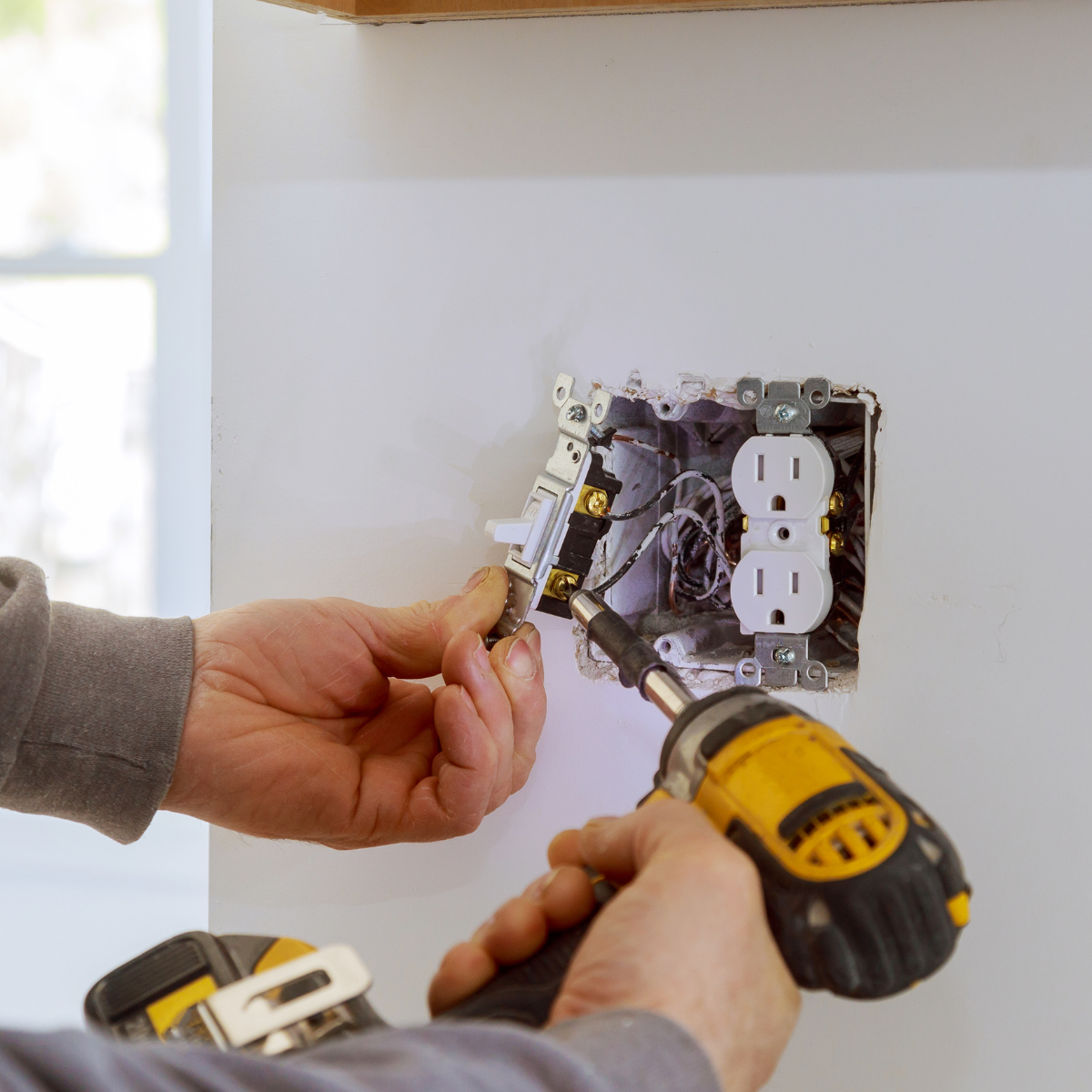
Key Takeaways
Common Residential Electrical Services Explained provides clarity on Ontario’s most important residential electrical services, codes, and upgrade strategies. These essential insights will help you plan smarter projects, boost home safety, and future-proof your investment—all while staying fully code-compliant and informed on 2025’s must-know requirements.
-
Upgrade electrical panels proactively to meet modern demands—installing a 200A panel supports EV chargers, home offices, and major appliances, costing $2,500–$4,500 with 1–2 days of expert work.
-
Rewire aging or unsafe systems—replace old knob-and-tube or aluminum wiring for greater fire safety, insurance savings, and property value, with project costs from $3,000 to $25,000+ based on size.
-
Add outlets and circuits with code-required protections—install GFCI/AFCI outlets and USB charging points for safe, convenient access in kitchens, baths, and outdoor spaces; budget $150–$350 per device.
-
Invest in whole-home surge protection to shield electronics from power spikes—protect your tech for $350–$1,000 installed, and gain peace of mind against surges and lightning damage.
-
Prioritize professional, licensed work—always hire bonded Ontario electricians who pull permits, follow 2025 code, and deliver transparent written quotes to ensure safety and compliance.
-
Plan projects with future needs in mind—factor in EV, solar, smart devices, and upgrades to save money and disruption later; the best time to prep your system is during renovations.
-
Regular maintenance and timely troubleshooting prevent major hazards—watch for flickering lights, frequent breaker trips, or burning smells, and address issues before they escalate.
For a deeper dive into service details, costs, and proactive safety tips, read the full guide and empower your Ontario home—the right way.
Introduction
Common Residential Electrical Services Explained helps Ontario homeowners understand the systems that keep their homes powered, safe, and future-ready. Over 65% of Ontario homeowners face electrical issues annually, from outdated panels to unsafe wiring.
Electrical faults are among the leading causes of household fires in Ontario. Knowing how your system works, where risks hide, and when to call a licensed professional is essential to protecting your home, insurance, and family.
Many issues start subtly:
-
Outlets that function inconsistently
-
Breakers tripping under normal loads
-
Historical wiring that doesn’t meet 2025 Ontario codes
Understanding the basics empowers homeowners to prevent hazards, save on insurance, and maintain property value. This guide covers:
-
How electricity enters and flows through your home
-
Essential updates, from panels to GFCIs, that improve safety
-
Proper grounding, wiring, and smart device integration
We’ll also cover the most requested residential services in 2025—from panel upgrades to safe rewiring—including costs, planning steps, and compliance guidance.
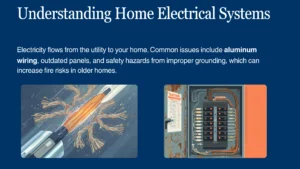
Understanding the Core Components of Residential Electrical Systems
Common Residential Electrical Services Explained starts with a properly designed electrical system. Every outlet, panel, and breaker matters, and all work must follow Ontario’s electrical safety codes.
Service Entrance & Electrical Meter
-
Power enters via overhead or underground lines
-
Meters track usage for accurate billing
-
Safety measures: weatherproof installation, proper height and clearance, regular inspections
Warning signs: flickering lights after storms, unusual meter readings, visible damage
Service Entrance & Electrical Meter
Electricity reaches your home through either overhead wires or durable, underground cables.
The electrical meter—usually mounted on your home’s exterior—monitors all power usage for accurate billing.
Key safety requirements include:
- Sturdy, weatherproof installation
- Height and clearance guidelines set by local utilities
- Regular checks for corrosion, water ingress, or visible damage
Warning signs to call a pro:
- Flickering lights after storms
- Unusual meter readings or physical cracks
“Every house’s journey with electricity begins right at the service entrance—don’t let small issues create costly surprises.”
Main Service Panel (Breaker Box) and Circuit Protection
The main service panel is your home’s electrical headquarters.
Inside, you’ll find:
- Main breaker: Instantly cuts power to the entire home
- Branch breakers: Protect individual circuits
- GFCI and AFCI breakers: Add extra protection from shocks and fires
Panel upgrades are common when:
- Adding new appliances, a home office, or an electric vehicle charger
- The existing panel is underpowered (e.g., less than 100 amps)
- Homeowners want to sell or improve insurance eligibility
“Picture this: Replacing a crowded, outdated panel with a modern, code-compliant one boosts both safety and property value.”
Home Wiring Networks
In Ontario homes pre-1980, you’ll sometimes find aluminum or knob-and-tube wiring, which pose serious risks.
Standard rewiring projects involve:
- Assessing current wiring for wear, code compliance, or outdated materials
- Replacing suspect wires with tamper-resistant, code-compliant copper
- Testing after install for flawless, safe operation
Homeowner benefits include:
- Lower fire risk and fewer tripped breakers
- Insurance savings and a boost to market value
Outlets, Switches, and Device Placement
Today’s homes require more than basic outlets:
- Standard outlets (every room)
- GFCI outlets (kitchens, bathrooms, outdoors)
- AFCI outlets (bedrooms, living areas, added fire safety)
- Integrated USB outlets for modern devices
New codes ensure convenient, safe placement—like outlets within 1.8 meters of every wall.
Replacing or adding outlets/switches can cost $90–$180 per unit, with discounts for multiple installs.
Grounding and Bonding Systems
Proper grounding and bonding protects every device, appliance, and family member. It:
- Directs fault currents safely into the ground
- Reduces shock risk from accidental contact
- Prevents equipment damage after surges or lightning strikes
Legacy homes may need upgrades to meet current Ontario safety requirements—a small investment for priceless peace of mind.
A safe, reliable home starts with understanding these electrical basics—each component, from your meter to your breaker box, works together to power modern living safely and efficiently. Always insist on a licensed Ontario electrician and current code compliance for every project.
Frequently Requested Residential Electrical Services in 2025
Homeowners in Ontario are prioritizing safe, future-ready electrical upgrades that support new technologies and keep families protected. The most requested services in 2025 blend traditional safety essentials with support for EVs, smart devices, and high-efficiency living.
Expect costs, timeframes, and steps to reflect both Ontario’s latest electrical code and the demand for modern solutions.
—
Electrical Panel Upgrades and Service Capacity Increases
Upgrading from 60A or 100A to a 200A panel is a top request, especially for:
- EV charger installations
- Home additions and basement suites
- High-demand home offices and media rooms
Panel upgrades typically include:
- Assessment and load calculation
- Permit application and utility coordination
- Panel and breaker installation
- Inspection and final sign-off
Expect costs generally between $2,500–$4,500 in Ontario, factoring in equipment, permits, inspections, and code compliance. Be prepared for 1–2 days of work, plus power shutdowns during the switchover.
“An upgraded panel is the backbone of a future-ready home.”
—
Home Rewiring Projects
Watch for these warning signs you may need rewiring:
- Frequent breaker trips
- Flickering lights
- Presence of old knob-and-tube or aluminum wiring
The rewiring process is methodical:
- Assessment and detailed quote
- Safe removal of outdated wiring
- Installation of modern, code-compliant cabling
- Inspection and patch-up
Partial rewiring starts around $3,000, with full projects from $8,000–$25,000+ depending on size. Proper rewiring can boost home value, insurance eligibility, and—most importantly—safety.
“New wiring is a silent upgrade with outsized impact: picture peace of mind on every floor.”
—
New Circuit, Outlet, and Switch Installations
Adding new devices is driven by:
- Kitchen and laundry upgrades
- Outdoor living spaces
- Increased use of electronics
Services include:
- Dedicated circuits for major appliances
- Safe GFCI/AFCI-protected outlets in required areas
- USB and smart outlets
Expect per-device costs from $150–$350, with multi-device quotes often discounted. All new installs adhere strictly to Ontario code for spacing and protection.
—
Lighting and Fixture Installations
Popular lighting projects in 2025:
- Energy-efficient LED upgrades
- Smart dimmers and colour-tunable systems
- Security and landscape lighting
Installations are professionally planned for safety, coverage, and style. Interior fixture installs typically range $100–$400 each, with exteriors and custom options higher.
“Lighting should enhance both mood and safety—inside and out.”
—
Surge Protection and Electrical Safety Devices
Protect every device with a whole-home surge protector installed at the panel, a must-have as electronics multiply. GFCI and AFCI outlets are now code-required in kitchens, baths, and sleeping areas.
Expect:
- Whole-home surge protection: $350–$1,000 installed
- Safety device upgrades: $85–$200 per outlet
Anecdotal evidence: Homeowners with surge protection report zero device damage after power surges.
—
Troubleshooting, Maintenance, and Emergency Electrical Services
Common calls in 2025:
- Breaker or outlet not working
- Burning smell or visible sparks
- Partial or full-home outages
Service offerings include:
- One-time troubleshooting (typically $175–$350)
- Preventive maintenance plans (annual or semi-annual visits)
- 24/7 emergency support with transparent, upfront rates
“If you picture a technician calmly restoring power at midnight, you’ve pictured us.”
—
Staying current with Ontario’s most-requested services means preventing hazards before they start and empowering your home for tomorrow’s needs. Whether you’re planning an upgrade or responding to signs of trouble, expect modern, code-compliant solutions that protect your investment and family.
Cost Breakdown for Common Residential Electrical Services
Understanding the true cost of residential electrical services in Ontario empowers homeowners to budget confidently and avoid unwelcome surprises.
Price tags in 2025 reflect many variables, but getting clear on the basics will help you make informed, safe, and compliant choices.
Cost Influencers and Transparency
Electrical service costs rarely fit a one-size-fits-all model.
Key factors driving price include:
- Home age and wiring type (e.g., old knob-and-tube can double the cost of rewiring)
- Service scope: full panel upgrades vs. a single outlet installation
- Materials: high-quality, code-compliant fixtures may increase upfront costs but extend safety and lifespan
- Labour: licensed, insured electricians in Ontario average $80–$130 per hour, with rates rising for emergency calls
- Permit and inspection fees: typically $200–$600, required for nearly all major work
Always request a detailed, written quote—it’s your best defence against scope creep and hidden costs.
Example Cost Ranges for Top Services
Picture this: you’re considering common upgrades for your home.
Here’s what Ontario homeowners are paying in 2025:
- Panel upgrades (100A to 200A): $2,800–$4,500. Includes new panel, main breaker, updated grounding, all permits, and inspections; extras apply for major service entrance changes.
- Full home rewiring (1,500–2,500 sq. ft.): $9,000–$18,000; partial rewires average $4,500–$8,500.
- Outlet or switch installation/addition: $180–$350 per device; discounts for 10+ units installed at once.
- Interior lighting fixtures: $130–$600 each, depending on location and complexity. Exterior or specialty installs (e.g., chandeliers, security lights): $250–$1,200+.
- Whole-home surge protection: $350–$900, supply and install; life expectancy is typically 7–10 years.
“An electrical panel upgrade is one of the few home improvements that truly future-proofs your home.”
Regional and Regulatory Impact on Costs
Ontario’s 2025 electrical code updates now mandate tamper-resistant outlets, GFCI/AFCI coverage in most rooms, and upgraded surge protection—each adding incremental cost but major peace of mind.
Expect:
- Permit and inspection costs to fluctuate by municipality, with Toronto, Ottawa, and Mississauga on the higher end.
- Some regions requiring smart meter or green energy readiness as part of major upgrades—a forward-thinking but sometimes pricier requirement.
“Investing in a professional, code-compliant installation safeguards your home and unlocks long-term value.”
Ontario’s trusted electricians prioritize safety, transparency, and compliance—making it easy to compare costs, plan ahead, and protect your investment with confidence. It’s the kind of smart planning that leads to stress-free upgrades and higher resale value down the road.
Essential Considerations When Planning Electrical Work
Planning electrical upgrades or repairs isn’t just about adding outlets or modern lights—it’s about safety, code compliance, and future-proofing your home.
Hiring the right pro sets the tone. In Ontario, always choose a licensed, insured electrician and check their:
- Credentials
- Local project experience
- Customer reviews, focusing on transparency and a spotless safety record
A reputable contractor never cuts corners, especially when it comes to adhering to Ontario’s 2025 electrical code—a must for legal compliance, resale, and insurance.
Scoping Your Project: Now and Tomorrow
It’s easy to think about what you need today, but savvy homeowners look ahead.
Picture this: you install an EV charger, add a home office, or renovate your kitchen—will your system handle the extra load?
A thorough project scope should include:
- Current lifestyle and tech needs (home offices, smart devices, EVs)
- Anticipated upgrades (basement suite, solar)
- Flexibility for new technologies (USB outlets, network wiring)
A well-planned system can save you thousands in future upgrades. “The best time to wire for tomorrow is when you’re already opening walls today.”
Permits, Compliance, and Real-World Risk
Never skip permits. In Ontario, inspections aren’t just paperwork—they validate safe, compliant work.
Here’s what happens when you don’t:
- Non-compliant wiring can void insurance claims
- You might face costly repairs (or upgrades) when selling
- Safety hazards like ungrounded circuits could put your family at risk
Compare a certified job (neat, labelled, approved) with a DIY panel stuffed with wires—one builds home value, the other sets you up for headaches.
Maximizing Safety, Value, and Next-Gen Features
Proactive upgrades like panel replacements or whole-home surge protection can (and should) pay off long-term.
- Professionally installed systems often get you better insurance rates
- Rewiring or code-compliant panels directly impact appraisal and resale value
- Smart planning means less time scrambling during emergencies—“The safest electrical work is the one you don’t have to worry about.”
Looking ahead to 2025 and beyond? Discuss:
- Smart home devices: Which brands and integrations are you considering?
- EV charger readiness: Will your panel and circuits support future vehicles?
- Solar or battery storage: Ask if your wiring is “solar-ready”
Smart homeowners plan for evolving technology.
—
Choosing licensed professionals, securing proper permits, and thinking beyond today’s needs ensures your electrical upgrades are safe, future-ready, and add lasting value. A safer, more reliable home starts with smart planning—do it once, do it right.
FAQ
How often should Ontario homes have electrical inspections?
Every 2–3 years. Regular inspections detect hidden hazards, ensure compliance with Ontario Electrical Safety Code, and prevent costly issues.
What are the most common residential electrical upgrades?
Upgrading panels (to 200A), rewiring old knob-and-tube or aluminum systems, installing GFCI/AFCI outlets, adding USB charging points, and whole-home surge protection.
Why should I hire a licensed electrician for home upgrades?
Licensed electricians ensure all work meets Ontario Electrical Safety Code, prevent fire hazards, maintain insurance eligibility, and provide reliable, long-lasting installations.
How can I future-proof my home’s electrical system?
Plan for EV chargers, solar, and smart devices by upgrading panels, adding dedicated circuits, and integrating modern safety devices during renovations.
What warning signs indicate electrical problems?
Flickering lights, frequent breaker trips, burning smells, or outlets that don’t work consistently. Prompt attention prevents major hazards.
Conclusion
A safe, future-proof electrical system is one of the smartest investments you can make in your Ontario home. Common Residential Electrical Services Explained ensures every panel, circuit, and upgrade boosts convenience, safety, and property value.
Focusing on compliance, transparency, and lasting value helps homeowners address hazards, plan future-ready upgrades—including EV charger installations—and maintain peace of mind. Trusting professional guidance guarantees that your electrical system is reliable, efficient, and fully code-compliant.
—
Here’s what you can put into action right now:
- Insist on a licensed, insured electrician—your first and best defense against risk
- Have your electrical system assessed before planning upgrades to spot issues and future-proof your investment
- Request a detailed, written quote with clear scope and code compliance for every project
- Ask about code-required upgrades (like tamper-resistant outlets and whole-home surge protection) to ensure insurance eligibility and safety
- Plan with tomorrow in mind: Consider EV readiness, smart device integration, or solar prep when scoping new work
—
To get started:
- Schedule a professional assessment for your home’s electrical system
- Review your future renovation or tech needs with your contractor
- Set up annual maintenance or safety inspections to stay ahead of issues
Never compromise on electrical safety or code compliance—each wise choice protects your family, future, and finances.
—
“An investment in electrical quality today powers peace of mind for years to come.” Make your next upgrade the one that stands the test of time—do it right, do it safe, and let your home’s power work smarter for you.