

Key Takeaways
Understanding the types of residential electrical services explained is essential for Ontario homeowners who prioritize safety, modern convenience, and long-term home value. These insights help you confidently plan upgrades, repairs, or installations—quickly and code-compliantly.
- Licensed electricians are non-negotiable for every Ontario project, ensuring code compliance, valid insurance, and essential resale value protection.
- Panel upgrades and dedicated circuits futureproof your home for EV chargers, renovations, and new appliances, with typical panel work costing $2,500–$4,000.
- Wiring issues like flickering lights or hot outlets signal urgent need for professional rewiring to avoid fire risk and insurance complications.
- GFCI, AFCI, and tamper-resistant outlets upgrade safety in kitchens, bathrooms, and children’s areas, meeting Ontario’s latest electrical code standards.
- Switching to LED and smart lighting cuts energy bills by up to 75% while improving comfort, security, and home automation readiness.
- Whole-home surge protection guards valuable electronics from storm or utility surges, preventing thousands in potential damage with a $500–$1,500 investment.
- Permits, inspections, and clear documentation protect your family and property—never accept cash deals or unlicensed work, as these can void insurance.
- Transparent quotes, detailed timelines, and warranty support give you clarity and peace of mind—expect 5–8 hours for panel upgrades and 3–7 days for full rewiring.
Trusting fully licensed professionals means your home is powered, protected, and future-ready—dive into the full article for deeper insight and practical planning tips.
Introduction
Ever flipped a switch and wondered what’s actually keeping your home bright, comfortable, and—most importantly—safe? When just one faulty outlet sparks concern, you realize reliable electrical service is about so much more than lights and plugs.
In Ontario, the difference between a smooth renovation and a costly error often comes down to who handles your wiring. Did you know that unlicensed electrical work can void your home insurance and risk your family’s safety—even for seemingly minor upgrades? These everyday decisions power more than your appliances; they protect your most valuable investment: your home.
Whether you’re planning to install an EV charger, upgrade your wiring, or maximize energy efficiency, understanding the core types of residential electrical services helps you avoid surprises and costly mistakes. The right knowledge means:
- Peace of mind with every inspection and upgrade
- Long-term savings by reducing the risk of future repairs or insurance headaches
- Future-ready convenience for smart home tech and new appliances
Ontario’s electrical safety codes and permit rules are the strictest in Canada for a reason: proper installation and transparent compliance are non-negotiable for resale value, insurance, and your everyday security.
If you’re a homeowner or property manager navigating a renovation, don’t just settle for a quick fix. Learn how licensed electricians approach everything from panel upgrades to lighting design, and discover which services make your property safer, smarter, and easier to maintain—today, and for years to come.
Ready to see which electrical upgrades might be overdue—or what’s truly required to keep your home protected and code-compliant? The essentials are simpler than you think, and knowing what to ask can make all the difference.
Let’s explore how each type of residential electrical service works, what Ontario’s experts recommend, and which solutions give you real confidence at every switch.
Understanding the Scope of Residential Electrical Services
Residential electrical services are the backbone of a safe, functional home. Every flick of a switch or appliance startup relies on a well-designed, code-compliant electrical system. In Ontario, these services are not just about convenience—they’re about protecting families, property, and peace of mind.
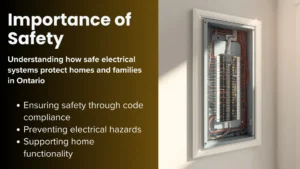
What Makes Electrical Service Safe and Reliable?
Safety, compliance, and reliability top the list of priorities. The Electrical Safety Authority of Ontario mandates that all home wiring, panel work, and installations meet strict standards. Using a licensed electrician isn’t a formality—it’s a requirement for:
- Insurance coverage validity
- Real estate resale value
- Personal and family safety
Picture this: a professionally installed panel upgrade that not only powers a new EV charger but also gives you confidence knowing every circuit is code-compliant and protected from overload.
Core Categories of Residential Electrical Services
Electrical work for homes breaks down into several essential service categories:
- Panel installation & upgrades (e.g., 100A to 200A for new appliances)
- Home wiring and rewiring (fixing aging wires or addressing aluminum-to-copper upgrades)
- Outlet, switch, and specialty receptacle installations (think GFCI for wet areas)
- Lighting systems and energy-efficient upgrades (from basic LEDs to smart controls)
- Whole-home surge protection (guarding electronics from lightning or utility spikes)
- Routine maintenance, troubleshooting, and urgent repairs
- Dedicated circuit installations (essential for ranges, HVAC, EV chargers)
Each of these supports the ultimate goals: fire prevention, shock reduction, and power reliability.
Foundational Components of a Home’s Electrical System
A typical Ontario home features several key elements:
- Service entrance: The main line from the grid, connected through a meter, feeding into your main panel.
- Main electrical panel: Distributes power safely to every room and device.
- Branch circuits, fuses/breakers: Allow safe, controlled electricity to flow—and stop it in case of trouble.
- Grounding and bonding: Crucial for diverting stray currents and reducing shock risk.
Visualize technicians inspecting a breaker panel, their test meters glowing electric blue against neatly labeled circuits.
Ontario Codes Shape Every Service
Ontario’s electrical safety codes steer every nut-and-bolt decision. Permits, inspections, and adherence to standards are non-negotiable:
- Unlicensed or non-compliant work can void insurance and jeopardize resale value
- Proper permitting and inspections are required for panel upgrades, rewiring, and most installations
- Only licensed electricians can certify electrical safety for residential properties
As you explore options for your next project, remember: every safe, reliable home starts with compliant, high-quality electrical service. The right team makes all the difference in keeping your home powered, protected, and up to code.
Core Types of Residential Electrical Services
Electrical Panel Installation and Upgrades
The main electrical panel is the heart of your home’s power: it safely distributes electricity received from the utility grid to every room.
Upgrading your panel—often from 100A to 200A or higher—is essential when you add energy-hungry appliances, renovate, or install EV chargers.
Key details:
- The main breaker acts as a master switch in emergencies.
- Subpanels allow safe distribution for additions like workshops or suites.
- Ontario code demands every new panel or upgrade be installed by licensed electricians and inspected for compliance.
“When adding a hot tub or EV charger, a panel upgrade keeps the lights—and everything else—running safely.”
Picture a modern kitchen renovation: with new high-end appliances, your existing panel may no longer have the safe capacity needed.
Home Wiring and Rewiring
Proper wiring is the backbone of a safe, reliable home—especially in older properties where aluminum wiring or outdated standards present risks.
Watch for warning signs:
- Flickering lights
- Warm outlets
- Frequently tripped breakers
When these appear, it’s time for a licensed inspection.
- New builds use copper wiring that’s energy-efficient and code-compliant.
- Permits and professional inspections are mandatory, and ensure long-term safety.
“Every Ontario homeowner deserves wiring that’s as reliable as it is invisible.”
Installation of Outlets, Switches, and Specialty Receptacles
Today’s families need more than just basic outlets.
- GFCI outlets protect bathrooms, kitchens, and outdoor areas from shocks.
- AFCI outlets prevent electrical fires in living spaces.
- USB and tamper-resistant outlets bring added convenience and safety for kids and devices.
Experts can customize placement for accessibility, home office needs, and modern entertainment setups.
From upgrading ancient two-prong outlets to creating zones for smart home gear, placement matters for daily comfort and compliance.
Lighting Systems and Energy-Efficient Upgrades
Lighting impacts security, comfort, and energy bills.
Consider:
- Switching to LED fixtures cuts energy costs by up to 75%.
- Dimmable, smart-controlled lighting adapts to any mood or schedule.
- Outdoor motion sensors and landscape lighting boost curb appeal and safety.
Picture this: a smart-lit home that greets you at the door and turns off every light at bedtime, all managed from your phone.
Real projects show dramatic reductions in utility bills and beautiful, modernized living spaces.
Surge Protection and Power Quality Management
Electrical surges—caused by storms or utility issues—can fry electronics in a split second.
- Whole-home surge protectors at the main panel block damaging spikes before they reach your appliances.
- Point-of-use protectors add a second layer of defense for sensitive electronics.
Homeowners risk costly repairs and lost data without this protection.
Annual maintenance, device warranty, and inspection protocols safeguard your investments.
“A single surge can cost thousands. Whole-home protection offers priceless peace of mind.”
Electrical Maintenance, Troubleshooting, and Urgent Repairs
Routine inspection and preventative maintenance are your insurance against sudden breakdowns.
Call a professional for:
- Mysterious power outages
- Repeated breaker trips
- Strange buzzing or burning smells
Licensed troubleshooters use advanced diagnostic tools to pinpoint and fix issues fast, prioritizing safety.
In emergencies, a rapid response keeps your family—and your home—protected.
Dedicated Circuit Installations for High-Power Appliances
Modern homes rely on dedicated circuits for appliances like:
- Kitchen ranges and ovens
- Air conditioners and heat pumps
- EV chargers, hot tubs, and sump pumps
Installing these circuits prevents overloads and futureproofs your electrical system.
Ontario code mandates all new high-powered appliances get their own dedicated lines.
“Dedicated circuits mean peace of mind—no more tripped breakers during Sunday dinner or a midnight charge.”
Smart Home Integration and Future-Ready Electrical Systems
Connect your home to the future with:
- Smart switches and plugs
- Voice-controlled lighting and thermostats
- Wi-Fi and Bluetooth automation for security and comfort
Professional installation ensures seamless integration, robust security, and code compliance.
Whether you want to remotely check cameras or automate climate control, today’s systems are ready-made for upgrades.
With each service, you secure a safer, more comfortable, and energy-efficient home that’s ready for whatever tomorrow brings. Safety and code compliance aren’t just a bonus—they’re non-negotiable requirements for Ontario families.
Key Safety and Compliance Considerations for Ontario Homeowners
Safety Codes, Licensing, and Inspections
Ontario’s electrical safety code isn’t just a guideline—it’s the law. Every installation, repair, and upgrade in your home must meet the detailed requirements of the Ontario Electrical Safety Code (OESC).
Only licensed electricians can perform legal electrical work in Ontario. If a contractor can’t produce an ECRA/ESA number, your home is at risk.
Picture this: improper wiring or an uninspected panel upgrade leads to a fire. Your insurance won’t cover damages if the work wasn’t legal or compliant—that’s a risk no homeowner should take.
Before any major project, expect:
- Electrical permits for new installations, major rewiring, and panel upgrades
- Inspections by the Electrical Safety Authority (ESA) before re-energizing
- Documented approval for all work—essential when selling or refinancing your home
Never gamble with “cash deals” or unlicensed work—it can:
- Void your insurance policies
- Lower your property value
- Jeopardize your family’s safety
“Safe, code-compliant work protects your property, your family, and your investment.”
Essential System Components: Service Entrance, Grounding, and Circuit Protection
The service entrance is where electricity flows from the utility grid into your home. It starts at the overhead or underground line, passes through the utility meter, then enters the main disconnect or load centre (panel).
Every Ontario home must have:
- Main breaker or disconnect: Shuts off all power in emergencies
- Labeled circuit breakers or fuses: Protects every branch circuit by cutting power if there’s an overload
- Accessible, code-labeled panel: Clearly marked circuits for quick troubleshooting
Proper grounding and bonding is non-negotiable. Ground wires divert stray current safely into the earth, reducing shock and fire risk. Bonding connects metallic systems (like water pipes) to the electrical ground—this saves lives in the event of a fault.
Common grounding methods include:
- Ground rods driven into the earth
- Metal water piping equipped with grounding clamps
- System bonding jumpers between electrical and plumbing infrastructure
For clarity, technicians often use labeled diagrams and annotated photos to explain how your panel, grounding, and disconnects fit together.
“A well-grounded system is a homeowner’s silent protector—always ready, always on guard.”
Real-World Safety, Real Peace of Mind
Ontario’s strict codes aren’t just paperwork—they protect you every day. Only trust licensed pros, proper permits, and documented inspections for any home electrical work. The right investment in safety today ensures your comfort, peace of mind, and the best value for your property tomorrow.
What to Expect: Typical Workflow and Costs of Residential Electrical Services
Picture this: you call in a licensed Ontario electrician and want to know exactly what will happen—no surprises, no vague steps.
Residential electrical projects follow a clear workflow designed to keep your home safe, compliant, and stress-free.
Step-by-Step Workflow: From Quote to Quality Check
Here’s what you can expect with most electrical service calls:
- Initial Consultation: A qualified electrician assesses your needs—sometimes virtually—for upgrades, repairs, or system installs.
- Detailed Quotation: Get a written quote outlining costs, project scope, and timing.
- Scheduling: Work is booked at a time convenient for you—urgent issues can be prioritized.
- Execution: Licensed electricians perform the work, following Ontario Electrical Safety Code standards and best practices.
- Quality Assurance: Inspections, testing, and any required permits are handled before sign-off.
- Follow-Up: You’ll get tips on ongoing maintenance or service warranties, plus a walkthrough of any new systems.
Clear communication and transparency are core from start to finish.
Project Timelines and Service Durations
Different services have different average timelines in Ontario:
- Panel Upgrades: Typically 5–8 hours for most homes.
- Full Home Rewiring: Around 3–7 days depending on home size and accessibility.
- New Circuit Installation: Often completed in 2–4 hours for single-room projects.
You’ll be kept informed throughout each step, with safety always the top priority.
Pricing Factors and Ontario Cost Ranges
Costs can differ widely—here are the main price influencers:
- Home size and age
- Scope of the work (repair, installation, full upgrade)
- Material choices (standard vs. smart tech)
- Accessibility (finished vs. unfinished spaces)
Typical examples for Ontario homes:
- Electrical panel upgrade (100A to 200A): $2,500–$4,000
- Full home rewiring: $8,000–$20,000
- Outlets and switch installations: $100–$300 each
- Whole-home surge protection: $500–$1,500
“Know your quote—no hidden fees, no last-minute extras.”
Warranty, Support, and Peace of Mind
Reputable companies back work with:
- 1–5 year warranties on parts and service
- 24/7 emergency support for post-project peace of mind
- Clearly documented guidance on next steps and service care
Ask your electrician about ongoing maintenance plans or extended guarantees—these can add value and safety for years to come.
Every homeowner deserves clarity, confidence, and clean workmanship when investing in electrical work. Keep these workflows and price ranges in mind—knowing what to expect makes every stage easier and more secure.
FAQ
1. What are the different types of residential electrical services?
Residential electrical services cover panel installation and upgrades, home wiring and rewiring, outlet and switch installation, lighting and energy-efficient upgrades, surge protection, routine maintenance, troubleshooting, and dedicated circuits for high-power appliances. Knowing the types ensures safety, compliance, and future-ready homes.
2. Why is hiring licensed electricians critical in Ontario?
Licensed electricians guarantee compliance with the Ontario Electrical Safety Code, valid insurance, and proper inspection documentation. Unlicensed work can void insurance, lower resale value, and risk personal safety.
3. How do panel upgrades and dedicated circuits benefit homeowners?
Upgrading panels (100A → 200A) and installing dedicated circuits futureproof homes for EV chargers, new appliances, and renovations. This prevents overloads, reduces fire risk, and ensures consistent electricity for high-demand devices.
4. What safety features should Ontario homeowners consider for outlets and wiring?
GFCI, AFCI, and tamper-resistant outlets protect against shock and fire hazards. Proper grounding, bonding, and surge protection ensure overall home safety and compliance with Ontario’s electrical standards.
5. How do lighting and smart home upgrades save money and improve comfort?
Switching to LED and smart lighting reduces energy bills by up to 75%, improves home automation readiness, and enhances security and comfort. Smart controls allow remote management and long-term efficiency.
Conclusion
A safe, efficient, and future-ready home starts with the right electrical services. Understanding the types of residential electrical services—from panel upgrades and wiring to surge protection and smart home integration—ensures your Ontario home is compliant, secure, and built to last.
By hiring licensed electricians from Padi Electric, you protect your family, preserve insurance coverage, and maintain long-term property value. With transparent quotes, ESA inspections, and modern energy-efficient solutions, every project becomes stress-free and reliable.
Invest in your home’s safety and convenience today. Upgrade your panels, install dedicated circuits, embrace smart technology, and ensure all work meets Ontario’s strict electrical codes. A safer, smarter, and fully future-ready home is just one call away.
“Power your home the right way—safe, compliant, and future-ready with Padi Electric.”
—
Put these essential insights into action:
- Hire only licensed electricians—protect your insurance, resale value, and safety.
- Prioritize code-compliant upgrades for panels, wiring, and specialty outlets.
- Invest in surge protection and regular maintenance to safeguard your devices and prevent costly emergencies.
- Document every service with permits and ESA inspections—futureproof your investment.
- Embrace energy efficiency and smart tech for safer, more convenient living.
—
Ready to power up your next project?
- Schedule a professional assessment to identify safety gaps or update aging systems.
- Request written quotes and confirm permits before any work begins.
- Review your panel and outlets for signs of wear or insufficient capacity, especially if you’re adding high-powered appliances.
- Stay connected with your licensed pro for ongoing care and rapid support.
—
Every step you take towards safer, smarter electrical solutions is an investment in your family’s comfort, security, and the lasting value of your Ontario home.
Choose integrity, quality, and compliance—power your future, the right way.
“A safer home starts with the right connection. Make yours count.”