
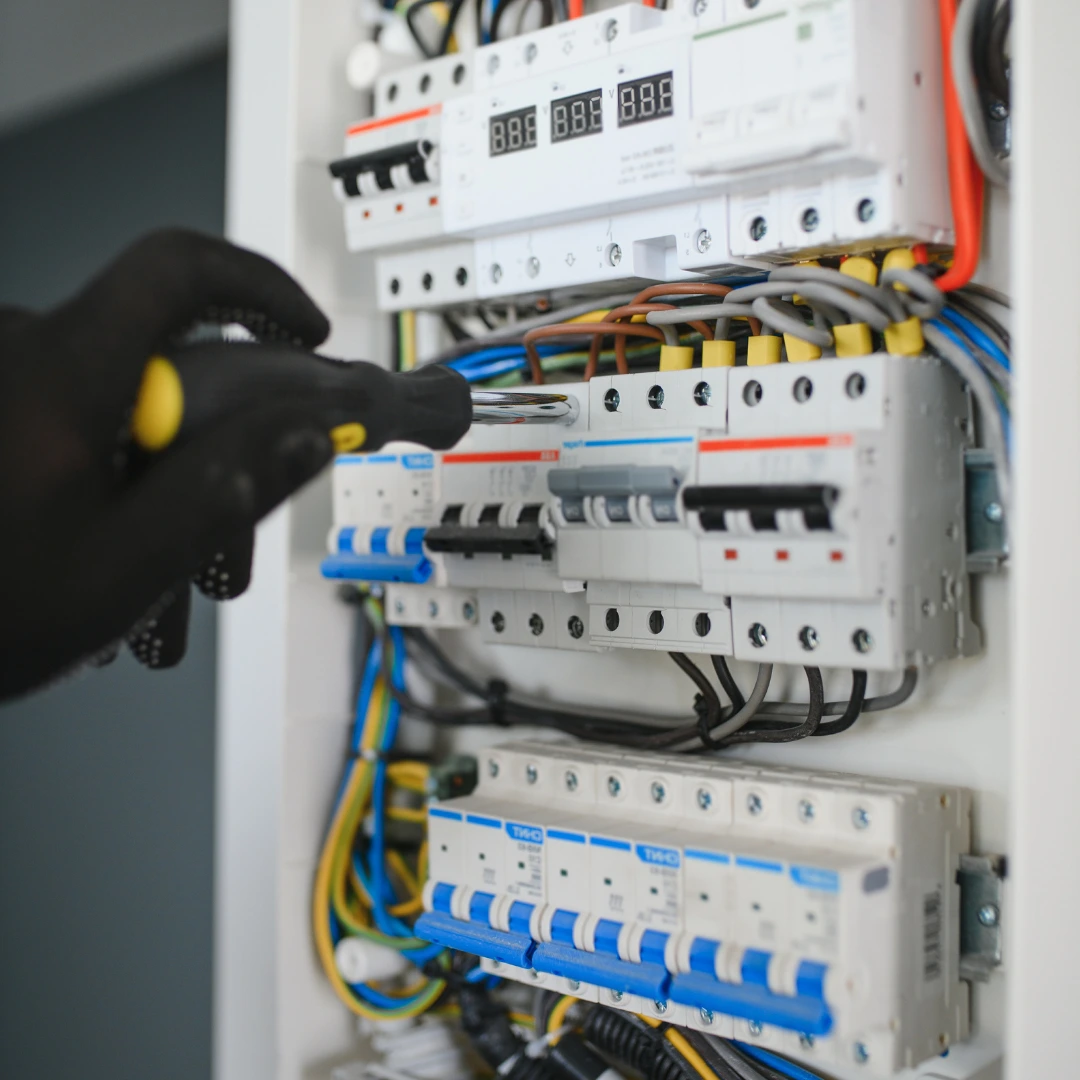
Emergency electrical issues can halt business and jeopardize safety within minutes. Responsive, code-compliant service isn’t just a requirement for Ontario businesses—it’s essential protection for assets, operations, and people. When it comes to Emergency Electrical Services, preparation and rapid response make the difference between minor disruption and major financial loss. Here’s what you must know to keep your property powered and your reputation intact:
- Act fast with 24/7 emergency response—guaranteed arrival times within 60-90 minutes can halve downtime and drastically reduce revenue loss during outages or crises.
- Insist on licensed, insured professionals—using ESA-certified electricians and strict Ontario Electrical Safety Code compliance ensures every emergency fix is safe, legal, and insurance-approved.
- Communication is your lifeline in emergencies—clear real-time updates and coordinated protocols keep property managers, tenants, and staff protected and informed from dispatch through resolution.
- Tackle the full range of emergencies—from power outages and breaker failures to storm, flood, and fire-related electrical damage, make sure your provider delivers fast diagnostics, thorough safety, and comprehensive repairs.
- Prioritize safety and business continuity—deploy visible onsite protocols (barriers, signage, emergency lighting) and strategic temporary fixes (like generators) to minimize hazards and maintain critical operations.
- Document everything for compliance and insurance—immediate recordkeeping and photo evidence enable smooth claims and keep your legal standing rock-solid after any incident.
- Invest in regular maintenance to prevent emergencies—proactive inspections cut callouts by 30–40%, meaning lower risk, reduced costs, and better operational resilience.
- Choose local, credentialed providers with rapid response—demand ESA licensing, insurance coverage, and proven commercial experience for the best possible outcome when every minute counts.
Stay powered, stay prepared, and protect your business with a trusted, compliant emergency electrical partner—because the right help at the right time keeps Ontario businesses running, safely and securely. Read on for more details, provider checklists, and best practices.
Introduction
When your building goes dark, do you have the right expert on call—or are you left scrambling as profits and safety slip away?
In commercial spaces, a single electrical emergency can cost thousands per hour—with every minute offline risking lost revenue, tenant frustration, and potential legal headaches. Ontario property managers know: storms, system failures, and wiring faults never wait for a convenient time.
But not every so-called “emergency electrician” is up to the challenge. True reliability means more than just showing up. It’s about licensed, code-compliant work, real-time communication, and proven safety protocols—on site and on record. The right partner protects your assets, your people, and your reputation in those moments when it matters most.
Wondering what sets the pros apart? It’s more than a fast response. Trusted emergency teams for commercial properties deliver:
- 24/7 rapid dispatch with guaranteed response windows—so critical operations never wait
- Full protection through compliance with Ontario’s strictest safety codes
- Transparent updates and coordinated recovery every step of the way
- Documentation to satisfy insurance, regulators, and your boardroom alike
Across Ontario, commercial owners are investing in pre-planned electrical response not just for peace of mind—but for fewer outages, swifter repairs, and minimized losses when the unexpected strikes.
So what should you expect from high-quality emergency electrical service? Where are the risks, and which solutions truly shield your bottom line? Let’s break down the must-know strategies for ensuring safety, continuity, and compliance when every second counts.
Understanding the Critical Nature of Emergency Electrical Services for Commercial Properties
When a commercial property experiences an electrical emergency, every second counts.
An emergency can look like:
- Total or partial power outages impacting operations
- Sudden breaker or panel malfunctions causing loss of essential services
- Equipment failures jeopardizing revenue and safety
- Exposed or damaged wiring creating fire or shock hazards
- Storm or water damage that floods panels or corridors
Picture this: a high-rise in downtown Toronto loses partial power on a Monday morning, leaving elevators stuck and computer systems offline. In these cases, a prompt, professional electrical response isn’t optional—it’s essential to protect both people and assets.

The Need for Immediate, Expert Response
Power interruptions can instantly halt critical operations—from retail POS systems to medical facility life-support. Fast intervention not only restores safety but also shields property managers from:
- Lost revenue due to downtime
- Tenant complaints and reputational risk
- Data loss or equipment damage that could cost thousands
- Regulatory scrutiny if codes aren’t met
Did you know? According to recent industry stats, 90% of businesses rank electrical reliability as a top operational priority—an outage can cost even a midsize company up to $8,500 per hour.
Unique Risks for Commercial Environments
Unlike residential properties, commercial sites often involve:
- High-occupancy spaces (offices, restaurants, hotels)
- Mission-critical operations (IT centers, warehouses, medical clinics)
- Strict Ontario electrical code compliance and public safety rules
A minor breaker trip in a restaurant can trigger spoiled food and lost bookings, while exposed wiring in a large office poses injury risks for dozens.
Integrity and Accountability in Emergency Response
At the centre of effective emergency services are these core values:
- Safety: Every intervention begins with hazard isolation and occupant protection
- Integrity: Only licensed, insured pros should handle live commercial emergencies
- Accountability: Full documentation, clear client communication, and regulatory compliance are non-negotiable
A licensed team—like Padi Electric—will always prioritize these principles, ensuring not just a quick fix, but the right solution, every time.
For property managers and business owners, having rapid-response protocols and a trusted provider on speed dial can mean the difference between minor setbacks and major financial loss. Protect your assets, your people, and your reputation—because in an emergency, there’s no second chance to get safety right.
Key Components of Emergency Electrical Response
24/7 Availability and Rapid Dispatch
In a commercial property, a power failure can spell disaster—lost revenue, halted operations, and safety risks for dozens or even hundreds of occupants.
True emergency electrical response means:
- 24/7 live dispatch with rapid deployment for all hours, including weekends and holidays
- Guaranteed response times: top providers in Ontario and beyond target critical facility arrival within 60-90 minutes
- Immediate initial assessment: triaging outages, fire risks, equipment failures, and high-occupancy disruptions
Picture this: A high-rise loses power on Friday night. A licensed crew responds before midnight, restoring essential lighting and systems before business resumes in the morning.
“Every minute of downtime is an opportunity lost—fast response is protection in action.”
Licensed, Insured, and Code-Compliant Work
All emergency repairs must meet the Ontario Electrical Safety Code and be handled by certified professionals—no shortcuts.
Trusted providers ensure:
- Licensed, ESA-certified electricians on every call
- Proper permits and complete documentation, even during off-hour emergencies
- Respect for insurance, legal, and municipal liability requirements
Unlicensed or non-compliant work not only risks fines or voided coverage—it puts occupants and property at serious risk.
“Compliance isn’t optional in an emergency—it’s the only way to truly protect your business.”
Communication and Coordination with Clients
Clear, steady communication keeps chaos under control during electrical emergencies.
Essential protocols include:
- Prompt disaster reporting and ETA updates to managers and stakeholders
- Real-time safety advisories for staff or tenants
- Collaboration with building operators, IT teams, or local utilities as needed
- Setting honest expectations—what’s fixable now, what’s temporarily restored, and what needs follow-up
At every step, you’ll know:
- When help will arrive
- What immediate precautions you need to take
- Which business operations can continue—and which need attention
“Transparent updates and coordination give you a clear path forward, even when the lights are out.”
The right emergency electrical response is about more than wiring—it’s safety, uptime, and real-time support when you need it most. Make sure your provider checks every box, every time.
Common Emergency Services for Commercial Properties
Power Outages and System Failures
A sudden power outage can bring an entire business to a halt—one hour of downtime can cost a mid-sized company over $100,000.
Commercial emergency teams use rapid diagnostics to pinpoint whether the root cause is a building-wide fault, equipment overload, or utility failure.
When the lights go out, immediate steps include:
- Deploying generators to restore critical operations
- Setting up manual switchovers for priority systems (IT, HVAC, security)
- Communicating transparent ETAs and safety guidance to property managers
“Our crews can have power restored to essential systems in under an hour for most outages,” says a seasoned commercial electrician—speed is the difference between minor disruption and major loss.
Electrical Panel, Breaker, and Wiring Issues
Breaker trips, scorched outlets, or the odor of overheated wiring aren’t just small annoyances—they’re warning signs.
Critical response steps for these scenarios:
- Safe troubleshooting of panels, breakers, fuses, and outlets using certified tools
- Immediate repairs to contain issues and reduce fire risk
- Documenting all actions for insurance and compliance
Picture this: your breaker room buzzing after a storm, with devices flickering on and off—prompt expert intervention prevents escalation and keeps staff safe.
Generator Installations and Emergency Backup Power
Emergency generators make all the difference for business continuity, especially during long outages or repairs.
Emergency teams evaluate whether a temporary solution or permanent install best fits your site’s needs.
Key considerations include:
- Compliance with local code and recent upgrades
- Proper load calculations to support vital systems
- Preventing disruptions for tenants and operators
Current trends show that Ontario businesses with reliable backup power report 37% fewer hour-lost incidents annually.
Storm, Flood, and Fire-Related Electrical Damage
Storms, water leaks, or fire emergencies demand rapid, cautious electrical response.
The first action: safely isolating affected circuits and assessing visible and hidden damage.
Steps typically include:
- Drying wet panels, replacing compromised wiring
- Working with insurers and code inspectors for staged, compliant restorations
- Clear documentation for claims and regulatory reviews
“When a fire alarm triggers, our team’s priority is ensuring that every hazard is shut down before damage spreads,” is a line every property manager needs to hear and share.
—
Reliable emergency electrical services are a business owner’s safety net—respond fast, use licensed professionals, and keep compliant documentation on file to minimize risk and maximize continuity. The most practical investment? Knowing exactly whom to call, the minute the lights go out.
Minimizing Disruption and Ensuring Safety During Critical Incidents
Onsite Safety Protocols and Business Continuity
In a commercial electrical emergency, safety comes first—always.
Immediately segregate affected areas using physical barriers or green/yellow caution signage to keep employees and customers away from danger zones.
Property managers should instruct occupants to avoid downed wires, exposed panels, or water-damaged spaces until a licensed electrician gives the “all clear.”
Keep essential functions running by making quick adjustments such as:
- Relocating staff from impacted zones
- Switching critical operations to unaffected circuits or surge-protected outlets
- Using emergency lighting and communication systems for safe evacuation if needed
A technician’s first priority: neutralize immediate hazards, secure the site, and set clear communication protocols so everyone knows what’s happening and what comes next.
“Picture this: A faulty breaker trips during a busy lunch rush—a clear sign, prompt isolation, and a rapid dispatch keep guests safe and critical kitchen equipment online.”
Temporary Repairs vs. Permanent Solutions
During emergencies, efficient decisions matter.
Licensed electricians will evaluate whether a temporary repair—such as a manual generator switch or panel bypass—can restore immediate function without adding risk.
Consider a temporary fix when:
- Waiting for parts or approval would cause excessive downtime
- Critical equipment (IT servers, refrigeration) must remain powered
- Safety can be guaranteed through interim measures and clear guidance
Full restoration is scheduled as soon as possible, with:
- A documented action plan for permanent repairs
- Code-compliant upgrades, tested before system-wide reactivation
- Follow-ups to confirm stability and prevent repeat outages
“Temporary solutions buy you time—permanent solutions buy you peace of mind.”
Asset and Data Protection
Sensitive systems—think IT, HVAC, security—are often most vulnerable.
Immediate shutdown protocols are vital to avoid damaged servers or lost data.
Whenever possible:
- Safely power down nonessential equipment
- Isolate high-value circuits from damaged infrastructure
- Coordinate with IT/security leads to prioritize critical systems
- Log incident steps for insurance and compliance
Pro tip: Business continuity teams working alongside a licensed electrician minimize both downtime and loss.
A single hour of power loss can mean thousands in lost productivity—a clear, preplanned response keeps losses minimal and assets secure.
For every commercial emergency, the key is proactive safety, strategic temporary repairs, and meticulous coordination to keep people safe and business moving. When every minute counts, prepared protocols and clear leadership make all the difference.
Compliance and Risk Management in Emergency Electrical Scenarios
Meeting Legal and Insurance Requirements
When an electrical emergency strikes a commercial property, adhering to Ontario’s Electrical Safety Code isn’t just best practice—it’s the law.
Every emergency repair must be performed by a licensed, insured electrician and follow strict permit and recordkeeping procedures. This protects your business, your people, and your bottom line.
Immediate post-incident documentation is essential for insurance claims and legal compliance. After an event, property managers should:
- Collect detailed repair records
- Photograph the damaged area before, during, and after service
- Save all correspondence with your electrician and insurer
You’ll also need to file reports with your insurer—including detailed timelines, invoices, equipment lists, and impacted operations. Local adjusters may want direct communication with your service provider to verify code compliance and limit liabilities.
Proactive Steps to Avoid Recurring Emergencies
Prevention is the silent champion in risk management. Scheduled preventative maintenance, annual electrical inspections, and system testing are crucial—especially for high-occupancy or mission-critical facilities.
Urgent repairs highlight areas that may need a long-term fix. Use each emergency as a roadmap for:
- Identifying repeat problem spots or equipment with frequent faults
- Prioritizing upgrades for panels, wiring, or backup systems that have caused previous incidents
Training your team is just as important as fixing hardware. For visual, picture this: a properly briefed staff calmly isolating power to a water-intruded panel or guiding occupants safely out during a blackout—no panic, just protocol.
- Conduct annual emergency response training sessions
- Ensure managers and key staff know basic electrical hazard actions
- Keep clear, printed response plans onsite and share digital copies frequently
Trends, Takeaways, and What You Can Do Now
Leading Ontario providers report that regular maintenance reduces emergency call-outs by 30%–40%—driving major cost savings and boosting insurance eligibility.
A growing trend: property owners who proactively document maintenance and incident response often see faster, fuller insurance payouts.
Memorable tip: “Prepared properties bounce back faster—and pay less—in the long run.”
Setting a standard for compliance, documentation, and staff readiness not only keeps people safe; it turns crisis into confidence for your business.
Selecting an Emergency Electrical Service Provider: Criteria and Best Practices
Key Qualifications and Certifications
Choosing the right emergency electrical partner starts with credentials that protect your business every step of the way.
Always look for:
- ESA (Electrical Safety Authority) licensing—mandatory in Ontario for code-compliant work
- Proof of commercial insurance—protects both property and occupants
- Documented safety training—keeps everyone protected in high-risk situations
- Commercial experience—ask for project portfolios and verifiable business references
Request to see up-to-date licensing and coverage certificates before work begins.
A reputable provider welcomes your questions, offers references, and will clarify technical terms.
“Don’t cut corners—ask about credentials before that first emergency call.”
Regional Response Capabilities and Local Presence
A fast, effective response depends on how close the provider is to your site—not just phone promises.
- Providers in Ontario, Florida, and Tennessee repeatedly emphasize true 24/7 coverage as a service guarantee
- For example, companies like Hypower (FL) and Emergency Electricians (TN) dispatch from local bases for quicker on-site action
- Choose a company familiar with your municipality’s electrical codes and inspection requirements—local compliance is non-negotiable in emergencies
Picture this: A Toronto-based property manager receives immediate help from an on-call team based just blocks away—the difference between a one-hour wait and a whole workday lost.
Local expertise means, “When every second counts, your solution is already nearby.”
Service Levels, Communication, and Customer Experience
A seamless emergency response requires not just speed, but transparent communication and professional conduct.
Key features to demand:
- Clearly defined service agreements with guaranteed response times (often within 1 hour)
- Step-by-step triage: prioritizing severe incidents, up-front assessments, and clear escalation pathways
- Communication that is proactive: updates about estimated time of arrival, ongoing actions, and safety steps
Case in point: South Florida providers furnish detailed action plans, document all repairs, and follow up post-incident—turning chaos into clear next steps.
“Exceptional service is not a luxury in an emergency—it’s your safety net.”
A vetted, local, and customer-focused electrical partner is the single best insurance against extended downtime and recurring hazards. Verify credentials, prioritize response proximity, and expect clear communication—these are the basics that ensure your business stays powered, protected, and compliant.
The Value Proposition: Investing in Reliable Emergency Electrical Services
Financial and Operational Impact Analysis
Picture this: a power outage hits your office tower on a busy Monday morning. Within minutes, lost productivity, scrambled leases, and stalled transactions can rack up thousands in costs per hour.
That’s why investing in reliable emergency electrical services isn’t just about compliance—it’s strategic protection for your bottom line.
Direct repair expenses typically range from $250 to $800+ per emergency call-out in Ontario, varying with the incident’s complexity. But the real shock comes from:
- Downtime: A single hour offline can cost SMEs up to $10,000 in lost business.
- Data loss: Critical for IT-heavy operations, improper power restoration or failed backup can lead to massive recovery costs.
- Safety breaches: Electrical hazards trigger regulatory actions and put staff at risk.
Proactive response—like rapid generator deployment or immediate panel repair—frequently cuts downtime by 50% or more, compared to delayed or piecemeal fixes.
Tailoring Services for Your Property
Not every commercial space has the same needs. Emergency response solutions can be customized for:
- Multi-tenant offices: Prioritize common areas, elevators, and security systems.
- Industrial sites: Focus on machinery, safety shutdowns, and sensitive manufacturing lines.
- Retail or hospitality: Protect point-of-sale, refrigeration, and customer comfort.
Ask your provider about maintenance bundles that include 24/7 priority response and annual inspection credits.
Building Long-Term Relationships for Continued Protection
On-the-spot fixes are just the start. Establishing an ongoing service partnership means faster, more informed support when it matters most.
Here’s why clients across Ontario choose maintenance contracts and preferred service agreements:
- Reduced rates and guaranteed response windows for contract clients.
- Faster diagnoses from technicians familiar with your premises.
- Detailed service records that support insurance claims and future upgrades.
Annual contracts with prioritized emergency support are a favorite among top-performing businesses—they deliver peace of mind and ensure minimal disruption during crises.
Leveraging Emergency Experience Into Future Resilience
Your emergency history is more than a paper trail; it’s a roadmap for risk reduction. Leverage every incident to:
- Identify system weak points for targeted upgrades.
- Shape custom continuity plans that match your unique vulnerabilities.
- Train your team with real-world lessons from past responses.
Reliable emergency electrical service is more than a quick fix. It’s an investment in your people, your assets, and your ability to bounce back—powering your business the right way for every challenge ahead.
FAQ
1. What qualifies as Emergency Electrical Services for commercial properties?
Emergency Electrical Services include urgent response to outages, breaker failures, exposed wiring, fire or water damage, and hazardous electrical faults. These services prioritize immediate safety, code compliance, and restoration of power to prevent business interruption and liability risks.
2. How quickly should Emergency Electrical Services respond?
Professional Emergency Electrical Services should offer 24/7 dispatch with arrival times typically within 60–90 minutes. Fast response reduces downtime, prevents equipment damage, and helps businesses resume operations safely and efficiently.
3. Are licensed electricians required for Emergency Electrical Services in Ontario?
Yes. In Ontario, Emergency Electrical Services must be performed by licensed professionals compliant with provincial safety codes. Using certified electricians ensures legal compliance, insurance approval, and long-term safety.
4. How can businesses prevent frequent calls for Emergency Electrical Services?
Preventative maintenance, regular inspections, load assessments, and timely upgrades significantly reduce the need for Emergency Electrical Services. Proactive strategies lower operational risks and improve system reliability.
5. Why is documentation important during Emergency Electrical Services?
Proper documentation during Emergency Electrical Services supports insurance claims, regulatory compliance, and internal reporting. Detailed records and photo evidence help protect businesses legally and financially after an incident.
Conclusion
Reliable emergency electrical services aren’t just a precaution—they’re your frontline defense against costly setbacks and preventable risks. By acting decisively and aligning with a licensed, trusted provider, you ensure your commercial property is always ready to weather the unexpected and bounce back stronger.
To maximize safety, minimize downtime, and keep your operations compliant, commit to these immediate priorities:
- Establish a relationship with a licensed emergency electrical partner—don’t wait until crisis strikes to vet credentials.
- Document and maintain clear emergency response protocols tailored to your property’s unique needs.
- Schedule regular preventative maintenance and training for you and your staff to ensure rapid, safe action in any scenario.
- Invest in backup power solutions and system upgrades that secure your most critical operations.
- Keep compliance records, insurance documentation, and emergency contacts easily accessible at all times.
Ready to safeguard your investment? Here’s what you can do right now:
- Add an ESA-certified provider to your speed dial and verify their 24/7 response capabilities.
- Walk through your property to identify weak points—breaker rooms, high-traffic panels, sensitive IT equipment—and share these with your electrician.
- Review and update your emergency SOPs with your team—clarity now means confidence later.
- Book a comprehensive electrical safety audit for added peace of mind and insurance benefits.
Every second you invest today is a barrier against tomorrow’s uncertainty. When it comes to power, safety, and service, compromise is never the answer. Build your plan, choose your partner, and rest easy knowing your business is always powered the right way.
“When the lights go out, leadership switches on—be ready to protect what matters most.”

Written by Roozbeh Nahreini
Roozbeh Nahreini is the founder and owner of Padi Electric Inc., an ESA-certified electrical contractor serving Aurora and the Greater Toronto Area. With 10+ years of hands-on electrical expertise and a team combining 50+ years of field experience, Roozbeh specializes in residential and commercial electrical solutions—from panel upgrades and EV charger installation to smart home integration and advanced diagnostics. His commitment to transparent pricing, code-compliant workmanship, and 24/7 emergency response has established Padi Electric as a trusted neighborhood contractor across Aurora, Richmond Hill, Newmarket, Vaughan, and the GTA.