
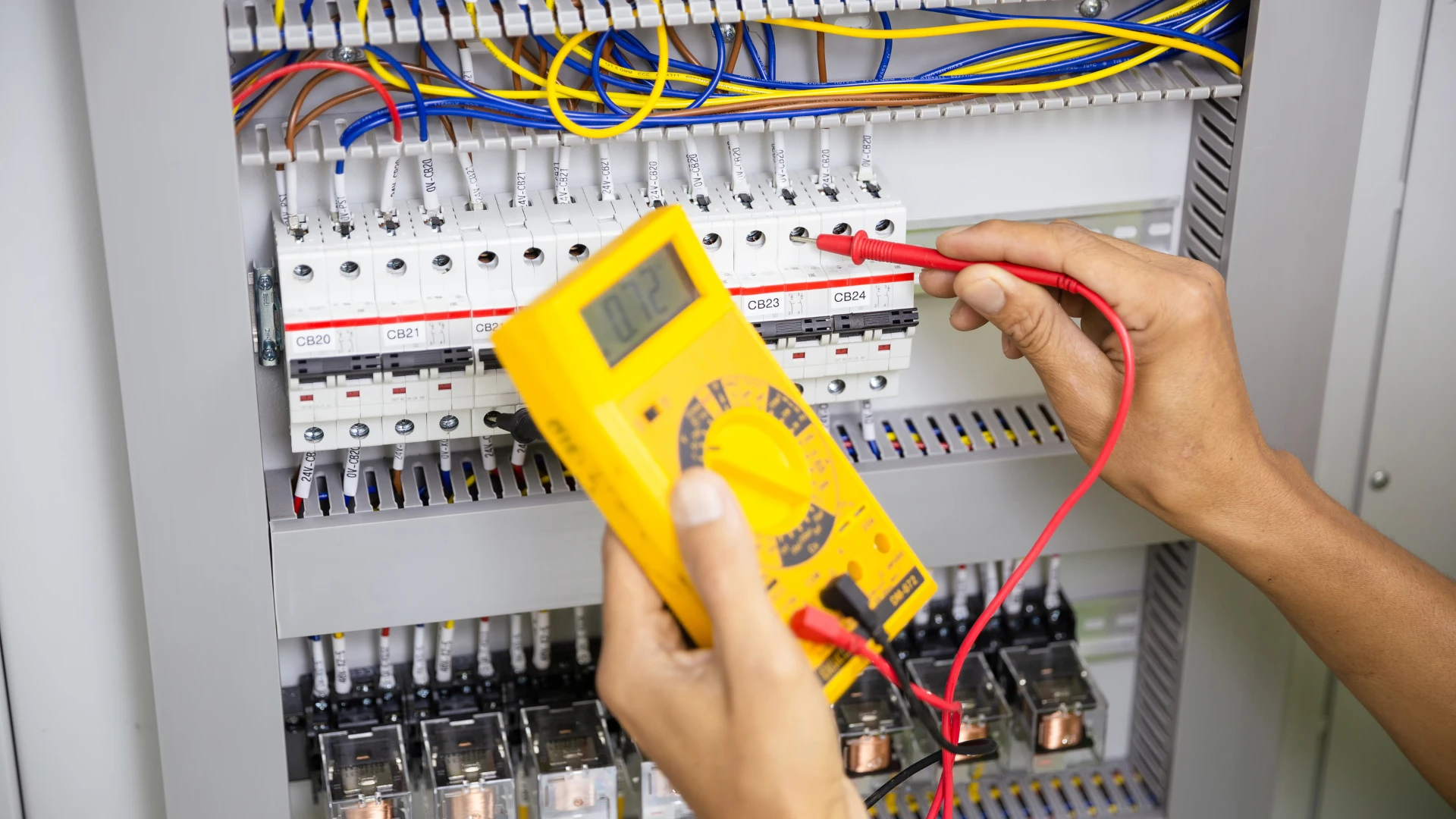
Electrical system upgrades are more than a compliance task—they’re a smart, future-ready investment for every Ontario property. These insights deliver the essentials on safety, efficiency, and long-term value you can act on right away.
- Always start with a licensed assessment to uncover hidden hazards and ensure your upgrade is safe, code-compliant, and tailored to your home’s needs.
- Replace outdated wiring or panels—especially knob-and-tube or anything under 100 amps—to reduce risk and support modern appliances, EV chargers, and smart tech.
- Prioritize proper permitting and ESA inspections; Ontario law requires it, and skipping this step risks failed inspections, insurance denial, and potential $10,000 fines.
- Upgrade to GFCI, AFCI, and whole-home surge protection to cut fire and shock hazards by up to 80% and protect sensitive electronics.
- Plan for future expansion—install panels with extra capacity and wiring layouts ready for tomorrow’s renovations, solar, or electric vehicles.
- Document defects, repairs, and upgrades with photos and inspection records to boost resale value, speed approvals, and keep your insurance valid.
- Expect investment from $2,500–$10,000+ for a quality residential upgrade, which can lower insurance premiums by 5–15% and pay off in long-term safety and reliability.
For a safer home and peace of mind, trust only licensed Ontario electricians and start every upgrade with clear planning—explore the full article to power your next renovation the right way.
Is Your Home Ready for Modern Power Demands?
Think your electrical system is up to the challenge of a smart home, induction stove, and an electric vehicle charger—all at once? Over 60% of Ontario homes built before 1980 can’t safely keep up with today’s power demands.
An outdated panel or aging wiring isn’t just inconvenient—it can put your insurance coverage, resale value, and your family’s safety at risk. Modern lifestyles call for more capacity, higher efficiency, and total code compliance. And with new safety standards arriving in 2026, now is the time to get your system renovation-ready.
Whether you’re a homeowner eyeing a kitchen remodel, a property manager upgrading for new tenants, or a builder aiming for top-tier safety, the right electrical upgrade brings peace of mind—and lasting value.
Here’s what you stand to gain:
- Reduced fire and shock risks with modern GFCIs, AFCIs, and robust grounding
- Easier insurance approvals and higher resale value for properties with up-to-date systems
- Support for the latest tech—from EV chargers to home automation
- Access to energy-efficiency rebates helping offset future project costs
But there’s more to upgrades than new panels or a few extra outlets. Ontario’s strict electrical code demands licensed professionals, careful planning, and documented inspections—steps that protect your investment for years to come.
Curious where to start? It all begins with understanding what truly counts as an electrical system upgrade or renovation—and why a professional, safety-first approach pays dividends.
Understanding Electrical System Upgrades and Renovations
What Counts as an Electrical System Upgrade or Renovation?
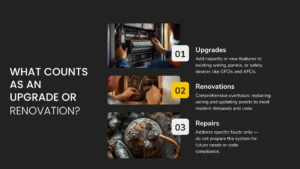
An electrical system upgrade means adding new capacity or features to your home’s existing wiring, panel, or safety equipment.
A renovation often involves a complete overhaul—replacing old components, running new wiring, or updating panels to support today’s power needs.
Repairs fix specific problems, but upgrades and renovations set your system up for future reliability and compliance.
Picture this: replacing an outdated knob-and-tube setup with modern copper wiring and a new panel—now your whole home is safer, runs more efficiently, and meets Ontario’s latest codes.
Key Benefits for Ontario Homeowners
Upgrading isn’t just about compliance—it’s a smart investment in safety, resale value, and everyday dependability.
- Reduces fire and shock risks: Modern GFCIs, AFCIs, and grounding shield your family.
- Ensures insurance and resale eligibility: Insurance providers may deny claims on homes with unsafe or non-compliant wiring.
- Boosts energy efficiency and tech-readiness: New panels handle EV chargers, induction stoves, and smart home tech.
- Unlocks government incentives: Energy efficiency rebates may offset project costs in 2026 and beyond.
Over 60% of Ontario homes built before 1980 require electrical work to safely support modern appliances and demands.
What Triggers an Upgrade or Renovation?
Common catalysts include:
- Aging wiring or panels (aluminum, fuses, corroded parts)
- Major renovations (kitchen, basement, or home additions)
- Adding high-draw appliances (hot tubs, AC, EV chargers)
- Insurance or code compliance demands
- Technology adoption (home automation, solar)
If you notice flickering lights, persistent breaker trips, buzzing outlets, or warmth around switches, these are immediate signals to consult a licensed electrician.
Complexity, Timeline, and Professional Involvement
Electrical upgrades range from single-day panel swaps to multi-week, whole-home rewires.
Expect:
- Up to $2,500–$10,000+ for extensive residential upgrades, based on size and scope
- Mandatory inspection and permitting through Ontario’s Electrical Safety Authority (ESA)
- Licensed electricians only—it’s required by law, not just best practice
A typical workflow includes full assessment, custom system design, safe shutdown and protection, phased installation, and final inspection—each stage is planned for safety and minimum disruption.
Clear takeaway: The best upgrades start with professional assessment and are planned with your home’s future in mind. Every choice sets the tone for years of safe, smooth, and flexible living.
Initial Assessment and Planning
Comprehensive Electrical Assessment
A full electrical assessment is the critical first step in any system upgrade or renovation.
Licensed electricians meticulously review:
- The main service panel and any subpanels
- Circuit load and available capacity
- Wiring integrity and age (spotting issues like aluminum or knob-and-tube)
- Grounding and bonding connections
- Outlet condition and placement (including GFCI/AFCI requirements)
- Functionality of safety devices, including breakers and surge protectors
Picture this: a technician in a crisp Padi Electric uniform opens your panel, checks for corrosion or heat marks, and tests outlets for hidden faults—this level of diligence can prevent everything from annoying flickering lights to hazardous electrical fires.
Identifying Outdated, Damaged, or Unsafe Systems
Ontario statistics estimate that homes built before 1970 have a 40% higher risk of electrical deficiencies—usually due to outdated materials or insufficient capacity.
Key warning signs your system needs attention include:
- Persistent breaker trips
- Buzzing outlets or switches
- Warm or scorched wiring and outlets
- Lights that frequently flicker or dim, especially when large appliances run
Typical evaluation methods are:
- Visual inspection of wiring, devices, and panels
- Professional system testing with diagnostic tools
- Load analysis to compare current use against panel capacity
- Compliance review aligned with Ontario’s ESA regulations
Planning for Future Electrical Needs
Modern living puts new demands on old systems. Anticipate needing more power for:
- EV chargers and electric vehicles
- Expanded kitchen appliances or culinary gadgets
- Home office setups, including high-powered electronics
- Smart home devices, lighting automation, or HVAC upgrades
A scalable design means:
- Sufficient panel space for extra circuits down the road
- Flexible layouts for future renovations or tech additions
- Selecting materials and devices rated for tomorrow’s codes
Consider this: A well-sized, future-ready panel could save $2,000–$5,000 over piecemeal upgrades as trends evolve and tech advances, according to recent Ontario project data.
Consulting Licensed Professionals
Always consult a licensed electrician registered with ECRA/ESA before planning or expanding your electrical system.
Here’s why:
- Ensures compliance and avoids expensive rework or inspection failures
- Properly documents your upgrades for insurance and resale value
- Lowers risk—a professional plan reduces the chances of downtime, hazards, and surprise costs
“Get the assessment right from the start and you’ll save time, money, and headaches later.”
Careful upfront evaluation and smart planning lay the groundwork for any successful upgrade—a safer, future-ready electrical system is built on these professional, code-compliant steps.
Code Compliance, Safety Standards, and Permits
Navigating Ontario’s Electrical Safety Code
Upgrading your home’s electrical system starts with strict code compliance. In Ontario, all residential work must meet the latest edition of CSA C22.1 and new provincial updates for 2026.
Permits are mandatory for nearly all upgrades—from panel changes to circuit expansions and rewiring. Skipping the permit process often results in:
- Failed inspections
- Costly do-overs
- Legal or insurance issues
- Municipal fines of up to $10,000 for unpermitted work
Expect to provide:
- Clear work documentation (plans, load calculations)
- Contractor details (ECRA/ESA number)
- Proof of municipal approval
Picture your project moving smoothly: every switch, outlet, and panel labeled, all documents in the hands of your city’s inspector—no surprises, just sign-off and peace of mind.
“Code compliance isn’t optional—it’s your best insurance against hazards and costly redos.”
Licensed Electricians and Professional Accountability
In Ontario, only licensed electricians and ECRA/ESA-certified contractors can legally complete or sign off on electrical upgrades.
Their responsibilities include:
- Sizing and specifying the correct equipment (panels, breakers, wire types)
- Following up-to-date code requirements and safety standards
- Carrying $2 million+ liability insurance for your protection
Before hiring, always:
- Check ECRA/ESA registration
- Ask about ongoing code training and recent project experience
“Choosing a licensed electrician is not just about skill—it’s about keeping your home, investment, and family safe.”
Safety Protocols and Site Preparation
Every professional upgrade starts with lockout/tagout and de-energizing circuits. No power means no accidental shocks—a non-negotiable for modern electrical work.
Electricians follow a checklist:
- Personal protective equipment (insulated gloves, safety eyewear)
- Organized, barrier-controlled work areas
- Frequent tool and wire testing (voltage verification)
Minimizing your disruption matters just as much:
- Use phased scheduling (one area at a time)
- Keep workspaces spotless
- Provide advanced updates and expected timelines
“A safe, organized site protects everyone—technicians and owners alike.” Imagine seeing your upgrade: clean boots by the door, no extension cords snaking through the kitchen, and clear communication on what happens next.
Every upgrade succeeds on the foundation of code, clarity, and qualified people. Ontario’s standards exist for one reason—to make sure every switch you flip is safe, compliant, and built for the future.
Core Components of Electrical Upgrades
Main Electrical Service and Panel Upgrades
Keeping your home’s power safe and reliable starts with the main electrical panel—the heart of your system.
Panels should be upgraded or replaced if you notice:
- Flickering lights
- Buzzing or warm breakers
- Repeated breaker trips
- Panels over 20-30 years old
- Any panel rated under 100 amps for modern homes
With smart homes, EV chargers, and expanded living spaces, most Ontario homes benefit from panels sized for future growth—think 200A or higher.
Many homes now consider smart load centers or panels with built-in whole-house surge protection to defend against costly surges.
Picture this: You add a new HVAC system or car charger, but your breakers constantly trip. Upgrading your panel in advance solves those headaches before they start.
Wiring, Grounding, and Outlets
Outdated wiring—like aluminum or knob-and-tube—puts you at risk for electrical fires.
A licensed electrician can quickly spot if your system needs:
- Full rewiring (especially in homes built before 1970)
- Replacement of damaged insulation or undersized conductors
- Upgrades to meet new appliance demands and code
Proper grounding and bonding are non-negotiable for safety and insurance approval.
Don’t overlook replacing and adding outlets:
- Tamper-resistant outlets for families
- GFCIs for kitchens, baths, outdoors, and basements (modern code now requires these in more locations)
- AFCIs to protect entire living areas from arc faults
- Weatherproof covers wherever water could be present
One overlooked outlet in a damp basement can mean failed inspection and unsafe conditions.
Protection Devices and Advanced Safety Upgrades
Today’s upgrades always include advanced safety systems:
- Arc-fault circuit interrupters (AFCI): Required in living rooms, bedrooms, and more per the latest Ontario code
- Ground-fault circuit interrupters (GFCI): Now in all wet/damp areas, laundry rooms, and many finished basements
- Whole-home surge protection: Essential as electronics and sensitive tech become “must-haves” in Ontario homes
- Back-up power integration: Pre-wiring for generators, battery storage, and smart transfer switches builds in resilience for outages and emergencies
“Think safe, plan smart: every device added today is a layer of protection for tomorrow.”
Each upgrade brings your system in line with modern safety standards, insurance requirements, and future technology—making your home safer, more efficient, and ready for anything Ontario living throws your way. Always work with a licensed professional to unlock the full value and peace of mind these updates deliver.
Workflow: From Design to Approval
Step-by-Step Upgrade Process
Planning an electrical upgrade? Picture this: A licensed electrician arrives, flashlight in hand, to open your panel and test every outlet—this is where every safe, compliant renovation begins.
Upgrades follow a proven sequence designed for safety, efficiency, and code compliance:
- Inspect and assess the existing system—panels, wiring, grounding, load, and outlet health.
- Design/engineer the new system for current load and future needs (think: EV chargers, smart tech).
- Secure permits and set schedules with the relevant authorities (AHJ/ESA).
- Safely de-energize all circuits, logging out/tagging out before work starts.
- Install/upgrade components: swap in modern panels, replace unsafe wiring, add outlets, and update protection devices.
- Test and verify—run diagnostics on function, safety devices (GFCI/AFCI), and grounding integrity.
- Schedule inspections for official sign-off and peace of mind.
Every job must pass inspection—there’s no shortcut on safety.
“A well-planned upgrade isn’t just about more power—it’s about future-proofing your home safely and legally.”
Managing Logistics and Minimizing Downtime
A renovation is more than wires and panels. For homeowners, the key is minimizing household disruption.
Top strategies that reputable Ontario contractors use include:
- Efficient sequencing: Tackle high-priority areas first, phase work to keep main rooms powered.
- Clear communication: Pre-schedule visits, give access guidelines, update homeowners stage by stage.
- Prefabrication & pre-testing: Assemble components off-site and test before installation to reduce on-site surprises.
- Temporary power solutions: Use portable panels or circuits so you’re never left in the dark—even mid-upgrade.
“Renovation doesn’t mean chaos—smart planning keeps your family safe, comfortable, and in the loop.”
Maximizing Safety, Speed, and Satisfaction
- A standard panel upgrade can take one to two days; full rewiring may require one week or more, especially in larger homes.
- Inspections are built into each stage, so every system meets or exceeds Ontario’s 2026 safety code.
- Immediate red flags—like persistent breaker trips, flickering lights, or warm outlets—are treated as stop points to protect your investment and safety.
A seamless electrical renovation comes down to a clear process: inspect, design, permit, isolate, install, test, inspect again. By following this workflow, you get not only reliable power but also security and future flexibility—three upgrades in one.
Troubleshooting and Warning Signs During Renovations
Recognizing Electrical Hazards on the Job
During any electrical upgrade or renovation, spotting hazards early isn’t just smart—it’s essential for safety and compliance.
Picture this: You notice a light flickering in the living room, a faint buzz from an outlet, or a breaker tripping every time you plug in the kettle.
Don’t shrug it off.
Look for these red flags:
- Flickering or dimming lights
- Buzzing or sizzling sounds from switches or outlets
- Repeated circuit breaker trips or blown fuses
- Warm, discoloured, or sparking outlets
- Visible damage to wires, panels, or devices
These issues signal deeper problems—outdated wiring, overloading, or unsafe connections—and can quickly escalate to electrical fires or shocks.
“If you hear a buzzing outlet, that’s your sign to stop and call a licensed electrician—don’t risk it.”
Acting Fast: Safety Comes First
If you spot these warning signs, the safest move is always to:
- Stop all electrical work immediately
- Isolate the affected circuit by turning off the breaker
- Contact a licensed Ontario electrician to perform an expert assessment
Following these steps not only protects your family and property—it can also save you from failed inspections and costly rework down the line.
When to Repair, Replace, or Upgrade
Not every fault means total replacement.
Consider these principles:
- Minor issues (like a loose outlet or single damaged wire) may only need a quick repair by a qualified pro
- Major issues (like corroded panels, persistent breaker trips, or visible wiring damage) signal it’s time for a component upgrade or full system replacement
Tip: Ontario’s best practice is to replace any knob-and-tube or aluminum wiring discovered during renovations—these are no longer considered safe or compliant.
Documenting and Justifying Your Decisions
Always provide transparent documentation:
- Photograph deficiencies or hazards
- Record inspection reports and recommended actions
- Maintain logbooks of repairs, replacements, or upgrades performed
Detailed records help justify the scope of work to both inspectors and future homeowners—boosting resale value and ensuring compliance into the future.
Strong recordkeeping isn’t just good practice. “Well-documented repairs protect you at resale and speed up municipal inspections.”
Spotting and acting on electrical warning signs early is your best defense against costly emergencies. Trust your instincts, involve licensed professionals, and keep a record—safety and transparency power Ontario homes, the right way.
Quality Assurance: Inspection, Testing, and Certification
Final Testing and System Verification
Electrical upgrades aren’t complete without rigorous final testing and system verification—the backbone of safe, compliant homes in Ontario.
Before sign-off, licensed electricians use diagnostic equipment to perform a series of targeted electrical tests:
- Continuity testing: Confirms connections are complete and conductive.
- Load analysis: Verifies the system can handle your actual and projected power demands.
- Polarity checks: Ensures outlets and devices are wired correctly, a crucial step for safety and appliance lifespan.
- GFCI/AFCI testing: Required in kitchens, bathrooms, and bedrooms—these tests prevent ground and arc faults, major risk factors for shock or fire.
- Voltage drop analysis: Assesses if wiring properly delivers full voltage to all points, reducing equipment wear and surge risk.
Specialists document these tests meticulously, ready for the inspector to review. Imagine a seasoned technician, digital meter in hand, logging results panel-by-panel—safety and accountability, every step of the way.
“A safe electrical system isn’t just installed—it’s tested, proven, and documented.”
The Inspection and Approval Process
Ready for inspection? Here’s what Ontario homeowners can expect:
- ESA (Electrical Safety Authority) and municipal inspectors review your project’s permits, plans, and test documentation.
- Typical inspection checklists cover:
- Main and sub-panel labeling
- Proper grounding and bonding
- Quality of all connections
- Code-compliant GFCI/AFCI protection
- Safe, accessible device placement
- Inspectors review error logs and ask for proof of updated panel schedules and professional load calculations.
If all items meet code, you receive:
- Inspection approval
- Certification of compliance
- Project warranty documentation
- Guidance for maintaining your new electrical system
Shareable Insights and Takeaways
“Picture this: The inspector signs off, and you get the all-clear—proof your upgrade meets Ontario’s strictest safety codes.”
Today’s trend? Insurers and new buyers often request electrical certification records—making good documentation an investment you can’t skip.
To sum up: Every electrical renovation closes with the same non-negotiable goal—thoroughly tested, documented, and officially certified systems for peace of mind and long-term value.
Costs, Value, and Long-Term Benefits
Understanding Cost Drivers and ROI
Electrical system upgrades and renovations can range from $2,000 to $15,000+ in Ontario, depending on project scope, materials, and home size.
Location matters: houses with tricky access or older wiring (like knob-and-tube) will see higher costs due to additional complexities.
Expect these main cost drivers:
- Scope of work—panel upgrades, full re-wiring, new outlets, or advanced safety devices
- Material quality—premium panels and surge protection can reduce risk long-term
- Home size and age—larger and older homes require more labour and inspection
- Permits and compliance—ESA permits are non-negotiable, but their cost protects you from future liabilities
Renovating only for the lowest price is risky—the average electrical fire claim in Canada is $32,000, so paying for compliance and safety upfront is a wise investment.
What Homeowners Gain: Value for Today and Tomorrow
Every quality upgrade directly boosts your:
- Safety: Modern GFCI and AFCI devices cut fire and shock risks by 80%
- Insurance and resale value: Upgraded systems may save 5–15% on insurance premiums and speed home sales
- Future readiness: A 200-amp panel, wired for EVs or solar, can add real value as energy tech evolves
Picture this: Your classic Ontario home gets a main panel upgrade with smart surge protection, hidden wiring, and tamper-resistant outlets. Now your kitchen powers chefs, your car charges overnight, and your insurance agent gives you a nod of approval.
Long-Term Benefits: Peace of Mind and Adaptability
Upgrading isn’t just about today’s coffee maker, it’s about letting your home support:
- New appliances and smart tech—no more tripped breakers or extension cords
- Home office, EV charging, or energy storage—scalable wiring and panels ready for innovation
- Evolving code compliance—ensuring your system passes the next round of ESA inspections stress-free
“An electrical upgrade isn’t just fixing old wires—it’s future-proofing your lifestyle,” is a message any Ontario homeowner can get behind.
Making the right investments today means less downtime, lower risk, and more comfort for years to come—powering Ontario, the right way.
Power Your Home’s Future — Safely and Smartly
Upgrading your electrical system isn’t just maintenance—it’s an investment in safety, flexibility, and the confidence to power your life without compromise. When you choose to modernize, you’re unlocking the benefits of today’s technology, tomorrow’s standards, and peace of mind for years to come.
Navigating Ontario’s code and choosing the right solutions may seem complex, but it’s all about making smart, future-ready decisions that keep your family and property secure. Whether you’re renovating, adding new tech, or simply making your home safer, the right licensed professionals turn potential risks into lasting value.
Here’s what you can do right now to move forward:
- Schedule a comprehensive assessment with a licensed, ECRA/ESA-certified electrician—this is your foundation for safe upgrades.
- Document and photograph any warning signs (flickering lights, buzzing outlets, warm breaker panels) to share with your electrician.
- Demand code-compliant work: Only hire contractors who are insured, qualified, and committed to safety—no shortcuts.
- Plan for tomorrow: Discuss your needs for EV charging, home office power, or smart home expansion during design.
- Keep records of all permits, inspections, and certificates—these boost resale value and insurance eligibility.
Set your expectations high—building electrical safety and capacity is never just about wires. It’s about setting the stage for everything your home and family want to do next.
If you’re ready to take action, reach out to a licensed Ontario electrician today and see what a future-proof electrical system can do for your property.
The future is wired for those who plan ahead. Power your next chapter—safely, smartly, and the right way.
FAQs:
1. What is included in residential electrical system upgrades in Ontario?
Electrical system upgrades typically include main panel replacement or expansion, rewiring of outdated aluminum or knob-and-tube systems, installation of GFCI and AFCI protection devices, grounding and bonding updates, and whole-home surge protection. The scope depends on your home’s age, size, and future power needs such as EV chargers or smart home technology.
2. How much do electrical system upgrades cost in Ontario?
Costs typically range from $2,500 to $10,000 or more for residential projects. Factors include home size, wiring type, panel capacity, and whether ADAS or smart tech integration is required. Investing in proper upgrades can lower insurance premiums by 5–15% and significantly reduce the risk of costly electrical fire damage.
3. Do I need a permit for electrical system upgrades in Ontario?
Yes. Ontario law requires permits and ESA inspections for nearly all electrical system upgrades, including panel changes, circuit expansions, and rewiring. Skipping permits can result in failed inspections, insurance denial, and municipal fines of up to $10,000. Always hire an ECRA/ESA-licensed electrician to handle documentation and approvals.
4. How do I know if my home needs electrical system upgrades?
Common warning signs include flickering lights, repeated breaker trips, buzzing outlets, warm switches, or a panel rated under 100 amps. Homes built before 1980 are especially at risk. A licensed electrician can perform a full assessment to identify hidden hazards and recommend the right scope of work for your property.
5. How long do electrical system upgrades take to complete?
A standard panel upgrade typically takes one to two days. Full rewiring of a larger home may require one week or more. Timeline depends on the project scope, permit approvals, and ESA inspection scheduling. Your electrician should provide a clear phase-by-phase plan to minimize disruption to your household throughout the process.

Written by Roozbeh Nahreini
Roozbeh Nahreini is the founder and owner of Padi Electric Inc., an ESA-certified electrical contractor serving Aurora and the Greater Toronto Area. With 10+ years of hands-on electrical expertise and a team combining 50+ years of field experience, Roozbeh specializes in residential and commercial electrical solutions—from panel upgrades and EV charger installation to smart home integration and advanced diagnostics. His commitment to transparent pricing, code-compliant workmanship, and 24/7 emergency response has established Padi Electric as a trusted neighborhood contractor across Aurora, Richmond Hill, Newmarket, Vaughan, and the GTA.