
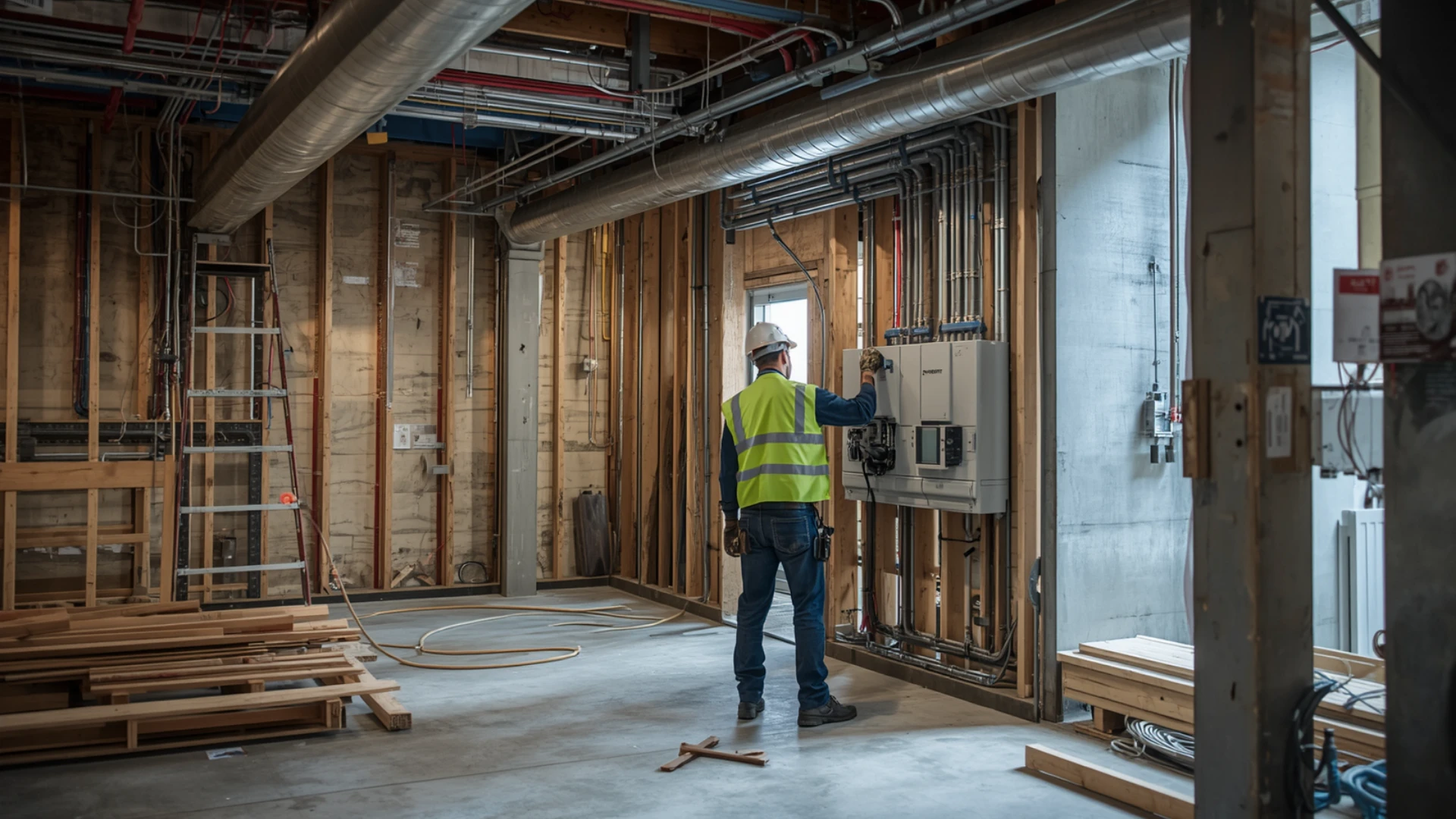
Staying compliant with Richmond Hill electrical codes is essential for safety, insurance, and long-term property value. Whether you’re upgrading your panel, handling renovations, or hiring a pro, knowing the basics lets you protect your investment and avoid costly pitfalls. Here’s what every Richmond Hill homeowner must know:
- Code compliance is non-negotiable—follow both Ontario Electrical Safety Code (OESC) and Richmond Hill bylaws to ensure safety, pass inspections, and keep your insurance valid.
- Permits and ESA notifications are always required for major electrical work—skipping them risks fines, insurance denial, and costly rework before resale.
- Essential safety features are now mandatory: AFCI and GFCI outlets in required rooms, surge protection on new panels, and tamper-resistant receptacles in all new Ontario homes.
- DIY electrical work is legally limited—homeowners must be the property’s occupant, file all permits upfront, and pass inspections; mistakes can void insurance or result in failed inspections.
- Exact specs matter: Service panels must be mounted 4-6 ft 7 in high, all circuits clearly labeled, and wire sizes (14-gauge for 15A, 12-gauge for 20A) strictly followed to avoid fire risks and failed inspections.
- Licensed electricians guarantee compliance—they manage permits, stay up to date with code changes (including 2023 NEC and OESC updates), and offer written warranties for peace of mind.
- Routine, documented electrical inspections prevent surprises—store permit and inspection records, and schedule annual safety checks to maintain compliance and maximize home value.
- Staying current with code changes is your best investment—read ESA bulletins, review local updates, and consult experts before any upgrades to futureproof your home and avoid hidden liabilities.
Master these essentials to keep your home safe, your projects stress-free, and your investment secure—explore the full guide for in-depth checklists, local resources, and professional tips.
Why Richmond Hill Electrical Codes Matter for Every Homeowner
Did you know a single code violation can void your insurance, derail your renovation, and jeopardize your family’s safety—all in one misstep? For Richmond Hill homeowners, understanding key electrical codes isn’t just paperwork; it’s your best defense against expensive surprises and real-world hazards.
Imagine this: you invest in a stunning kitchen transformation, only to hit a wall during inspection when a missed GFCI outlet forces costly delays. Or worse, unpermitted work leaves you with an insurance claim denied after a fire. These aren’t rare scenarios—they’re common for those who underestimate the impact of fast-changing electrical rules.
The stakes are rising fast as new codes address everything from EV charging and surge protection to high-powered home offices. In Richmond Hill, even the smallest electrical project can trigger:
- Mandatory permits and inspections
- Strict safety device requirements (AFCI, GFCI, tamper-resistant outlets)
- Tight rules for wiring, grounding, and panel labeling
Cutting corners isn’t just risky—it’s now easier than ever to get caught, as inspectors and insurance companies routinely review electrical upgrades and retrofits.
That’s why knowing what’s required, recommended, and outright mandatory is your smartest investment—whether you’re finishing a basement, upgrading your panel, or adding smart home tech.
In the next sections, you’ll discover the essential foundations of electrical codes every Richmond Hill homeowner should know, practical advice for navigating permits and inspections, and room-by-room checklists that keep your project safe, insurable, and future-ready.
Ready to turn electrical compliance from a headache into an asset? Here’s what you need to know before you make your next move.
Understanding Electrical Codes: Foundations Every Richmond Hill Homeowner Should Know
Electrical codes are detailed rulebooks that safeguard people, property, and investments by setting clear standards for electrical systems.
Whether you’re updating a panel, finishing a basement, or rewiring a kitchen, meeting these codes is critical for keeping your family safe and your property protected.
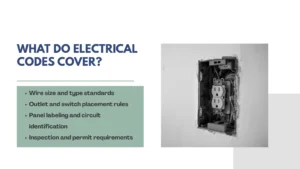
What Do Electrical Codes Cover?
Codes look at every detail, from wire size to outlet placement and panel labeling.
You’ll encounter three layers of rules:
- Local bylaws – Set by your municipal government (e.g., City of Richmond Hill) for permits and inspection schedules.
- Provincial or state codes – Like the Ontario Electrical Safety Code (OESC) in Richmond Hill, Ontario, or the Georgia amendments to the National Electrical Code (NEC) in Richmond Hill, Georgia.
- National standards – Provide the technical backbone (e.g., NEC in the U.S., Canadian Electrical Code in Canada).
Key distinction: In Ontario, projects must meet both the OESC and local city requirements; in Georgia, NEC rules apply but may be changed by state or town amendments.
Why Does Compliance Matter?
Following code isn’t just red tape—it’s essential for:
- Preventing shock, fire, and equipment failures
- Passing inspections and avoiding costly delays
- Keeping your insurance valid (non-compliance can void claims)
- Protecting resale value—homes with code violations often lose value or fail to sell
“Code compliance is your insurance policy against disaster.”
Who Sets and Enforces the Codes?
You’ll work with different authorities based on your location:
- Richmond Hill, Ontario: Electrical work is enforced by the Electrical Safety Authority (ESA), while municipal building departments handle building permits.
- Richmond Hill, Georgia: The municipal building department enforces both electrical permits and inspection.
Ignoring the right enforcer can mean failed inspections, mandatory rework, or hefty fines.
How Do Codes Change? What’s New?
Codes update regularly—often every 3-5 years—to address new technologies and safety data.
- In Georgia, adoption of the 2023 NEC (with state amendments) is scheduled for 2026, impacting surge protection and outdoor disconnect requirements.
- In Ontario, OESC revisions have tightened rules on tamper-resistant receptacles and GFCI protection in more areas.
Picture this: last year’s code may allow an outlet in a specific area; this year’s may require GFCI—one missed detail can mean a failed inspection.
Stay current—code changes move quickly, and inspectors hold everyone to the latest standards.
The Risks of Skipping Code
Miss a step and you risk:
- Failed inspections and project delays
- Insurance refusals for fire or electrical claims
- Costly corrections before selling or refinancing
- Real safety hazards, including shock and fire
“Shortcuts cost more than doing it right the first time.”
Understanding your local, provincial/state, and national codes empowers you to protect your home, avoid headaches, and enjoy peace of mind—because true value comes from work that’s done safely and by the book.
Navigating Permits and Legal Requirements for Electrical Work
Understanding When You Need a Permit
Most electrical projects in Richmond Hill—whether Ontario or Georgia—need a permit before any wires are run or panels are touched.
Typical projects requiring permits include:
- Adding new circuits or electrical panels
- Major electrical upgrades (e.g., service size increases)
- Home additions, basement finishes, or major renovations
- Upgrading kitchens or bathrooms
Skipping a permit equals skipping peace of mind: unpermitted work can lead to failed inspections, fines, or denied insurance claims.
“If in doubt: always ask your municipal office or the ESA before you start.”
Ontario vs. Georgia: How the Processes Differ
In Richmond Hill, Ontario:
- Electrical permits are called ESA notifications—handled by the Electrical Safety Authority, not City Hall.
- Building permits may also be needed for major projects (call 905‑771‑8810 to confirm).
- You need an ESA permit for almost any wiring addition, panel change, or large replacement.
In Richmond Hill, Georgia:
- Permits are processed through the Building Department (912‑756‑3641).
- Homeowners must submit a Residential Building Permit Application and, if doing the work themselves, an Owner Exemption Affidavit.
- All permitted work must be inspected by the City before it’s covered or put into service.
Visual Cue: Picture a stack of paperwork in one hand, tools in the other—every project begins with documentation.
Timelines, Fees, and Getting it Right the First Time
Permit turnarounds and fees depend on the project:
- Ontario ESA notifications: $79+ and usually processed in a few business days.
- Georgia building permits: Fees vary, with typical electrical permits in the $50-$150 range, and 24-hour notice required for scheduling inspections.
- Required documents usually include:
- Permit application
- Detailed work plan or electrical diagram
- For DIY: proof of property ownership (Ontario) or signed affidavit (Georgia)
Top tip: Call early, describe your project, and request a checklist—avoid surprise delays.
DIY Work vs. Bringing in a Licensed Electrician
“Knowing when you can DIY—and when you must call an expert—can save your investment and your safety.”
Homeowners may legally do their own electrical work only if they:
- Ontario: Are the property owner and occupant, file for an ESA notification before work, and pass all inspections.
- Georgia: Same criteria, plus submit the Owner Exemption Affidavit with the permit.
Still, the following are key risks of DIY:
- Failing inspection on first try (common for non-pros)
- Insurance denial if uninspected work causes loss
- Missing critical updates—current codes evolve annually, such as the 2026 Georgia amendments to the 2023 NEC
Licenced electricians:
- Guarantee code compliance
- Handle documents and inspection scheduling
- Provide written warranties
Homeowners who cut corners with permits are gambling with both safety and property value.
Every electrical project in Richmond Hill starts with one call—either to your local building department or the ESA. Getting the right permit protects your investment, ensures safe work, and keeps insurance on your side. Document first, wire second—your future self will thank you.
Core Electrical Code Requirements in Richmond Hill: Room-by-Room Breakdown
Understanding core electrical code requirements in Richmond Hill is essential for ensuring safe, efficient, and fully compliant home electrical systems. These requirements are designed to regulate everything from service panel installation and circuit protection to outlet placement and grounding methods, with strict rules enforced through the Ontario Electrical Safety Code and municipal inspection processes. Each area of the home has its own specific safety standards, meaning electrical design must be carefully planned on a room-by-room basis to avoid hazards, failed inspections, or costly rework.
Service Panels, Wiring, and Circuit Protection
Service panels are the heart of your electrical system, and codes in both Richmond Hill, Ontario and Georgia set strict standards for installation and safety.
- Mount panels no lower than 4 feet and no higher than 6 ft 7 in to the top breaker handle.
- Maintain 3 feet of clear working space in front of every panel—no storage allowed.
- Each breaker must be clearly labeled to match the connected room or appliance.
- All homes must have a main disconnect; the latest codes now require outdoor emergency disconnects in Georgia and for new/future installs elsewhere.
- Surge protection devices are mandatory on new service panels under current NEC rules (Georgia) and strongly recommended in Ontario.
Key safety devices include:
- AFCIs: All bedroom and living area circuits must use Arc Fault Circuit Interrupters.
- GFCIs: Required by both OESC and NEC in kitchens, bathrooms, laundry, garages, and outdoors.
Grounding and bonding are non-negotiable for keeping your system safe and insurable:
- Use a ground wire or metal conduit to tie outlets and metal boxes back to the panel.
- Metal boxes: attach ground to both box (ground screw) and device for compliance.
- Typical code failure: missing a bonding wire or skipping panel ground rod.
For wire sizing:
- 15A circuits: 14-gauge wire (for lights, most outlets)
- 20A circuits: 12-gauge wire (kitchen, laundry, some appliance connections)
- Always check the panel rating and never mix up wire sizes—overloaded wires are a top inspection fail.
“Just a few inches or the wrong wire size can mean failing your inspection—or risking a fire.”
—
Kitchens, Bathrooms, Laundry, and Specialized Spaces
High-use rooms come with high-stakes safety codes. A kitchen remodel, for example, means facing the most detailed electrical requirements in the house.
- Kitchens:
- At least two 20A GFCI-protected circuits for countertop outlets (Ontario and Georgia).
- Outlets every 4 feet across countertops; no spot more than 2 feet away from a receptacle.
- Major appliances like the dishwasher, fridge, and microwave each require their own dedicated circuits.
- All outlets must have AFCI and GFCI protection as of 2023 NEC/2021 OESC.
- Bathrooms:
- One dedicated 20A GFCI circuit for outlets; at least one outlet within 3 feet of the sink.
- All lights above tubs or showers must be damp- or wet-rated.
- Laundry:
- 20A GFCI receptacle for washer; 30A, 240V circuit for electric dryers.
- All outlets GFCI-protected in new installs.
- Garages, Basements, Outdoors:
- GFCI on all outlets, inside and out.
- Use tamper-resistant and weatherproof outlets in Ontario.
- Install lighting over exterior doors and weather-sealed fixtures in damp areas.
“Picture this: You’re plugging in a microwave on its own circuit, with a pop-up GFCI outlet in the island—that’s code—and instant peace of mind.”
—
Lighting and Receptacle Placement
Code isn’t just about safety—it’s also about making your home work for you, day to night.
- Outlets in living and bedrooms must be no more than 12 feet apart; walls over 2 feet wide need an outlet.
- Hallways over 10 feet must have outlets and 3-way light switches at each end for safe movement.
- On stairs, 3-way switches top and bottom are required.
- All new dwelling units in Ontario must use tamper-resistant receptacles for child safety.
- Outdoors: use weatherproof fixtures and GFCI outlets for all exterior plugs.
- Bathroom and shower lighting must be height and damp-location rated—inspectors check labels and distances.
“A code-compliant home isn’t just safer—it’s more comfortable and future-ready.”
—
Knowing these room-by-room standards empowers Richmond Hill homeowners to avoid costly rework, insurance headaches, or failed inspections. Use these checklists before starting any project—and always call a licensed electrician if you’re unsure. Safety, compliance, and peace of mind are always worth it.
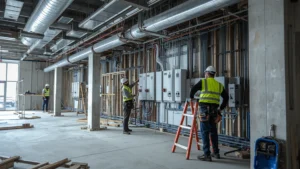
Inspections, Compliance, and Common Pitfalls
Scheduling and Passing Inspections
Every electrical project in Richmond Hill—Ontario or Georgia—must pass multiple inspection stages to ensure safety and code compliance.
You’ll typically schedule:
- Rough-in inspections: Wires, boxes, and panels visible but not covered
- Final inspections: All systems powered, devices connected, and finishes complete
- Any special inspections required by unique project scope, code, or permit
In Richmond Hill, Ontario, coordinate with the Electrical Safety Authority (ESA)—not the city. Homeowners or contractors book directly through ESA’s online portal or by phone.
For Richmond Hill, Georgia, inspections are organized through the municipal building department. You must request the appointment at least 24 hours in advance—call or email before you finish work.
Inspectors look for:
- Active permits and notifications
- Detailed diagrams of circuits and panels
- Proof of qualified installation, such as ESA Certificate of Acceptance (Ontario) or signed permit cards (Georgia)
Frequently Missed Code Requirements and Hazardous Shortcuts
Homeowners often trip up on the same critical code requirements:
- Using improper wire gauges for the circuit ampacity (e.g., 14-gauge on a 20A breaker)
- Forgetting GFCI/AFCI protection in required rooms—laundry, bathrooms, kitchens, garages
- Missing or insufficient grounding/bonding connections
- Bypassing official permits—work without a permit is the #1 reason for failed inspections
Shortcuts don’t just jeopardize your inspection—they put your safety and insurance coverage at risk. Insurance claims are routinely denied due to unpermitted or non-compliant work.
Recent code changes are easy to overlook but vital:
- Surge protection is now required in new or upgraded service panels
- Exterior emergency disconnects are mandated in many new homes
Picture this: A basement renovation fails inspection because a homeowner skipped GFCI outlets near a sink—one $20 device stands between a green tag or a total redo.
Passing with Confidence: What Inspectors Expect
Get ready for your inspection with a focused checklist:
- Permits and notifications displayed
- Up-to-date circuit directories with every modification clearly labeled
- Accessible access panels—no locked or blocked doors
- Work is clean, secure, and to code—no loose wires, damaged sheathing, or missing clamps
Inspectors want your install safe, clear, and by the book—not clever “workarounds.”
Three facts every Richmond Hill homeowner should know:
- Most inspection failures are easily avoided with careful prep and up-to-date code knowledge
- Skipping a permit often costs far more in rework and insurance hassles
- Safety devices (GFCI/AFCI, surge protection) are not just “extras”—they’re non-negotiable in modern codes
A well-documented, properly inspected job is your best defense against risk—and your golden ticket to safe, insurable, future-ready electrical systems.
The Value of Working with Licensed Electricians
What Certified Professionals Offer
Imagine your home’s safety, insurance coverage, and resale value—all riding on the quality of your electrical work. A licensed electrician brings more than just experience; they deliver total peace of mind.
Here’s what you can expect from certified pros in Richmond Hill:
- Expert knowledge of the latest Ontario Electrical Safety Code or NEC, including ongoing updates (like surge protection mandates or GFCI expansion).
- Flawless permit and inspection management, ensuring every step is correct and documented, which prevents inspection delays or insurance disputes.
- Premium workmanship that meets or exceeds both legal and safety requirements; the worksite stays tidy and deadlines are met.
- Thorough, transparent documentation—critical if you’re selling your property or filing insurance claims later.
- Proactive spotting of risks: 65% of electrical fires are traced to code violations or improper DIY work—licensed electricians don’t take shortcuts.
“A professional’s signature on your permit is your guarantee that every wire behind your walls meets code and protects your family.”
“Licensed electricians aren’t just following the rules; they build trust into every connection in your home.”
Choosing the Right Electrician in Richmond Hill
Picture this: You’re vetting electricians and want to avoid costly mistakes. Use the following checklist as your starting point:
- Confirm active ESA licensing (in Ontario) or state license (in Georgia), general liability insurance, and worker’s compensation.
- Ask for recent references—and follow up on them.
- Request documentation of permit history and code compliance on recent jobs.
Smart questions to ask:
- “Who handles the permit process and ESA/inspection scheduling?”
- “Will you provide a full written report and photos upon completion?”
- “Which code edition will you follow for my project?”
Signs of professionalism are easy to spot:
- Upfront, clear estimates with no hidden costs.
- Use of premium, code-approved materials.
- Worksites that are spotless at the end of each day.
Licensed electricians often serve as your long-term partners—for annual safety reviews, service upgrades, and renovations as your needs grow.
The path to a safer, higher-value home starts with expertise you can trust. Hiring a licensed electrician transforms a “to-do” into a “done right the first time”—with results that protect you for years to come.
Staying Informed: Adapting to Code Updates and Futureproofing Your Electrical System
Staying ahead of the curve with electrical codes is more than compliance—it’s your best insurance against costly repairs, legal issues, and unsafe conditions that threaten your property’s value.
Picture this: You’re planning a kitchen renovation, but months after finishing, an insurance claim is denied because your new circuit wasn’t up to the Ontario Electrical Safety Code’s latest version. Up-to-date knowledge isn’t optional—it’s your safety net.
Easy Ways to Track Code Changes
Electrical codes in Richmond Hill, Ontario change every three years, with recent updates targeting GFCI placement, surge protection, and tamper-resistant outlets.
Here’s how to stay current:
- Subscribe to ESA bulletins at esasafe.com for instant updates on new CODE requirements.
- Read municipal notices from the City of Richmond Hill for changes to local permitting rules.
- Follow industry news from sources like the Electrical Safety Authority and professional contractor networks.
“Safety isn’t set-and-forget—codes evolve just as fast as technology does.”
“One outdated outlet can impact your whole home’s compliance and resale value.”
Proactive Upgrades Versus Reactive Repairs
Why wait for something to go wrong?
- Proactive electrical upgrades lead to 30% fewer insurance claims related to electrical fires, according to Canadian Underwriter data.
- Upgrading for new codes, such as installing whole-home surge protection (now mandatory in many new installations), reduces both downtime and repair costs.
- Regular upkeep ensures a “rock-solid, futureproof electrical foundation,” giving peace of mind in an era of increasingly smart, gadget-filled homes.
Must-Do Habits for Every Homeowner
Solid habits make futureproofing simple:
- Schedule annual electrical safety inspections with a licensed electrician—catch issues before they escalate.
- Keep permits, inspection reports, and ESA certificates in a dedicated home safety file (digital and paper).
- Review your electrical system every time you add major appliances, renovate, or install a new technology—like an EV charger or solar inverter.
Trends that Shape Modern Home Electrical Systems
Today’s codes reflect evolving homes:
- Smart home wiring demands surge- and tamper-resistance across every critical outlet.
- EV charging stations are surging—more than 70% of new-built homes in Ontario now pre-wire for Level 2 charging.
- LED lighting, automation, and renewable energy systems now require specific code-compliant wiring layouts and panel upgrades.
If you’re adding a home office, outdoor kitchen, or major appliance, consult an ESA-licensed electrician before you start. Small decisions now impact decades of safe, reliable power.
Even a quick call with a licensed pro can save thousands later—and make sure your electrical system powers your future, the right way. Stay proactive, stay organized, and never settle for “good enough” when it comes to home safety.
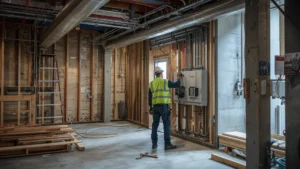
Staying Compliant with Richmond Hill Electrical Codes for Long-Term Safety
Code-compliant electrical work is more than a checklist—it’s your assurance of safety, long-term savings, and a truly futureproof home.
When you understand Richmond Hill’s electrical codes, you’re not just meeting local regulations; you’re building the confidence to protect your investment, pass inspections smoothly, and keep your family secure for years to come.
—
Take these essentials with you:
- Always verify permit requirements before starting any electrical project—documentation is your first line of defense.
- Insist on code-compliant upgrades like GFCI/AFCI protection and surge devices—protecting against tomorrow’s risks starts today.
- Partner with a licensed electrician to guarantee compliance, quality, and proper guidance with every update or renovation.
- Maintain organized records—keep all permits, inspection certificates, and safety documents accessible for peace of mind and resale value.
- Stay informed—subscribe to ESA or city updates so you never miss critical code changes that impact your home.
—
Take your next steps now:
- Review your current electrical panel and protection devices—are they up to today’s standards?
- Schedule a safety inspection with a licensed, ESA-certified electrician if you’re uncertain about any system in your home.
- Plan ahead for renovations by consulting local authorities or your electrical pro before the first wire gets touched.
—
Every safe, modern home is powered by knowledge and action. When you choose to work by the book—with trusted, licensed expertise—you unlock safety, value, and peace of mind for every member of your household.
Don’t leave your safety to chance—power your future the right way.
FAQ
What are Richmond Hill Electrical Codes?
Richmond Hill Electrical Codes are the safety regulations and standards that govern electrical installations, repairs, and upgrades in residential and commercial properties. These requirements help ensure safe electrical systems, reduce fire hazards, and support compliance with local inspection and permitting requirements.
Do I need a permit for electrical work in Richmond Hill?
Most major electrical projects require permits or ESA notifications under Richmond Hill Electrical Codes. Common examples include panel upgrades, new circuits, home additions, basement renovations, and significant rewiring projects. Obtaining the proper permit helps ensure the work is inspected and approved.
Can homeowners perform their own electrical work?
Homeowners may be permitted to complete certain electrical projects on their own property if they meet the legal requirements established by Richmond Hill Electrical Codes. Required permits, inspections, and approvals must still be obtained before the work can be considered compliant.
What happens if electrical work fails an inspection?
Electrical installations that do not comply with Richmond Hill Electrical Codes may require costly corrections, additional inspections, project delays, and, in some cases, insurance complications. Correcting deficiencies promptly helps maintain safety and regulatory compliance.
How often are electrical code requirements updated?
Safety regulations evolve regularly to address new technologies, equipment, and industry standards. Homeowners should stay informed about updates to Richmond Hill Electrical Codes through licensed electricians, local authorities, and official regulatory resources before starting any project.

Written by Roozbeh Nahreini
Roozbeh Nahreini is the founder and owner of Padi Electric Inc., an ESA-certified electrical contractor serving Aurora and the Greater Toronto Area. With 10+ years of hands-on electrical expertise and a team combining 50+ years of field experience, Roozbeh specializes in residential and commercial electrical solutions—from panel upgrades and EV charger installation to smart home integration and advanced diagnostics. His commitment to transparent pricing, code-compliant workmanship, and 24/7 emergency response has established Padi Electric as a trusted neighborhood contractor across Aurora, Richmond Hill, Newmarket, Vaughan, and the GTA.