

Commercial electrical systems power Ontario’s businesses with safety, efficiency, and future-readiness in mind. Whether you’re a property manager, business owner, or contractor, understanding these essentials helps keep your projects compliant, cost-effective, and built to last.
- Commercial electrical means higher demands: Systems use three-phase wiring and robust infrastructure to safely support offices, retail, warehouses, and specialized facilities—never “one-size-fits-all”.
- Code compliance is non-negotiable: All commercial electrical work in Ontario must align with the Ontario Electrical Safety Code and obtain proper permits—only licensed professionals are legally allowed to design, install, or upgrade.
- Smart upgrades drive immediate ROI: Investments in LED lighting retrofits and energy audits can cut energy costs by up to 30–40% while meeting strict new efficiency standards for 2026.
- Scalability and future-proofing matter: Choose expandable panels, modular wiring, and automation-ready controls so your electrical systems adapt to growth, tech updates, or regulatory changes.
- Advanced safety mechanisms protect people and assets: Features like GFCI/AFCI protection, emergency lighting, and backup power are essential—Ontario inspectors check for these at every stage.
- Pricing reflects complexity and quality: Expect hourly rates from $90–$150+, or flat fees for major projects; investing in compliance and high-grade materials reduces long-term risk and downtime.
- Trends to watch in 2026: Smart controls, remote monitoring, and EV charging solutions are now standard requests—get ahead by planning for automation and sustainability from day one.
Choosing expert, licensed electricians and prioritizing code-compliant, future-ready solutions keeps your business safe, efficient, and prepared for tomorrow—explore the full guide for practical steps and industry best practices.
Introduction
Ever wondered why a hospital never loses power or how a busy retail plaza seamlessly lights up before dawn? Commercial electrical systems are the invisible force powering Ontario’s biggest spaces—keeping lights on, equipment running, and businesses open safely, no matter the demand.
Unlike home wiring, these systems are designed for constant, heavy-duty use—handling everything from critical medical devices to high-capacity manufacturing lines. But for property managers, business owners, and renovation pros, there’s often confusion: What sets commercial electrical work apart, and what do you actually need to keep your buildings safe, scalable, and compliant in 2026?
Understanding commercial electrical isn’t just a matter of safety—it’s a smart move for your bottom line. A well-designed system can cut energy costs by up to 40%, support future tech like EV charging or smart controls, and help you avoid code violations that can shut down operations overnight.
If you own or manage commercial property, you need clear answers—fast. This guide breaks down the essentials in straightforward, practical language, including:
- The core components and safety features of commercial electrical systems
- Where and why code compliance matters most
- Key differences between commercial and residential work
- Today’s most-requested upgrades and how they impact your operations
- Actionable tips for choosing the right licensed contractors in Ontario
With energy codes evolving and businesses looking for every competitive edge, now’s the time to get informed—not overwhelmed—about the systems that keep your business powered, protected, and future-proofed.
Ready to see how commercial electrical forms the backbone of Ontario’s growth, and what to watch for in 2026? Let’s start by defining exactly what goes into these high-performance systems, and why getting them right matters more than ever.

Defining Commercial Electrical Systems
Commercial electrical systems form the lifeblood of power, safety, and efficiency in non-residential buildings throughout Ontario.
Picture this: a bustling office, a brightly lit retail shop, or a fully equipped hospital—all powered by robust infrastructure designed for continuous, high-demand use.
Where Are Commercial Electrical Systems Used?
These systems serve a range of environments, each with unique needs:
- Offices (lighting, data wiring, smart building controls)
- Retail shops (display lighting, POS terminals, security systems)
- Warehouses (high-capacity distribution, conveyor power, large-area lighting)
- Hospitals and healthcare (redundant power, critical circuits, advanced safety)
- Restaurants and food service (dedicated kitchen loads, exhaust controls)
- Manufacturing plants (heavy machinery, busways, three-phase motors)
- Multi-use properties (mixed utility and tenant solutions)
Every installation must comply with Ontario’s Electrical Safety Code and evolving industry standards.
What Sets Commercial Electrical Apart?
At its core, commercial electrical work stands out by:
- Managing higher power demand with more robust systems
- Implementing three-phase wiring (compared to residential single-phase) for efficient, reliable performance
- Designing for scalability and complexity, with detailed schematics and early coordination alongside architects and engineers
- Meeting stricter code requirements for safety, redundancy, and capacity
“The difference between powering a home and running a manufacturing floor isn’t just more wiring—it’s a different level of expertise and planning.”
Core System Components and Safety Mechanisms
Typical commercial systems feature:
- Electrical panels and switchgear
- Heavy-duty wiring systems (like EMT, FMC, busways)
- Lighting, both general and emergency/exit
- Dedicated outlets, advanced control systems, UPS and backup generators
- Integrated safety features (GFCI/AFCI, grounding, bonding)
New trends for 2026 include energy-efficient LED retrofits, smart automation, and EV charging—all seamlessly integrated into modern, compliant installations.
2026 Trends and Actionable Insights
Picture a commercial retrofit adding LED lighting and EV charging stations—owners see up to 40% lower energy bills and new revenue streams within months.
- “Commercial electrical means planning for today’s needs and tomorrow’s technologies.”
- Projects now require energy audits and smart controls as standard, per new Canadian guidelines.
- Ontario businesses are investing in future-proofing: ask about expandable panels, automation upgrades, or backup power.
Commercial electrical systems are not just about keeping the lights on—they’re about powering Ontario’s growth, safety, and innovation, the right way. If you manage any non-residential space, staying informed and choosing licensed professionals is your smartest next step.
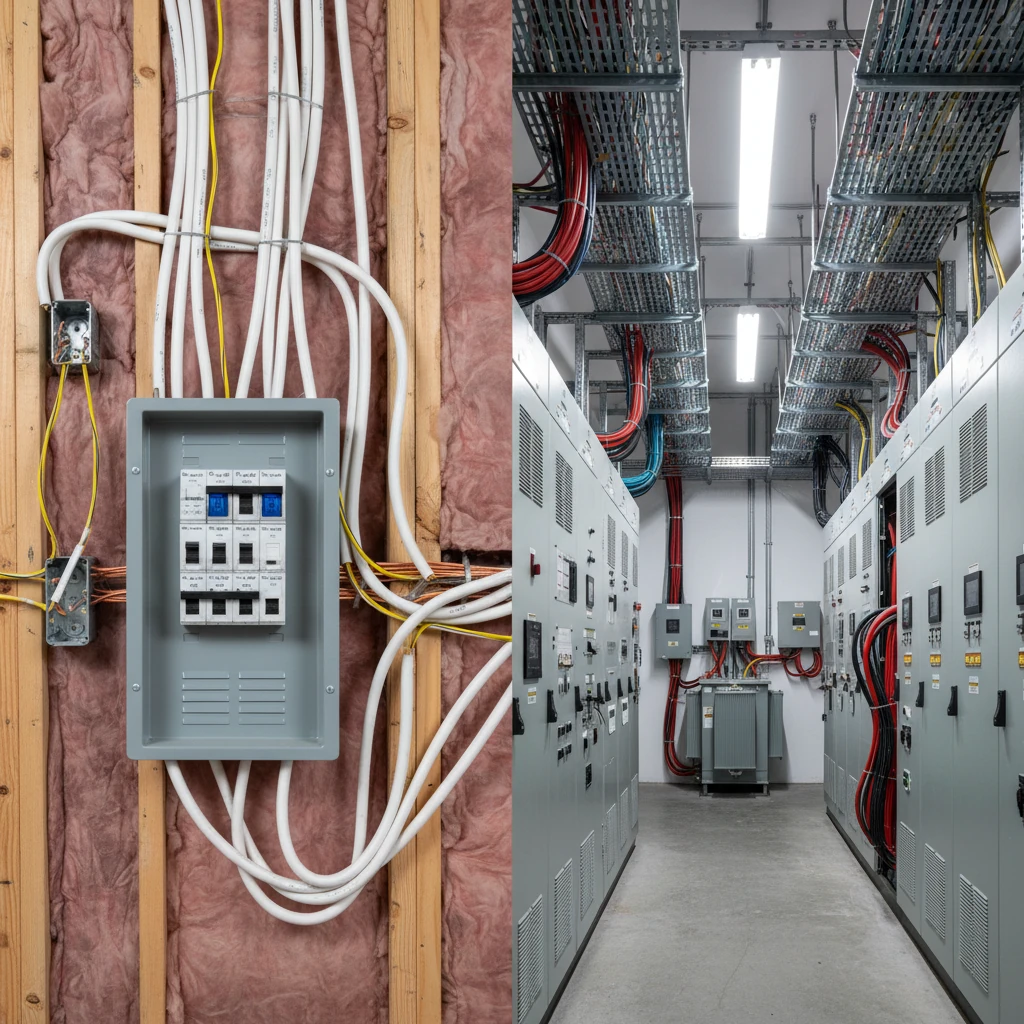
Key Components and Technical Standards in Commercial Electrical
Wiring Systems and Distribution
Commercial systems rely on durable, adaptable wiring methods designed for safety and scalability.
You’ll most commonly find:
- EMT (Electrical Metallic Tubing): Highly used for offices, retail, and exposed indoor runs due to its robustness and ease of installation.
- FMC, RMC: Ideal for areas demanding extra flexibility (FMC) or protection in outdoor, mechanical, or hazardous settings (RMC).
- MC/MI Cable: Perfect for quick retrofits and spaces needing high fire resistance (e.g., hospitals, kitchens).
- Busways and Cable Trays: Efficient for large open areas like warehouses, making long-distance power distribution organized and accessible.
Unlike residential setups, commercial wiring almost always uses three-phase systems (such as 3-phase 240V) to handle the high voltage and demanding loads of today’s operations.
Grounding and bonding are non-negotiable for safety—protecting lives, property, and critical operations.
Picture this: A technician running conduit along the ceiling of a manufacturing floor, carefully selecting materials that keep power safe and reliable despite dust, vibration, or water exposure.
Best practice: Only use materials listed for Canadian/NEC code compliance; avoid shortcuts with “one-size-fits-all” wiring.
Load Calculations and Panel Sizing
Sizing panels isn’t guesswork—done wrong, it risks downtime and insurance failures.
Every commercial project starts with precise load calculations. That means tallying up HVAC, heavy machines, computers, lighting, and factoring planned growth. NEC Article 220 (becoming Article 120 in 2026) and the Ontario Electrical Safety Code require these calculations for compliance.
Panels need to be:
- Scalable (with space for future circuits)
- Robust enough for large, variable loads
- Mechanically protected against overload (via code-rated breakers and switches)
Shareable quote: “A well-sized panel means fewer costly upgrades and more uptime—think years, not months, ahead.”
Circuits, Outlets, and Control Systems
Commercial spaces demand specialty circuits and smart controls tailored to risk and productivity.
Key essentials:
- Dedicated circuits for high-load work zones (kitchens, labs, workshops)
- GFCI/AFCI protection everywhere moisture or arc hazards are present
- Timers, PLCs, relays, and building management integration—turning lights off automatically, triggering system shutdowns, or maintaining critical process controls
Imagine walking through a facility where panels, outlets, and controls are logically placed for zero waste and quick troubleshooting.
Quick tip: “Failing to design for control means failing to design for safety.”
Lighting, Emergency, and Auxiliary Power
Modern lighting is about efficiency, code, and safety—never just brightness.
Key features:
- LED retrofits, motion sensors, daylight harvesting: Drives down costs while boosting comfort
- Emergency lighting/exit signs: Required by Ontario and national code for all egress paths, tested monthly for compliance
- Backup power: UPS and generators keep essential services running during grid failures—a necessity for healthcare, manufacturing, and food service
When auditors visit, they’ll spot-check your emergency lighting and backup readiness—noncompliance can stop operations instantly.
Visualize a warehouse lighting upgrade: old fluorescents switched for smart LEDs, bill savings starting day one.
Reliable, code-driven design isn’t just recommended—it’s expected in Ontario’s commercial sector.
“In commercial settings, safety works in the dark—make sure your power never does.”
—
Well-designed commercial electrical systems always build in safety, efficiency, and code compliance from the ground up. Whether planning your next project or tackling upgrades, focus on future-proof materials, accurate sizing, and proven safety standards—these details will save you time, money, and potential headaches for years to come.
Distinctions Between Commercial and Residential Electrical Work
System Complexity and Scale
Commercial electrical systems are all about scale and efficiency. Unlike the single-phase power used in homes, commercial properties rely on three-phase electrical distribution to support everything from massive HVAC systems to industrial machinery.
Picture this: a retail plaza powers hundreds of lights, security cameras, and commercial ovens simultaneously—demands that would overwhelm typical residential wiring in seconds.
The real-world impact?
- Three-phase systems boost efficiency by up to 30% compared to single-phase, reducing electrical loss and supporting continuous, reliable operation.
- Commercial wiring includes larger conduits, busways, and multiple distribution panels, far beyond the needs of a standard home.
- Detailed schematics and load calculations—often spanning dozens of pages—are standard for commercial builds, where future expansion and code compliance are non-negotiable.
“Three-phase service is the heartbeat of Ontario’s commercial buildings—delivering stable, efficient power you can count on, shift after shift.”
Professional Roles and Training
Working on commercial sites demands more than just technical skill; it’s about leadership, collaboration, and continuous education.
Licensed commercial electricians in Ontario must:
- Complete apprenticeship and Red Seal certification, requiring thousands of on-the-job hours.
- Stay current with Ontario Electrical Safety Code updates and advanced safety training every year.
- Lead teams, coordinate with general contractors, and read detailed blueprints—tasks rarely needed in home settings.
- Oversee installations in complex settings: think data centers, hospitals, or multi-unit retail, each with strict inspection checkpoints.
A typical day? Managing a building-wide shutdown for panel upgrades, running a final safety check, then discussing system resilience with property managers.
“Commercial projects are team sports—requiring electricians who can communicate, problem-solve, and lead from the front line.”
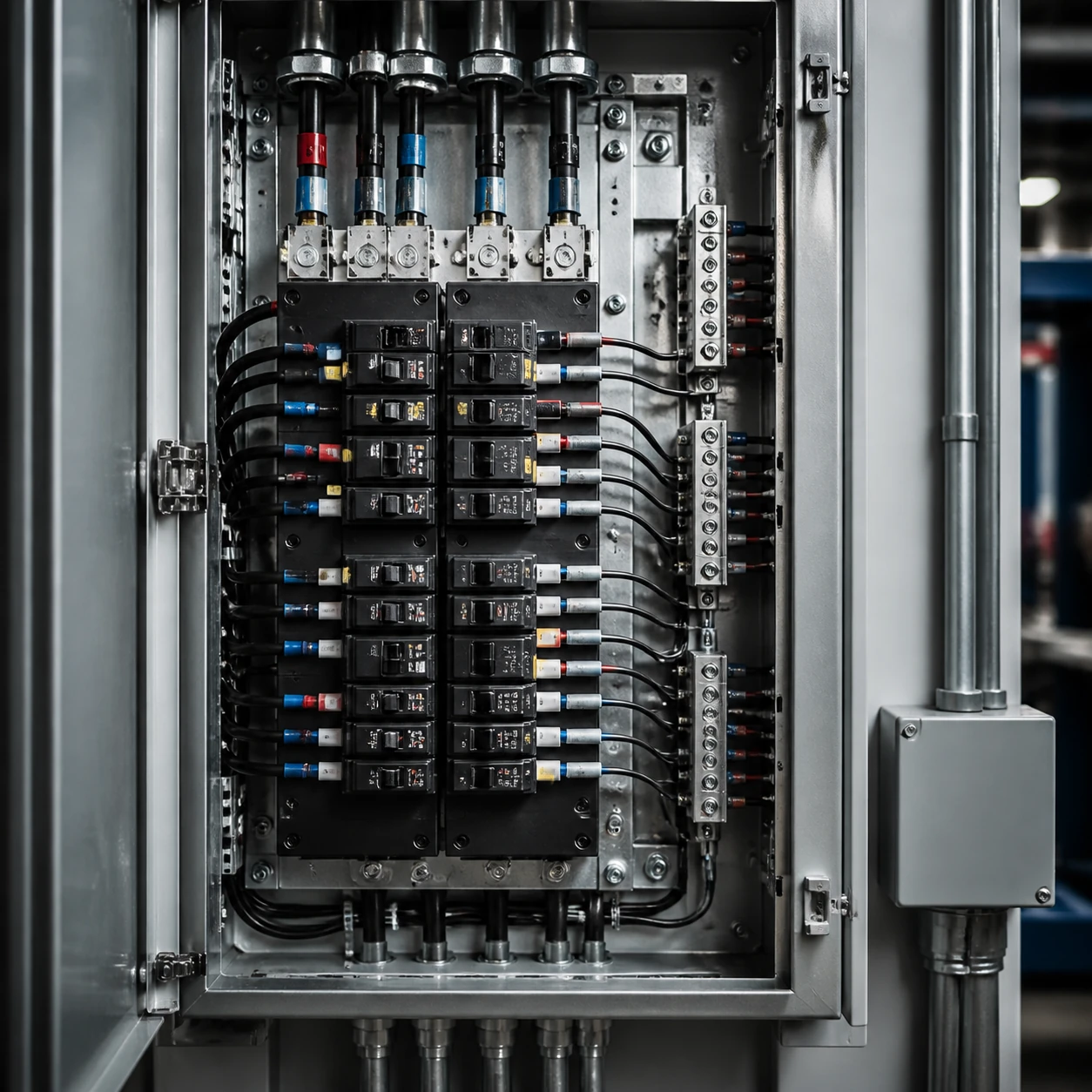
What Sets Commercial Electrical Apart
The difference isn’t just voltage—it’s vision, precision, and accountability.
- Commercial projects mean bigger stakes: more people, equipment, and safety protocols.
- Qualified electricians bring not just tools, but a deep knowledge of regulatory demands, system longevity, and seamless teamwork.
For any Ontario property manager or builder, the biggest ROI comes from partners with a proven commitment to quality, compliance, and client focus—hallmarks of truly professional commercial electrical work.
Every upgrade or install should be future-ready, safe, and handled by the region’s most trusted experts.
Essential Codes, Compliance, and Safety Considerations
Regulatory Environment and Local Adaptations
Staying compliant in commercial electrical work means more than just following a checklist—it’s about understanding the codes that power Ontario’s safety standards.
The backbone includes:
- Ontario Electrical Safety Code (OESC)
- National Electrical Code (NEC; updated every 3 years with major shifts expected in NEC 2026)
- IECC and ASHRAE 90.1 for commercial energy and lighting standards
Local amendments make a difference: NYCECC 2026 or CA Title 24 can change everything from lighting controls to efficiency requirements. Picture this: a Toronto office tower must comply not only with the OESC, but also with custom city approvals and specific permit checklists before the first breaker is installed.
Licensed electricians must:
- Obtain the right permits for every major upgrade or install
- Pass mandatory inspections at key project stages
- Document all work for future audits
“Compliance isn’t a suggestion in Ontario—it’s what keeps the lights on and businesses protected.”
Safety Standards and Best Practices
When lives and property are at stake, Ontario insists on safety every step of the way.
Key pillars include:
- Grounding and bonding every circuit to prevent dangerous faults
- Installing overcurrent protection (breakers or fuses) to stop overloads instantly
- Using arc-fault devices where code demands—especially for high-risk circuits
Fire safety is a core concern, so regulations call for:
- Fire-resistant wiring and panels in hospitals, kitchens, and hazardous zones
- Special shielding or enclosures for sensitive or flammable settings
Always hire a licensed, qualified commercial contractor—not just for skill, but for their active liability coverage and code expertise. One wrong panel choice can mean project shutdown or, worse, major safety risks.
Imagine a busy restaurant: GFCI outlets in every prep area, emergency lighting on dedicated circuits, and all documented for fire department review.
“Professional electrical work isn’t just about passing inspection—it’s about protecting people, investments, and reputations.”
Takeaway
Ontario’s commercial electrical codes demand more than expertise—they demand accountability. Review permit checklists, follow licensed contractor requirements, and never compromise on grounding, fire protection, or code documentation. That’s how you keep every project, and everyone involved, safe and compliant—today and into 2026.
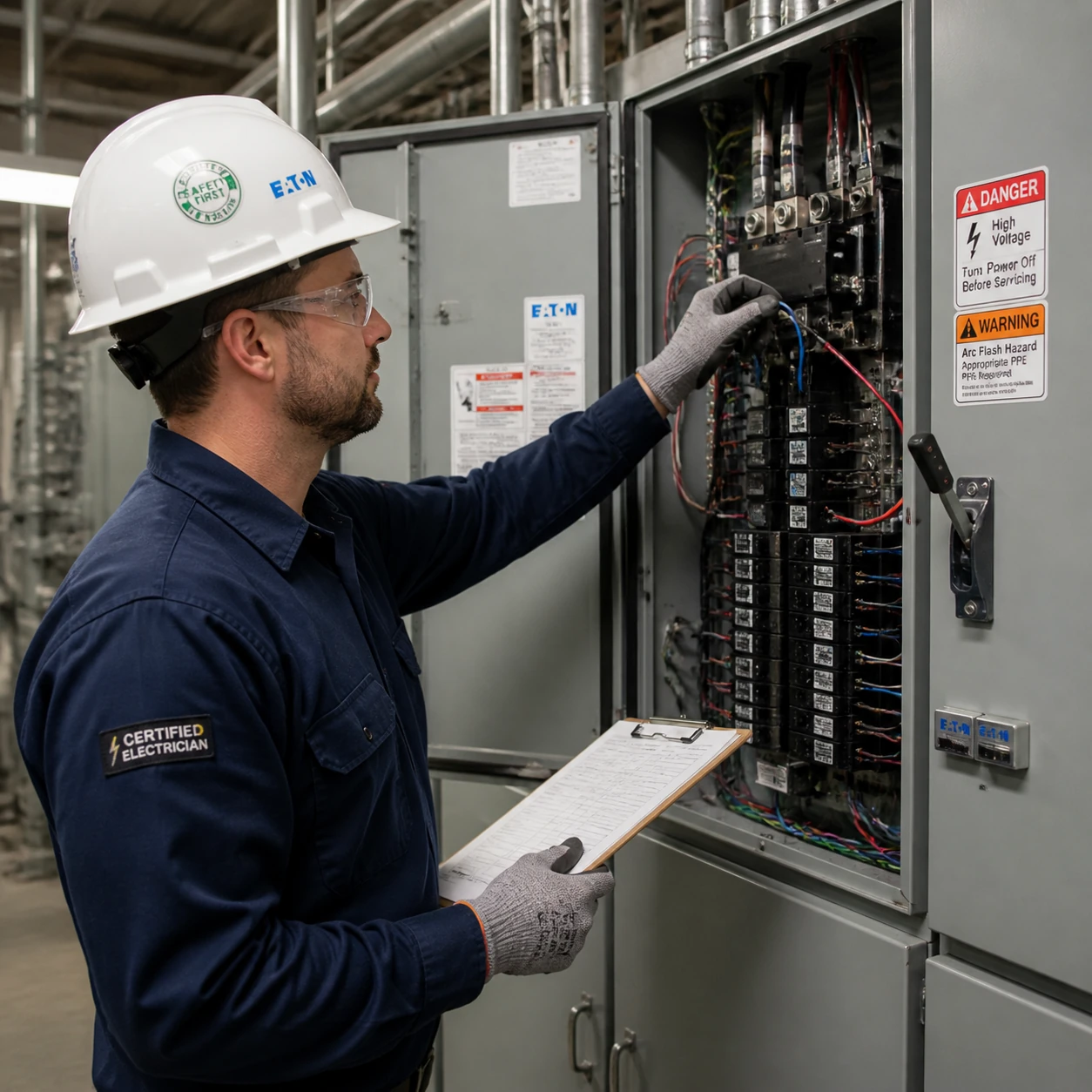
Typical Applications and Project Scenarios
Commercial Sectors Served
Commercial electrical installations extend far beyond basic power delivery—you’ll find precision engineered solutions in every sector.
Picture this: a newly built office with smart lighting systems, data cabling for flexible workspaces, and EV charging infrastructure for employees.
In healthcare and industrial environments, specialized wiring—like fire-rated cables and shielded power systems—keeps life-safety equipment running and sensitive machines protected from interference.
Food service and restaurants rely on dedicated high-load circuits for ovens and refrigerators, plus emergency shut-offs for safety and compliance.
For warehouses and manufacturing facilities, scalable busways, robust motor connections, and automated lighting controls ensure round-the-clock reliability and energy efficiency.
- Offices & Retail: Smart LED lighting, occupancy sensors, structured data/comms wiring, EV charging stations
- Healthcare & Industrial: Fire-rated/armored cabling, shielded low-voltage systems, programmable controls
- Food Service: High-capacity circuits, GFCIs, quick-access emergency shut-offs
- Warehouses/Manufacturing: Busways, three-phase motor drops, heavy-duty panels, zone lighting systems
“Top-tier commercial projects are never one-size-fits-all—every environment demands a unique power strategy.”
Project Life Cycle
Every commercial electrical project follows a clear lifecycle, ensuring safe, compliant, and future-ready outcomes.
Starting from the planning and design stage, detailed schematics are created to address code requirements, load demands, and scalability for future growth.
Most projects unfold in phases:
- Initial Planning: Consultation, code analysis, and load calculation
- New Construction: Full system layout, panel installation, comprehensive wiring
- Expansion/Upgrades: Adding circuits, upgrading to LED, enhancing automation controls
- Preventive Maintenance: Regular inspections, thermal scanning, emergency repair readiness
Large-scale upgrades, like panel modernization or LED retrofits, can bring energy savings up to 30% or more according to current retrofit statistics.
For clients, that means lower operating costs, fewer safety issues, and easier compliance when standards (like the NEC or Ontario Code) evolve.
“Preventive maintenance isn’t just smart—it’s business critical, avoiding costly downtime and ensuring year-round safety.”
Quick Takeaways You Can Use
- Always engage licensed professionals for commercial work—Ontario electrical code compliance is non-negotiable.
- Project life cycles involve collaboration, future-proof planning, and rigorous testing at every phase.
- Preventive care ensures peak performance and long-term savings.
The bottom line: Commercial electrical projects shape business safety and productivity. Knowing the typical applications and workflow means your next project starts informed, stays compliant, and finishes strong.

Commercial Electrical Service Offerings and Common Projects
Essential Services Every Business Needs
When it comes to commercial electrical work, choosing the right service means investing in long-term safety, scalability, and code compliance.
From the ground up, today’s most in-demand offerings include:
- Full electrical design and installation for new commercial builds, offices, and expansions
- Panel upgrades and power distribution reconfiguration for growing businesses
- Comprehensive energy audits with LED lighting retrofits, often saving up to 30% on power costs
- Specialty solutions like EV charging stations, backup generators, and advanced building automation systems
Busy managers and owners are looking for solutions that make their spaces safer and more efficient, meeting 2026 code updates and sustainability mandates.
“Picture this: a busy restaurant that needs to upgrade its kitchen circuits for new equipment, or an office converting its old fluorescent lights to high-efficiency LEDs with zero downtime.”
What Do Real Projects Look Like?
Our team brings advanced electrical services to life across Ontario.
Recent commercial project highlights include:
- Modern office retrofit: Added smart lighting controls and energy monitoring to create a flexible, safer workspace
- Warehouse panel upgrade: Increased capacity for heavy machinery, installed new busways, and improved fault protection
- Restaurant fit-out: Dedicated high-load circuits to support kitchen gear, fire-rated cabling, and upgraded emergency lighting
- Healthcare expansion: Installed shielded wiring, surge protection, and backup power for sensitive patient equipment
Every job includes a strong focus on code compliance, real-world safety upgrades, and thoughtful planning for future tech adoption.
“Each project isn’t just about wires and panels—it’s about protecting your investment and powering business reliably.”
Fast Facts and Memorable Takeaways
- Energy-efficient upgrades can deliver ROI within 2-3 years due to reduced energy bills and maintenance
- Commercial EV charging and automation retrofits are among 2026’s fastest-growing requests
- All work is completed by fully licensed, insured teams with Ontario Electrical Safety Code compliance at every step
Explore even more examples and get answers to common service questions on our deep-dive subpages: “Most Common Commercial Electrical Services Explained” and “3-Phase 240V: Applications.”
High-quality commercial electrical services aren’t just a technical upgrade—they’re an investment in safety, efficiency, and business continuity for years to come.
Trends and Innovations in Commercial Electrical (2026)
Smart Controls, Automation, and Monitoring
Every major commercial space in Ontario is feeling the surge of smart technology—from intelligent lighting to building-wide automation systems.
Picture this: a downtown office where sensors dim the lights and optimize HVAC settings as soon as the last employee leaves a conference room.
Key developments making headlines right now:
- Smart controls that automatically reduce energy consumption, with projected savings of up to 30% per building (IECC, 2024 stats)
- Remote monitoring platforms that let property managers check electrical systems and spot faults from any device
- Seamless integration of building management systems (BMS) that tie lighting, climate, and security into one sleek interface
“Reliable power is the foundation of Ontario’s businesses—and in 2026, it’s smart, connected, and always evolving.”
Powering the Shift to Sustainability
New codes and client expectations are transforming how commercial properties use and generate energy.
You’ll see more:
- Mandated LED retrofits and high-efficiency lighting—often required for code compliance and offering an average 50% reduction in lighting energy costs
- Renewables integration with solar panels and energy storage, as 61% of businesses plan upgrades by 2026 (Roman Electric’s 2024 report)
- Widespread deployment of EV charging stations in new builds and major retrofits
On the ground, that could mean a restaurant adding fast EV chargers out back, or a warehouse installing battery backup for peak demand periods.
“Ontario businesses aren’t just keeping the lights on—they’re planning for a zero-emissions future.”
Preparing for Tomorrow: Codes, Digital Loads, and Flexibility
Staying compliant is getting more complex as codes evolve; the NEC’s next major update lands in 2026, with Ontario’s Electrical Safety Code updating in parallel.
Essential trends to watch:
- Stricter energy standards, new emergency power rules, and expanded data system demands for the cloud-powered workplace
- Building for adaptability—allowing for tech upgrades, added circuits, or future renewable connections without starting from scratch
Industry leaders are building electrical systems that don’t just meet 2026’s needs—they’re “future-proofing” for the fast-moving changes ahead.
For those planning a project now, the biggest takeaway is this: Investing in smart, flexible, and compliant electrical infrastructure today is the surest way to meet tomorrow’s demands—safely and reliably.
If you’re planning upgrades or need expert help, explore our commercial electrical services.
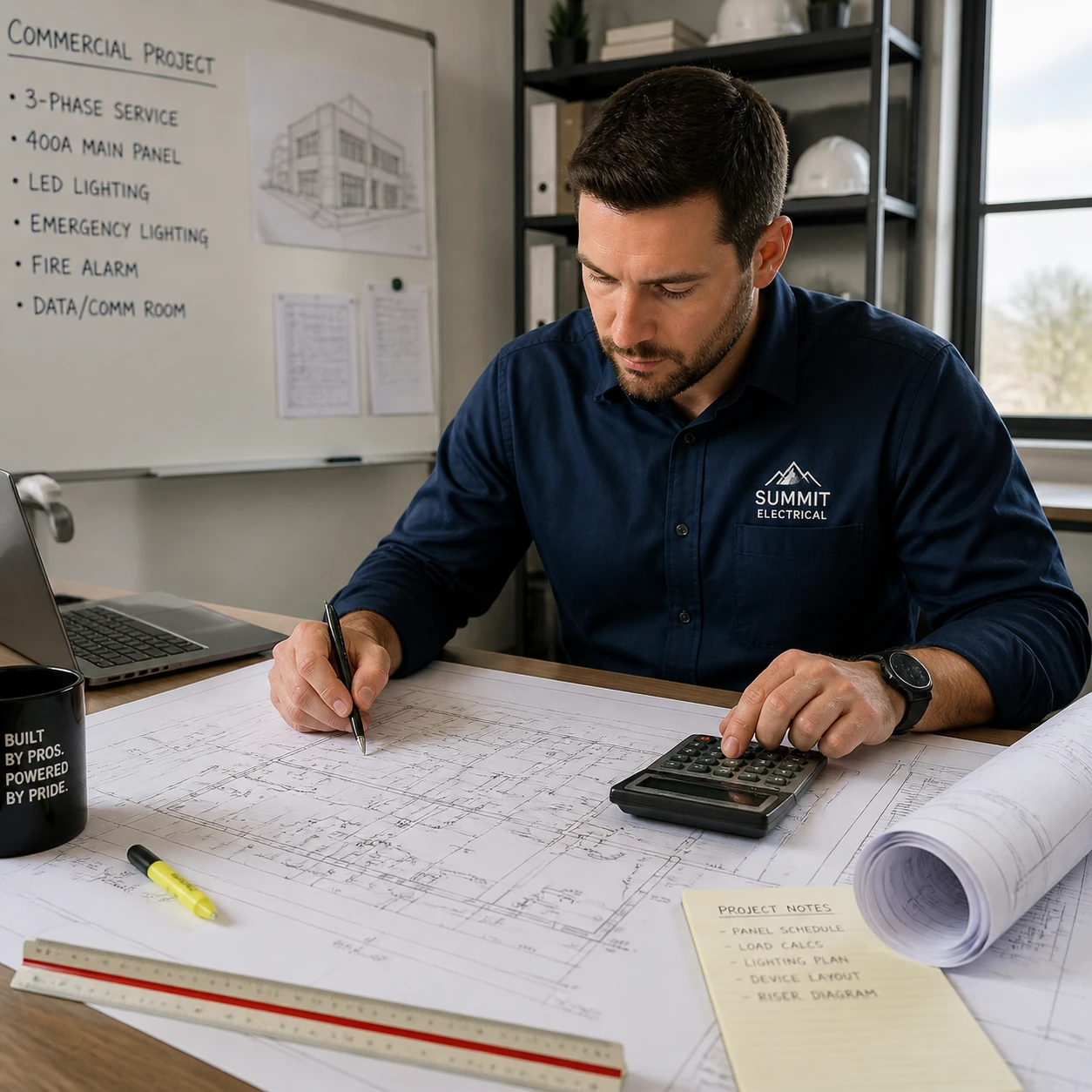
Cost Factors and Pricing for Commercial Electrical Work
Hourly Rates and Pricing Structures
Commercial electrical pricing in Ontario is shaped by several core models: hourly rates, fixed per-project fees, and ongoing maintenance contracts.
- Hourly rates typically range from $90–$150+ per licensed electrician, reflecting experience, project scope, and certification.
- Flat-rate/project pricing is common for large-scale upgrades or new installations, where complexity and system size drive costs.
- Maintenance contracts provide routine inspection and emergency response, often billed monthly or annually for ongoing reliability.
Top cost drivers to consider:
- Project complexity: The more intricate the electrical system or code compliance, the higher the cost.
- Material quality and quantity: Industrial-grade panels, three-phase wiring, and advanced automation will impact price.
- Building size and load requirements: A single retail space is far less demanding—and less costly—than a multi-storey office or manufacturing hub.
- Specialty services: EV charging, generator integration, and energy audits carry a premium.
- Compliance needs: Projects demanding permits, inspections, and code upgrades often require both time and specialized expertise.
“Think of every line item as a layer of protection for your business—safety, performance, and future reliability are all built into the upfront price.”
—
Regional Variations and 2026 Outlook
Pricing trends vary across Ontario, influenced by local economic conditions, energy codes, and workforce supply.
- Urban centres: Expect rates to trend towards the higher end due to demand and tight code enforcement.
- Rural or industrial zones: Slightly lower hourly costs, but supply-chain issues can increase material expenses.
- 2026 predictions: Supply costs for copper and conduit are up 12% since 2022, while demand for skilled electricians remains high—putting upward pressure on both hourly rates and project fees.
Investing in a licensed, reputable contractor is essential:
- Ontario regulations require all commercial electrical work to meet stringent safety codes—hiring a non-licensed provider risks heavy fines, failed inspections, or worse, liability in case of safety incidents.
- “Cutting corners in electrical is never worth the risk—choose licensed professionals for long-term compliance and peace of mind.”
- See “How to Price Commercial Electrical Work Per Hour” for more on setting realistic budgets.
—
To get accurate budget numbers, request a detailed, line-item estimate that reflects your unique project needs.
Today’s rates reflect both rising material costs and the true value of trusted expertise.
“Electrical work is not just about wires and panels—it’s about keeping your people, property, and future safe.”
Frequently Asked Questions About Commercial Electrical
Curious about commercial electrical systems in Ontario? Here’s what homeowners, property managers, and business owners ask us most—and what you need to know now.
What’s the main difference between commercial and residential electrical systems?
- Commercial projects use three-phase wiring to safely manage higher loads for heavy equipment, HVAC, and lighting.
- Residential wiring is often single-phase and handles much lower power demands.
- Ontario requires detailed plans, permits, and strict compliance with the Electrical Safety Code for non-residential buildings.
“A commercial electrical system is built for power, scale, and continuous reliability—not just the lights and outlets you find at home.”
When do I need to upgrade my building’s electrical panel?
- Upgrades are essential if adding new equipment, expanding your space, or facing frequent breaker trips.
- Ontario’s commercial codes require panels sized for current demand and future growth—often reviewed per NEC Article 220 moving to Article 120 in 2026.
- Plan upgrades before installing energy-intensive systems like commercial kitchen equipment, EV charging, or advanced lighting.
Picture this: expanding a retail floor, only to realize your current panel can’t legally or safely handle new display lighting and POS systems. A panel upgrade isn’t optional—it’s code.
Who is qualified to work on my commercial system?
- Only a licensed electrical contractor can legally design, install, or repair commercial systems in Ontario.
- Complexities like three-phase wiring, smart controls, and code-mandated safety devices require expert knowledge and training.
“It’s not just about fixing a switch—your safety, insurance, and long-term costs depend on hiring the right professional.”
What service calls or upgrades are most common in 2026?
- LED retrofit projects for cost savings and code compliance
- New circuit installations for machinery, kitchens, and EV stations
- Annual preventive maintenance and emergency response for electrical faults
Emerging trends: Expect growing interest in building automation, real-time monitoring, and expanded backup power solutions driven by Ontario’s changing codes and energy mandates.
For more detailed answers, see “Introduction to Commercial Electrical Services 2025” or “Types of Commercial Wiring & Wiring Standards”.
When it comes to safety, compliance, and reliable power, the key is simple: always consult a licensed professional who understands Ontario’s electrical codes and commercial demands.
Conclusion
Powering your business the right way starts with understanding what sets commercial electrical systems apart—because in Ontario, safety, efficiency, and future-readiness aren’t just features, they’re industry standards.
Choosing a proven, licensed electrical partner means you’ll navigate changing codes, advanced technologies, and growing demands with clarity and confidence.
—
Key Takeaways:
- Prioritize licensed professionals backed by Ontario Electrical Safety Code expertise—never compromise on compliance or quality.
- Invest in scalable and energy-efficient upgrades like LED retrofits and smart automation for true cost savings and sustainability.
- Plan for tomorrow’s needs by asking about panel capacity, EV charging, and backup power—even if you’re not expanding today.
- Schedule regular preventive maintenance to maximize uptime and minimize risk—your operations and reputation depend on it.
—
Ready to move forward? Take these steps right now:
- Request a site assessment or energy audit from a fully licensed electrical contractor.
- Review your current electrical setup to spot outdated panels or circuits before they cause problems.
- Ask direct questions about code compliance, expansion options, and how your system can best support new technology.
—
When you put electrical safety and innovation first, you’re not just connecting wires—you’re building lasting value and resilience for your business.
“Every great project is powered by expertise, trust, and the drive to do things the right way. Make your next move a safe one—choose quality, and power Ontario’s future with confidence.”