
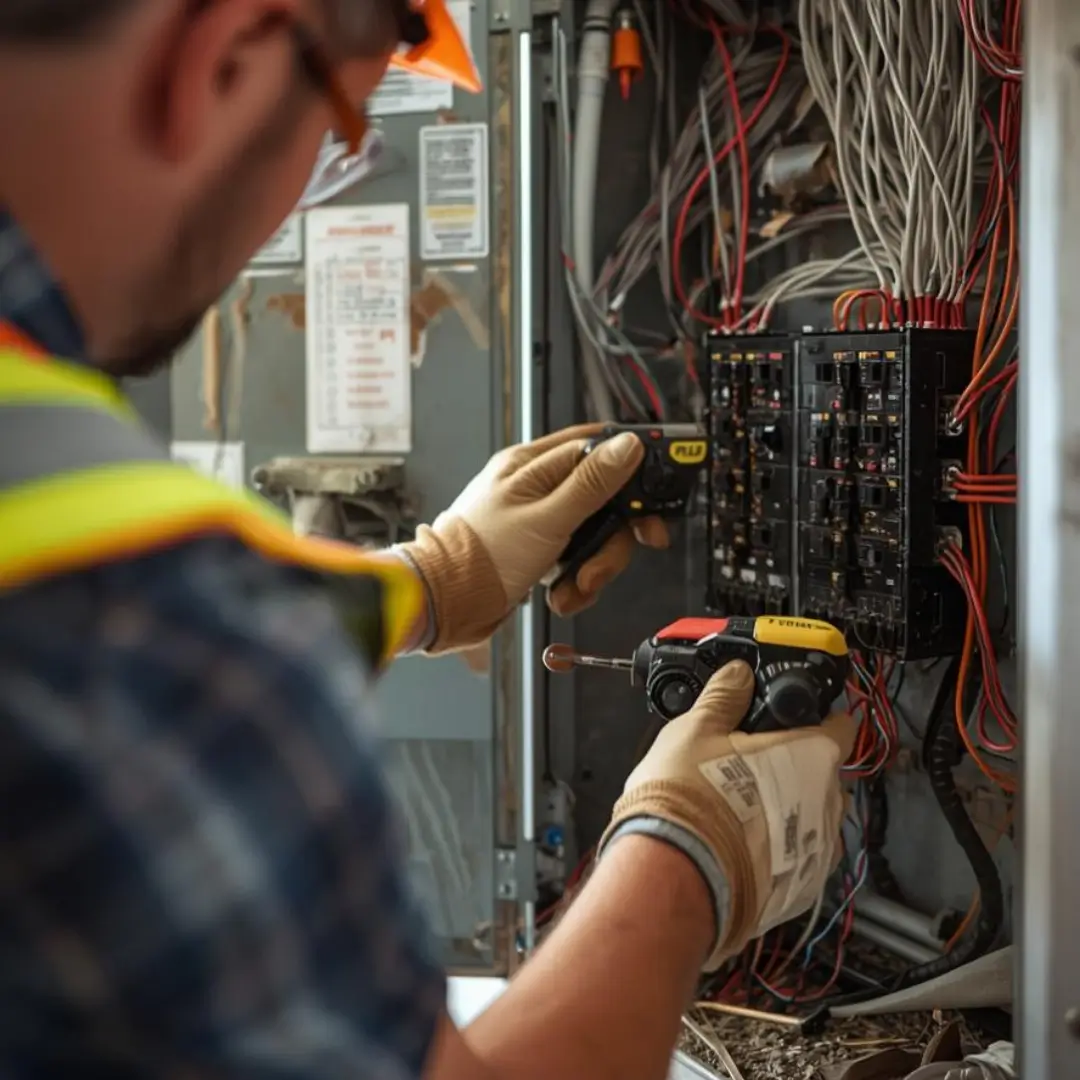
Key Takeaways
Protecting your Ontario home means putting electrical safety first—every time. Here are the most important, actionable strategies you can implement right now to keep your family, property, and investment secure and up to code.
- Always comply with Ontario’s Electrical Safety Code to avoid fines, denied insurance claims, and increased fire risk—professional permits and inspections are non-negotiable for major work.
- Recognize early warning signs—flickering lights, tripped breakers, or warm outlets mean it’s time to call a licensed electrician and prevent costly hazards.
- Balance circuit loads and install GFCIs in kitchens, bathrooms, laundry rooms, and outdoors—doing so can cut your risk of electrical shock or fire by over 50%.
- Test power before you work—always shut off circuits at the panel and verify with a voltage tester to eliminate hidden dangers before any DIY project.
- Choose high-quality, CSA-approved materials and secure connections; substandard wiring and loose fittings are responsible for 40% of Ontario’s home electrical fires.
- Childproof outlets and educate your family—install covers or tamper-resistant receptacles to block access, and teach kids to avoid plugs and cords from day one.
- Prioritize outdoor and moisture protection—use weatherproof outlet covers, outdoor-rated wiring, and never use extension cords as permanent solutions, even in garages or yards.
- Schedule regular professional inspections and prompt upgrades—routine checks catch hidden hazards early, while an outdated panel or old wiring is an urgent signal for a pro assessment.
Putting these measures in place delivers long-term reliability, peace of mind, and a safer home—explore the full guide for step-by-step how-tos and expert insights from Ontario’s trusted electrical leaders.
Introduction
What’s the most common cause of home electrical fires in Ontario? It’s not old wiring or faulty panels—it’s skipping crucial Safety Measures in Residential Electrical Work that turn everyday routines into hidden risks.
Imagine relaxing in your living room, confident that every switch and outlet is quietly protecting your loved ones. Unfortunately, the reality is stark: nearly 1 in 10 home fires reported to Canadian fire departments begin with electrical issues—often from preventable mistakes. That’s why understanding true safety in residential electrical work isn’t just important—it’s essential for anyone who owns, manages, or renovates a home.
The trouble is, electrical hazards don’t wave warning flags. Flickering lights or overloaded circuits seem minor, but they can signal issues that put both property and lives in jeopardy. That’s why routine checks and strict adherence to Ontario’s electrical safety codes are more than just good habits—they’re your first line of defense.
In this guide, you’ll gain:
-
Clear strategies for identifying early warning signs of electrical trouble
-
Best practices for compliant wiring, circuit protection, and safe DIY procedures
-
Practical tips on preventing the top causes of electrical fires—from outlet safety to GFCI requirements
-
Advice on when to call a licensed pro, and how professional inspections cut your risks in half
-
Smart ways to build a safety-first culture at home, including actionable steps for protecting children and family members
As our team at Padi Electric sees every week, proactive, code-driven Safety Measures in Residential Electrical Work protect not just your house, but the people inside it—especially in a region as weather-diverse and regulation-focused as Ontario.
Ready to make every switch and outlet in your home a foundation for genuine peace of mind? Let’s explore the core principles that keep Ontario homes powered the right way—and safer for everyone who walks through your door.
Core Principles of Electrical Safety in Residential Settings
Picture this: a family unwinding at home, feeling secure—because behind every light switch and outlet, safety protocols are hard at work. At Padi Electric, every project is built on a commitment to Ontario’s electrical safety codes, integrity, and accountability.
Routine electrical work protects more than property value—it safeguards lives. Research shows that electrical failures cause nearly 1 in 10 home structure fires reported to Canadian fire departments. That’s why proactive safety is non-negotiable.
Understanding and Identifying Hazards
The first step to safety is simple: recognize common electrical dangers, which include:
- Overloaded circuits (too many devices plugged into one circuit)
- Improper DIY repairs (non-compliant fixes or shortcuts)
- Exposed or frayed wiring
- Outdated equipment (old panels, ungrounded outlets)
Quick tip: If you spot flickering lights or frequently tripped breakers, these are more than annoyances—they’re urgent signals for attention.
“If it sparks, buzzes, or overheats, don’t ignore it. Safety starts with what you see and hear.”

Risk Management and Legal Compliance
Legal obligations aren’t just red tape—they’re a safety net:
- Ontario’s Electrical Safety Code sets benchmarks for installations and repairs
- Permits and inspections aren’t optional for most major work
- Only licensed electricians can legally perform many tasks
- Up-to-date codes reflect the latest safety learnings—what was safe 10 years ago may not protect your family today
Without compliance, homeowners risk invalidating insurance or facing costly fines—AND potential harm.
The Role of Licensed Professionals
A licensed electrician does more than wire your home—they identify hidden dangers, recommend upgrades, and ensure everything complies with local standards. The right professional transforms risk into reassurance.
Memorable stat: Professional inspections cut the risk of electrical fire in half—and protect your investment for years to come.
Building a Safety-First Mindset
Every safe home relies on constant vigilance:
- Teach your family basic electrical hazard awareness
- Schedule regular checks—never treat “minor” issues as “normal”
- Make it a habit: pause, assess risk, and call an expert if in doubt
When it comes to home safety, “choose caution over convenience, every single time.” Prioritizing electrical safety is about protecting what matters most—your family, your peace of mind, and your Ontario home.
Regulatory and Code Compliance for Home Electrical Work
Keeping your home’s electrical system safe isn’t just a good idea—it’s the law in Ontario. The Ontario Electrical Safety Code (OESC) sets the foundation for every residential project, whether you’re upgrading outlets or rewiring an entire home. Failing to comply doesn’t just risk shock or fire—it can mean fines, insurance trouble, and voided warranties.
Why Compliance Is Non-Negotiable
Think of the OESC as the playbook for household safety, updated every few years to match new tech and real-world challenges. Projects that ignore code are a leading cause of electrical fires, costing Ontario homeowners millions annually.
The code covers:
- Wiring standards: Approved materials, correct gauges, safe connections
- Circuit protection: Proper use of breakers, fuses, and GFCIs
- Permits & approvals: Which jobs need municipal permits, and when inspections are legally required
For example, recent OESC updates now require GFCI protection in all bathrooms and kitchens—small details with major impacts on family safety.
Legal Responsibilities for Every Property Owner
Homeowners, contractors, and property managers are legally responsible for making sure all electrical work follows the OESC. This means:
- Pulling permits for major installations, renovations, or additions
- Scheduling inspections at key project stages
- Documenting licensed contractor involvement for insurance and resale value
Picture this: updating your panel without a permit could mean losing coverage in case of a fire—even if the actual work seems solid.
Permitting, Inspections, and Real-World Consequences
Skipping permits or inspections is risky. Here’s what could happen:
- Fines: Penalties for unauthorized work start at $360 per infraction in Ontario
- Insurance claims denied: Non-compliant work voids many home insurance policies
- Fire risk: Illegal or DIY repairs are a leading cause of avoidable house fires
A simple call to a licensed electrician guarantees not just code compliance, but peace of mind and a safer home environment.
Staying compliant with Ontario’s electrical codes protects your family, your property, and your investment—while avoiding costly mistakes. Keeping up with code changes and always using licensed professionals are two steps homeowners can take today for lifelong safety.
Power Management and Circuit Protection Best Practices
Balanced Power Distribution for Home Safety
Managing electricity safely starts with balanced power distribution throughout your home.
Picture this: running a toaster, kettle, and space heater on the same circuit during a busy Ontario morning. It’s a shortcut to a tripped breaker—or worse, a fire hazard.
Homeowners should:
- Map out appliances on each circuit
- Avoid plugging multiple heat-producing devices into the same outlet
- Know that power strips don’t increase total circuit capacity—they only add outlets
Reaching for extension cords every day? That’s your cue to call a professional and discuss adding circuits or outlets.
“A single overloaded circuit can turn even a modern kitchen into a risk zone.”
Spotting and Preventing Overloads
Overloaded circuits are among Ontario’s most common causes of residential electrical fires.
Here’s what to watch for:
- Repeatedly tripped breakers
- Flickering or dimming lights
- Outlets or plugs that feel warm to the touch
To reduce risk, always check:
- Each circuit’s maximum load (typically 15 or 20 amps for most homes)
- That all circuits powering major appliances—like the dryer, oven, or AC—are dedicated
Investing a few minutes to balance loads isn’t just smart—it keeps your home within safety code and avoids the top insurance claim for electrical damage.
“If your lights dim when you turn on the microwave, your circuits are calling for a safety check.”
Circuit Breakers, Fuses, and Surge Protection Devices
Circuit breakers and fuses are the frontline defense against electrical overload.
Key steps for reliable protection:
- Match breaker size to circuit load—never “upgrade” a breaker rating as a fix for tripping
- Test breakers monthly
- Ensure fuse types and sizes conform to Ontario code
- Use surge protection devices to safeguard electronics from voltage spikes
Surge protectors are essential for home offices and entertainment areas, especially during storm season or in neighbourhoods with frequent outages.
“A well-maintained breaker panel is the silent guardian of your home’s electrical safety.”
Recognizing Early Warning Signs
Stay alert for these common warning signals:
- Breakers that trip “for no reason”
- Persistent flickering lights
- Buzzing sounds from panels or outlets
Any of these symptoms means it’s time to call a licensed electrician for a thorough check. Ignoring them can result in fire, damaged property, or costly downtime.
A home that’s wired correctly and protected by the right devices lets you power your daily life with confidence—Ontario code-compliant and worry-free.
Your best protection against circuit hazards? Proactive checks, prompt upgrades, and calling in a pro when loads—or warning signs—start piling up.
Safe Procedures Before Beginning Electrical Work
Starting any electrical project safely begins with three non-negotiables: turning off the power, verifying it’s truly off, and protecting yourself every step of the way. Electrical incidents in Ontario homes are almost always preventable by following these simple, consistent protocols.
Step 1: Shut Off Power at the Source
Before touching a single wire, always power down at the main circuit breaker or fuse box.
- Label breakers clearly so you know which circuit serves which area.
- Flip the switch fully to the “OFF” position—never assume a light switch controls the power source.
- For repairs to outlets or fixtures, unplug the appliance or lamp first, then cut power at the panel.
“A flipped switch can prevent a lifetime injury—never skip this step.”
Step 2: Use and Verify a Voltage Tester
Eliminate guesswork: always test before you touch.
- Choose a quality voltage tester and inspect it for damage.
- Test the tester first on a known live circuit to confirm it’s working.
- Hold tester probes to the wiring or terminal—a zero reading means power is off.
- Repeat at several nearby points to be certain.
Picture this: you double-check with a voltage tester and catch an unexpected live wire before starting work.
Step 3: Know When to Call a Pro vs. Safe DIY
DIY is only safe if you honestly know your limits.
- Complex jobs (panel upgrades, rewiring, new circuits) require a licensed Ontario electrician—no exceptions.
- Safe DIY: replacing light fixtures, switches, or outlets (after confirming power is off).
- When in doubt, pause and consult a professional; Ontario law requires compliance with the Electrical Safety Code for most significant work.
“Trusting your limits keeps both your family and home safe from hidden dangers.”
Step 4: Equip Yourself With PPE
Personal protective equipment is your frontline defense.
- Wear rubber-insulated gloves, non-conductive shoes, and snug, nonmetallic clothing.
- Put away metal jewelry, watches, and change.
- Use insulated tools and, whenever possible, work with one hand—this reduces the risk of current passing through your body.
Step 5: Develop a Safety-First Mindset
Before every project, take moments to assess:
- Identify hazards—including possible water leaks, pests, or hidden wires.
- Set a clear workspace with no clutter or trip hazards.
- Review your tools and procedures for each step.
“An extra two minutes planning can save you hours, dollars, or worse—an injury.”
Following these steps ensures you’ll never have to learn the hard way. Before starting, always double-check, suit up, and if there’s any doubt, call a licensed professional. Ontario’s safety standards exist for a reason—put them first, every time you reach for a wire.
Wiring, Installation, and Material Safety
When it comes to residential electrical safety, the quality of wiring and materials is non-negotiable. Over 40% of Ontario’s residential electrical fires are linked to wiring faults or poor installation, making proactive decisions essential from the start.
Choosing the Right Materials: Why Quality Matters
Picture this: a tangled mess behind a wall panel, aged wires cracking, and outdated connectors barely holding. These are the realities that jeopardize both home safety and property value.
- Use CSA-approved wiring and connectors—they’re required by Ontario code and proven to resist wear, heat, and corrosion.
- Select copper wiring for most home circuits; it’s robust, energy efficient, and lasts decades with proper care.
- Invest in high-grade, certified components—even a basic outlet box upgrade can prevent shorts and overheating.
“Great homes start with great wiring—don’t cut corners where it can’t be seen,” is advice Ontario inspectors give for a reason.
Insulation, Gauging, and Connection: Essentials You Can’t Ignore
Proper wire insulation and gauging form the backbone of a safe electrical system. Faulty gauge selection is a silent hazard—too thin, and wires overheat; too thick, and connections fail.
- Ensure every wire is sized for its load—kitchen and laundry circuits usually require 12-gauge or thicker.
- Only use approved wire nuts or connectors rated for the amperage and wire count.
- Double-check insulation for damage; exposed copper is a top cause of home electrical failures.
“An exposed conductor is an accident waiting to happen—secure every connection like it’s powering your own family.”
Grounding, Bonding, and Neat Organization
Ontario code is clear—every metallic system must be properly grounded and bonded. This isn’t just legal fine print—it’s your best defense against shocks.
- Confirm that all outlets are grounded, especially in garages and outdoor areas.
- Use panel bonding jumpers as required by the Ontario Electrical Safety Code.
- Organize wires neatly using labeled breakers, secured conduits, and no overstuffing in electrical boxes.
Neat panels and clearly labeled circuits aren’t just visually satisfying—they make maintenance faster and emergency shutoffs safer.
When to Replace: Signs of Dangerous Wiring
If you spot any of these issues, act fast—these are signals you need a licensed professional:
- Knob-and-tube or aluminum wiring in older Ontario homes—these are no longer up to code.
- Frayed insulation, scorch marks, or a “burning plastic” scent near wiring or panels.
- Flickering lights or frequent breaker trips (especially with new appliances).
“Old, deteriorated wiring isn’t just obsolete—it’s a blueprint for hidden fire and electric shock risks.”
Staying vigilant with proper materials, secure installation, and routine checks is the best way to protect your family and investment. Quality wiring today keeps tomorrow’s hazards—and headaches—at bay.
Outlet, Switch, and Cord Safety
Start with a Visual Check: Your First Line of Defense
Outlet and switch checks can prevent 70% of electrical fires.
Before you plug in your next device, do a quick scan:
- Look for discoloration, buzzing sounds, or loose faceplates — these are red flags.
- Feel switches and outlets for warmth; anything hotter than room temperature could mean overloaded wiring.
- Touch faceplates with the back of your hand—if they’re warm or buzzing, stop using them and call a licensed electrician.
Visual inspections turn small problems into “catch-it-early” moments rather than emergencies.
Extension Cords: Use, Don’t Abuse
Improper extension cord use is one of Ontario’s top causes of home electrical mishaps.
Keep your family safe by following these best practices:
- Use only properly rated, CSA-approved cords
- Never daisy-chain power bars or extension cords
- Place extension cords where they can’t be tripped over or pinched by furniture
- Major appliances should always plug directly into wall outlets — never into extension cords
Scenario: Picture this—a space heater plugged into an extension cord under a rug. The cord overheats, causing a fire that spreads before anyone can react. One smart cord move can save a home.
Damage, Wear, and Smart Upgrades
Frayed cords, exposed wires, and damaged plugs aren’t just ugly—they’re downright dangerous.
Check all cords for:
- Cracks, nicks, or worn insulation
- Loose or bent prongs
- Cords that feel stiff, hot, or spark when moved
If it’s damaged, unplug immediately and replace—never tape over or “just keep an eye on it.”
Outlet covers and childproofing inserts are a must, especially in homes with young kids—Ontario ERs see dozens of child shock injuries every year from unprotected outlets.
For older homes, upgrading to tamper-resistant outlets and AFCI/GFCI protection can mean the difference between “like new” safety and hidden danger. The cost? As little as $10 per outlet for a safety update.
When It’s Time to Call a Licensed Pro
If you notice:
- Persistent buzzing, crackling, or sparking at outlets or switches
- Discoloration, black marks, or a burning smell
- Switches or outlets that “give” or move when you press on them
Stop using the circuit and schedule a professional inspection—these are the signals you can’t afford to ignore.
A wave of your hand can’t fix electrical risk—sometimes, only a pro can see what’s happening inside the wall.
—
A simple, monthly visual and manual check of outlets, switches, and cords is one of the most effective ways to keep your home safe. If something looks, sounds, or smells “off,” act now—the safest home is always the one you’re willing to check twice.
Water and Moisture Precautions in Electrical Work
Water and electricity simply don’t mix—even a small amount of moisture can turn an everyday appliance into a shock hazard.
In Ontario homes, kitchens, bathrooms, and laundry areas are the most common risk zones.
Picture this: a splash from a kitchen sink lands on an outlet, or condensation builds up around a laundry room plug—these scenarios happen every day, and they’re dangerous.
High-Risk Locations & Everyday Scenarios
Prioritize extra caution in these areas:
- Kitchens: Sinks, dishwashers, countertop outlets
- Bathrooms: Showers, tubs, vanity lighting
- Laundry areas: Washers, utility sinks, wall outlets
It only takes a few drops of water to create a potentially deadly pathway for electricity.
Share-worthy tip: Never touch switches or outlets with wet hands—remind everyone in your home, especially kids.
Appliance Safety Around Water Sources
Appliance misuse is a leading factor in household shocks.
Stay safe by following these habits:
- Unplug small appliances like kettles or hairdryers after use—don’t leave them connected near sinks.
- Keep cords and plugs away from wet countertops and floors at all times.
- Avoid using extension cords or power strips in damp locations.
A real-life Ontario case: homeowners left a toaster beside a leaking window, leading to both a fire risk and a close call with electric shock.
GFCIs: Your First Line of Defense
Ground Fault Circuit Interrupters (GFCIs) are required by Ontario electrical code anywhere outlets are within 1.5 meters of a water source.
GFCIs work by instantly shutting off power if they detect a current leak—they reduce the risk of fatal shock by more than 80% in wet environments.
To guarantee GFCI protection:
- Install GFCI outlets in kitchens, bathrooms, laundry rooms, garages, and all outdoor locations.
- Test GFCIs monthly using the “Test” and “Reset” buttons—replace any that fail to trip.
- Only use units or replacements that feature a CSA or UL mark, and have them installed by a licensed electrician.
Outdoor Outlets & Moisture-Proofing
Outdoor and basement locations require special safeguards:
- Always use weatherproof covers on exterior outlets, even when nothing is plugged in.
- Ensure all wiring for patios, pools, and sheds is outdoor-rated and protected from rain, snow, and condensation.
- For extreme Ontario winters, check outlets after storms for signs of frost or water intrusion.
Shareable insight: “A weatherproof cover is as critical for your patio outlet as a lock is for your front door.”
Protecting your family and investment starts with preventing water and electricity from ever meeting. Prioritize GFCIs, unplug appliances after use, and weatherproof every outdoor outlet—these steps power peace of mind year-round.
Outdoor, Garage, and Specialized Area Safety
Essential Safety for Outdoor Electrical Projects
Outdoor and garage electrical work in Ontario comes with unique hazards—moisture, weather, and exposure multiply the risks. To stay safe, it’s crucial to use products and methods rated for outdoor use only.
Every exterior outlet must have a weatherproof cover (costing as little as $10), designed to keep rain and snow out—even when cords are plugged in.
Picture this: After a sudden spring rain, a weatherproof outlet prevents water from dripping in, avoiding shorts and shock. Ontario code requires all outdoor wiring and boxes to be properly sealed and GFCI-protected for a reason.
Best Practices for Lighting, Equipment & Outlets
Before plugging in landscaping tools or lights:
- Check cords for wear—replace any with cracks or frayed spots
- Plug only outdoor-rated devices into outdoor outlets
- Never use extension cords as permanent wiring; get extra outlets installed by a pro if needed
GFCI (Ground Fault Circuit Interrupter) outlets are now mandatory on most outdoor circuits—as of 2023 code updates—to protect against electrical shock.
Actual story: An Ontario homeowner avoided a devastating fire because their trimmer’s frayed cord tripped a GFCI instantly.
Ladders, Lines, and Critical Distance
Using a ladder near electrical lines requires absolute focus.
- Choose fibreglass or wood ladders: Metal can conduct a fatal shock
- Maintain at least 3 metres (10 feet) distance from all overhead power lines
- Clear the area of standing water before climbing
A quick visual: Imagine cleaning garage gutters—stay vigilant, or a misstep could mean contacting live wires.
Real-World Incidents & Actionable Lessons
Ontario data shows almost 30% of home electrical injuries happen outside or in garages—often while handling tools or fixing lights in wet conditions.
One incident saw a homeowner shocked while using a metal ladder to change a floodlight without GFCI protection. Quick thinking—a family member shut off the breaker instantly, likely saving a life.
When working outside, remember:
- Only use equipment with visible CSA or UL listing
- Install GFCI protection wherever water, tools, and electricity intersect
- Stop immediately if you see sparking, buzzing, or feel a tingling sensation from any device
The most important move: If you’re unsure, call a licensed electrician. Safety outside starts with the right plan and the proper gear.
Safety outdoors isn’t complicated, but it’s all about prevention—weatherproofing outlets, using GFCI, and checking every connection can save your home and family from costly, life-changing incidents.
Advanced Safety Considerations for DIY and Specialized Projects
Drilling, cutting, or renovating near electrical lines brings serious risks that every Ontario homeowner and renovator must understand.
Never assume wires aren’t present—electricity in walls, floors, and ceilings is often concealed, and damaging a live wire could result in severe shock, fire, or fatal injury within seconds.
Recognizing Hidden Dangers in DIY Projects
Whenever working on renovations:
- Always use a reliable stud finder with live wire detection before drilling into walls or ceilings.
- If blueprints or renovation permits aren’t available, pause and seek professional verification.
- Know that Ontario’s Electrical Safety Code now requires updated documentation of wiring in newly renovated homes.
Accidentally striking a wire isn’t rare—it’s reported in over 8% of home remodel incidents in Canada each year. Even a small “nick” to a conductor can compromise your home’s entire electrical safety.
Capacitance Hazards: What Most DIYers Miss
“Picture this:” You open an electrical panel after a remodel, thinking it’s off. Capacitors can retain powerful charges, even if switched off at the breaker.
- Before touching, always verify with a voltage tester.
- For large appliances, HVAC, or solar setups, discharge capacitors per the manufacturer’s guideline.
- Never assume a device is safe to handle based solely on “off” switches or breaker positions.
As licensed electricians in Ontario, we see injuries from charged equipment that could have been avoided by simply waiting 5 minutes and testing voltage.
Know When to Say “This Isn’t a DIY”
Some projects are never safe to tackle yourself:
- Any area with unknown or outdated wiring (think attics, crawlspaces, century homes).
- Major renovations, when circuits may cross or historical work could hide hazards.
- After any major change, a licensed electrician’s assessment is essential for both insurance and safety code compliance.
According to recent trends, most insurance claims for electrical fires stem from DIY work that skipped professional inspection.
Clear Takeaways for Safer DIY
- If you’re unsure, always consult a professional before cutting or drilling.
- Use the correct tools and protective gear every time—no exceptions.
- Regular post-renovation inspections are not just best practice—they protect your family and property.
Remember, “What you can’t see can hurt you.” Treat every DIY electrical project with precision, respect, and the help of a licensed expert when needed. The safest homes are those where every connection is double-checked, and no risk is ignored.
Family and Child Safety Strategies
Protecting children from electrical hazards isn’t just wise—it’s non-negotiable. Each year, thousands of injuries are linked to unsafe outlets, cords, and appliances.
Start with these immediate childproofing steps in any Ontario home:
- Install outlet covers or tamper-resistant receptacles in every room, especially at “kid height.”
- Block access to power strips with heavy-duty covers or secure boxes.
- Use cord shorteners or winders to keep loose cords off the floor and out of sight.
- Run cords behind furniture where possible, and use furniture anchors if needed.
- Tape unused outlets and tuck excess wire into cord management sleeves.
Picture this: A curious toddler finds a dangling phone charger and tugs—they could pull a lamp down or expose live wires in a second. Simple barriers make big differences.
Open communication is as critical as physical safety barriers. The most effective parents:
- Teach kids as young as preschool about “no-touch zones”—outlets, plug ends, and cords.
- Use stories, videos, or fun posters to show “what electricity does.”
- Show by example: Always pull plugs by the base, never by the cord, and unplug small appliances after use.
- Demonstrate safe distance from heaters, toasters, and power strips.
Quotable moment: “Electricity moves fast—so should your safety routines.”
For prevention and safe routines as children grow:
- Check cords weekly for frays or damage, especially in play spaces and bedrooms.
- Never let cords run underneath rugs; they’re trip and fire hazards.
- Upgrade to smart outlets with auto-shutoff where possible—for instance, in playrooms or nurseries.
- Set clear family rules: No plugging, unplugging, or using extension cords without adult help.
Real-life scenario: A quick morning check reveals a scorched outlet in the baby’s room. Because you inspect regularly, you’ve stopped a potential disaster before it started.
At the end of the day, childproofing is ongoing—not one-and-done. Building habits like monthly safety checks and open conversations about electricity keeps your family safe, confident, and aware as they grow.
Small actions now can prevent big accidents later. Stay proactive, stay safe—powering Ontario homes the right way, every day.
The Role of Professional Electrical Services in Home Safety
Every safe home relies on expert eyes and qualified hands.
Licensed electricians offer more than just repairs—they bring preventive expertise that can mean the difference between peace of mind and a costly emergency.
Why Scheduled Electrical Inspections Matter
Routine inspections by qualified professionals detect issues before they escalate.
You can expect a thorough check of:
- Aging wiring and insulation
- Panel operation and circuit breaker performance
- Grounding, bonding, and overall system integrity
Professional maintenance spots hidden fire or shock risks that can lurk behind walls for years unnoticed.
Did you know? According to the Electrical Safety Authority, over 2,300 residential electrical fires in Ontario each year are linked to wiring or equipment failure.
When to Upgrade: Wiring, Panels, and Outlets
Old panels and wiring don’t just underperform—they’re a safety hazard after 30+ years.
Common signs it’s time for an upgrade:
- Frequent tripping of breakers or blown fuses
- Outlets warm to the touch or showing visible wear
- Flickering lights or buzzing sounds from switches or outlets
“If your home’s electrical panel predates the year 2000, schedule a professional assessment.” A modern upgrade can boost both safety and property value.
How Pros Spot and Fix Hidden Hazards
Licensed electricians are trained to find problems you can’t see, including:
- Overloaded circuits behind the walls
- Improper DIY repairs by previous owners
- Undetected moisture or rodent damage in attics and basements
They’ll use specialized testing tools and code-checking methods approved in Ontario.
Picture this: A technician opening your main panel and showing you signs of overheating—like scorching, melted wiring, or corrosion—helping you avoid a costly emergency.
Emergency Protocols: When to Call Right Away
In a potential electrical emergency, don’t take chances.
Call a professional immediately if you notice:
- Persistent sparking, burning smells, or visible smoke
- Outlets or panels that feel hot
- Any sign of significant water damage near electrical fixtures
During a response, expect your electrician to:
- Cut off power at the source
- Assess and isolate the affected area
- Guide you through next steps for safety and insurance
A quick call can save lives and precious property.
Partnering with licensed electricians isn’t just smart—it’s essential. Proactive maintenance, timely upgrades, and emergency readiness put you in control and ensure your home remains a true safe haven.
Real-World Application and Ongoing Safety Maintenance
Building a truly safe home environment is not a one-time effort—it’s an ongoing mindset reinforced through regular checks and smart habits.
Picture this: you’re reviewing your electrical panel with a checklist in hand, feeling confident that every outlet, cord, and breaker has been inspected and approved for another season.
“Electrical safety is a practice, not just a project.”
Monthly, Annual, and Post-Renovation Safety Checks
Regular inspections can mean the difference between a worry-free home and a costly emergency.
Create a routine with these easy-to-follow checklists:
- Monthly: Inspect cords, outlets, and switches for heat or discoloration; test GFCI outlets.
- Annually: Verify the condition of your breaker panel, replace expired surge protectors, and review the load on major appliances.
- After Renovations: Schedule a licensed electrical inspection to ensure all work meets Ontario code and quality standards.
Each of these steps helps catch issues before they turn into hazards.
Education, Culture, and Ontario Resources
In Ontario, keeping current with electrical code updates and safety recommendations is crucial.
Stay ahead by:
- Booking regular inspections with a licensed electrician (and saving their contact for emergencies).
- Accessing trusted resources: Visit the Electrical Safety Authority (ESA) for guidance or use their searchable database to verify electricians.
- Joining local workshops or online seminars to learn about emerging trends, like smart surge protection or EV home charging safety.
“Well-informed homeowners protect both their families and property values.”
Proven Upgrades and Benefits—Real Ontario Examples
Take the example of a Toronto homeowner who upgraded their panel, rewired aging circuits, and added GFCIs throughout.
- Their home saw a 15% insurance premium reduction and zero service calls for electrical problems over two years.
- Another client in Ottawa shared, “Replacing brittle wiring and adding surge protection paid for itself after a major storm—no appliance damage, no costly replacements.”
“Preventive safety measures deliver peace of mind and real financial returns.”
Building an ongoing safety culture means staying proactive, informed, and connected with Ontario’s professional network. Your next safety upgrade could be the reason your home stays secure long after the initial installation.
FAQ
-
What are the top electrical safety measures every Ontario homeowner should follow?
To ensure electrical safety, Ontario homeowners should follow essential safety measures like complying with the Electrical Safety Code, using GFCIs in high-risk areas, and recognizing early warning signs like flickering lights or tripped breakers. Regular professional inspections are also key to reducing the risk of fires.
-
Why is Ontario’s Electrical Safety Code so important for residential safety?
Ontario’s Electrical Safety Code is critical for residential safety because it provides strict guidelines that protect against electrical hazards, such as faulty wiring or outdated panels. By adhering to the code, homeowners can significantly reduce the risk of fires, electrical shock, and even fatalities.
-
How can I reduce the risk of electrical fires in my home?
To reduce the risk of electrical fires, ensure that circuits aren’t overloaded, use CSA-approved materials, and regularly inspect wiring and outlets for signs of damage. Installing GFCIs in kitchens, bathrooms, and outdoor areas can also prevent electrical shocks and fires.
-
When should I call a licensed electrician for electrical issues in my home?
If you notice issues like flickering lights, tripped breakers, or unusual heating of outlets, it’s important to call a licensed electrician immediately. These are signs of underlying electrical problems that could lead to hazardous situations.
-
How does electrical safety help with insurance claims and fines in Ontario?
Adhering to electrical safety codes and getting proper inspections ensures that your home is up to code, which is vital for insurance claims and avoiding fines. Non-compliance can lead to insurance denials or costly penalties, especially if electrical failures result in damage or injury.
Conclusion
Real electrical safety is built on small, consistent actions—decisions you make every day to protect your family, your property, and your peace of mind. When you invest in prevention, code compliance, and regular checks, you don’t just avoid hazards; you build lasting confidence that every outlet, switch, and wire in your Ontario home is truly safe.
Let these core takeaways guide your next steps:
- Book a licensed electrical inspection—especially if it’s been a few years or after any renovation.
- Practice monthly visual checks of outlets, cords, and panels to catch early warning signs before they escalate.
- Upgrade to GFCI and tamper-resistant outlets in kitchens, bathrooms, and rooms used by kids.
- Use only CSA-approved materials and outdoor-rated products—don’t settle for shortcuts when safety is on the line.
- Educate your family—teach kids, teens, and adults the basics of electrical risk and safe habits.
Ready to get started?
- Walk your home today, checking every outlet and visible cord for heat or wear.
- Label your circuit breaker panel for clear, fast shutoff in any emergency.
- Save your electrician’s number somewhere visible—a single call can prevent disaster.
Prioritizing safety means choosing action over assumptions—every improvement you make today is an investment in your family’s tomorrow.
In a world where what you can’t see really can hurt you, be the homeowner who looks ahead, asks questions, and acts early. That’s how you power Ontario the right way—and keep your loved ones safe, season after season.

Written by Roozbeh Nahreini
Roozbeh Nahreini is the founder and owner of Padi Electric Inc., an ESA-certified electrical contractor serving Aurora and the Greater Toronto Area. With 10+ years of hands-on electrical expertise and a team combining 50+ years of field experience, Roozbeh specializes in residential and commercial electrical solutions—from panel upgrades and EV charger installation to smart home integration and advanced diagnostics. His commitment to transparent pricing, code-compliant workmanship, and 24/7 emergency response has established Padi Electric as a trusted neighborhood contractor across Aurora, Richmond Hill, Newmarket, Vaughan, and the GTA.